Arctic’s Rising Importance: US Geopolitical Imperatives by 2025
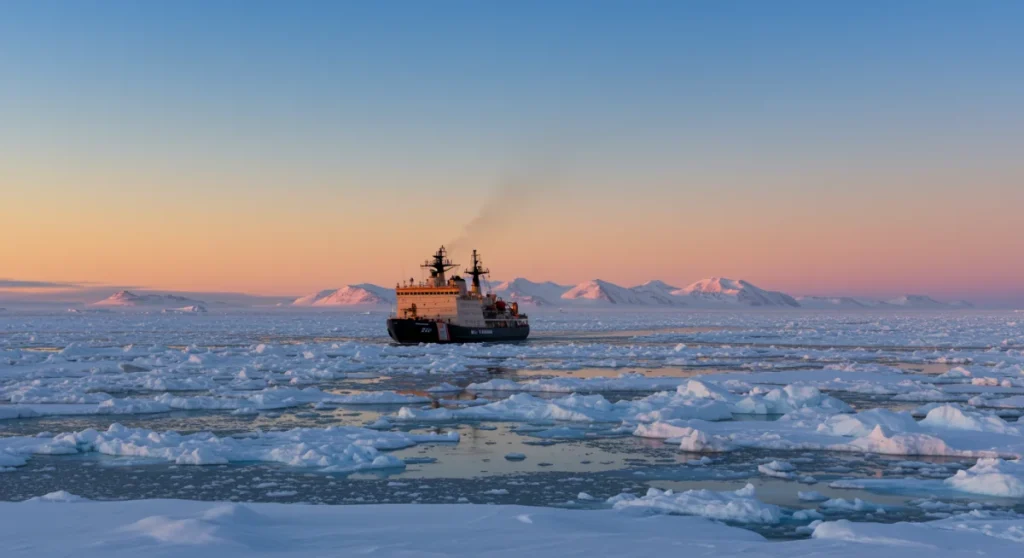
The Arctic’s rapidly changing environment necessitates a sharpened US foreign policy, focusing on security, economic interests, environmental stewardship, and international diplomacy to safeguard national interests by January 2025.
The Arctic, once a remote frontier, is rapidly transforming into a pivotal arena for global geopolitics. Its melting ice caps are not merely an environmental concern; they are opening new shipping lanes, exposing vast natural resources, and reshaping strategic military considerations. Understanding the Arctic’s rising importance: 4 geopolitical imperatives for US policy by January 2025 is crucial for safeguarding American interests and maintaining regional stability.
Understanding the Shifting Arctic Landscape
The Arctic is undergoing profound changes, driven primarily by climate change. This environmental shift has direct and significant geopolitical implications, creating both challenges and opportunities for nations with Arctic interests, particularly the United States. The region’s accessibility is increasing, leading to heightened competition and a need for clear strategic foresight.
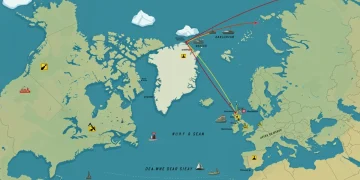
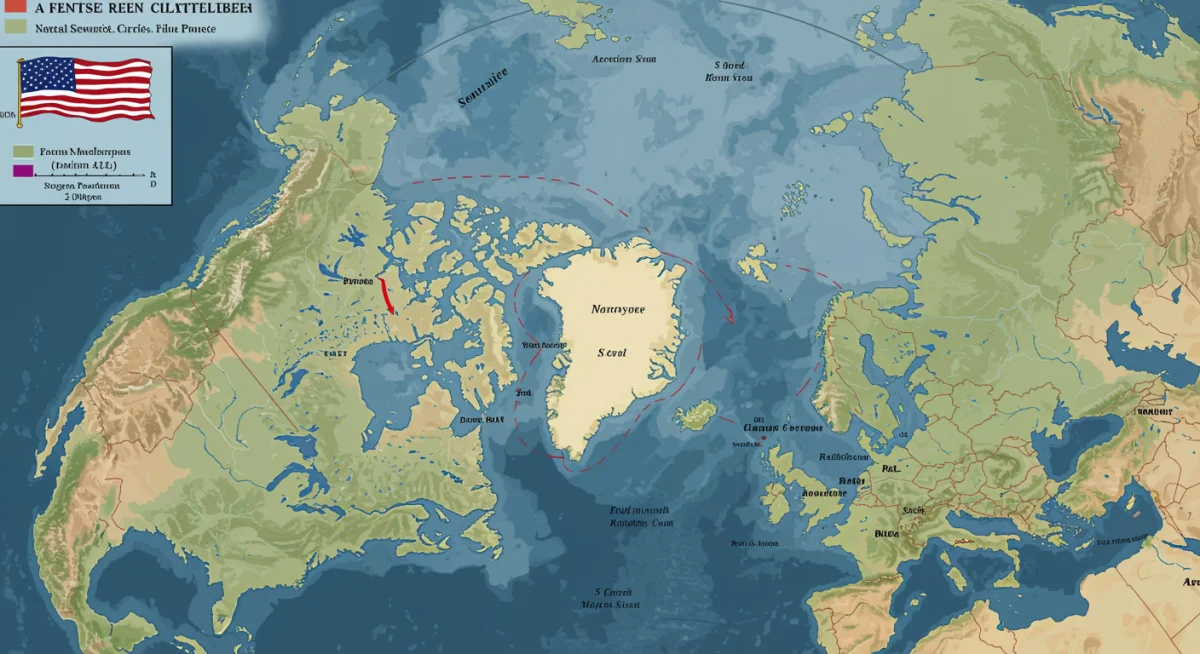
As the ice recedes, new maritime routes, such as the Northern Sea Route and the Northwest Passage, become more viable for commercial shipping, significantly reducing transit times between continents. This creates economic incentives but also raises complex questions about sovereignty, navigation rights, and environmental protection. The US must engage actively in these discussions to ensure its voice is heard and its interests are protected.
Economic Opportunities and Resource Extraction
The Arctic is believed to hold substantial untapped reserves of oil, natural gas, and rare earth minerals. The allure of these resources is a major driver of increased activity in the region, attracting nations eager to secure future energy and raw material supplies. For the United States, carefully balancing economic opportunities with environmental responsibilities is a delicate act.
- Energy Reserves: Significant oil and gas deposits are estimated to be beneath the Arctic seabed, driving exploration interest.
- Critical Minerals: The region may contain essential rare earth elements vital for modern technology and defense.
- Fisheries: New fishing grounds could emerge as ice retreats, necessitating international management agreements.
- Shipping Lanes: Reduced transit times offer economic benefits but require robust infrastructure and search and rescue capabilities.
The economic potential of the Arctic is undeniable, yet its exploitation must be approached with caution. Sustainable development practices and adherence to international environmental standards are paramount to prevent irreversible damage to this fragile ecosystem. The US has a critical role in advocating for these principles.
The melting Arctic also affects indigenous communities, whose traditional ways of life are intimately connected to the environment. Any policy framework must consider their rights and ensure their participation in decisions affecting their ancestral lands and waters. Respecting their knowledge and fostering their resilience is an ethical and strategic imperative.
Imperative 1: Strengthening Arctic Security and Defense Posture
With increased accessibility and competition, the Arctic’s strategic importance for national security has escalated dramatically. Russia has significantly expanded its military presence, rebuilding Soviet-era bases and deploying advanced weaponry. China, while not an Arctic nation, has declared itself a ‘near-Arctic state’ and is increasing its research and economic activities, raising concerns about its long-term intentions. The US must respond decisively to these developments.
A robust defense posture in the Arctic is not about aggression but about deterrence and ensuring freedom of navigation and overflight. This involves upgrading military infrastructure, enhancing surveillance capabilities, and conducting regular exercises with allies. The US needs to project a credible presence to protect its sovereign territory and interests in the region.
Modernizing Military Infrastructure
Existing US military installations in Alaska and other Arctic-adjacent areas require significant investment. This includes improving airfields, ports, and communication networks to support sustained operations in extreme conditions. Modernizing these facilities is essential for rapid response and logistical support.
- Icebreaker Fleet: Investing in a fully capable icebreaker fleet is crucial for year-round access and projection of power.
- Domain Awareness: Enhancing radar and satellite surveillance to monitor activity across the vast Arctic expanse.
- Personnel Training: Specialized training for military personnel to operate effectively in cold weather environments.
The US must also prioritize interoperability with its Arctic allies, such as Canada, Denmark (Greenland), and Norway. Joint exercises and intelligence sharing are vital for a coordinated defense strategy. This collective security approach strengthens regional stability and reinforces a united front against potential adversaries.
Maintaining a strong and visible presence in the Arctic signals commitment and capability. This proactive stance helps deter destabilizing actions and ensures that the US can effectively respond to any contingencies, from search and rescue operations to defense against hostile threats.
Imperative 2: Securing Economic and Resource Interests
The economic frontier of the Arctic presents both immense potential and significant challenges. As new trade routes emerge and vast natural resources become more accessible, the United States must strategically position itself to benefit from these developments while upholding responsible stewardship. By January 2025, a clear economic strategy is vital to leverage these opportunities for national prosperity.
This imperative extends beyond resource extraction to include the development of critical infrastructure, fostering innovation in Arctic technologies, and ensuring fair access to new shipping lanes. The economic benefits must be balanced with the need to protect the fragile Arctic environment and respect the rights of indigenous communities.
Developing Sustainable Resource Management
While the Arctic holds significant hydrocarbon and mineral deposits, any extraction activities must adhere to the highest environmental standards. The US should lead in developing and promoting sustainable practices that minimize ecological impact and ensure long-term viability.
- Responsible Energy Exploration: Implementing strict regulations for oil and gas drilling to prevent spills and protect ecosystems.
- Mineral Extraction Guidelines: Establishing best practices for mining operations, including reclamation and waste management.
- Fisheries Management: Participating in international agreements to sustainably manage newly accessible fish stocks.
Beyond traditional resources, the US should also explore opportunities in renewable energy, such as wind and geothermal power, which could be harnessed in certain Arctic regions. Investing in green technologies not only aligns with climate goals but also creates new economic sectors and jobs.
Furthermore, the US must ensure that American businesses are competitive in the developing Arctic economy. This requires fostering innovation, providing support for Arctic-specific research and development, and creating an investment climate that encourages private sector engagement in a responsible manner. Protecting intellectual property and promoting fair trade practices are also key components of this strategy.
Imperative 3: Enhancing Environmental Stewardship and Research
The Arctic is warming at a rate two to three times faster than the global average, leading to unprecedented changes in its ecosystems. The melting ice contributes to global sea-level rise, impacts weather patterns worldwide, and threatens unique biodiversity. For the United States, environmental stewardship in the Arctic is not just an ethical obligation but a critical component of national and global security. By January 2025, the US must solidify its role as a leader in Arctic environmental protection and scientific research.
Understanding the complex changes occurring in the Arctic requires sustained and collaborative scientific inquiry. This imperative involves investing in research, monitoring environmental shifts, and developing innovative solutions to mitigate the impacts of climate change in the region. Active participation in international scientific forums is also crucial.
Investing in Climate Research and Monitoring
The US needs to significantly increase its investment in Arctic climate science. This includes funding for research vessels, remote sensing technologies, and land-based research stations. Comprehensive data collection is essential for accurate predictions and informed policy decisions.
- Ice Core Drills: Supporting projects to analyze historical climate data from ice cores.
- Oceanographic Studies: Funding research into ocean currents, salinity, and marine life changes.
- Permafrost Monitoring: Investigating the release of greenhouse gases from thawing permafrost.
Beyond research, the US must also lead by example in implementing policies that reduce its own carbon footprint, demonstrating a commitment to addressing the root causes of Arctic warming. Advocating for global emissions reductions through international agreements is equally important.
Protecting the Arctic’s unique biodiversity, including polar bears, seals, and various bird species, is another vital aspect of environmental stewardship. This involves establishing protected areas, regulating human activities, and combating illegal fishing and wildlife trafficking. The US can play a leading role in convening international efforts to safeguard these vulnerable populations.
Imperative 4: Fostering International Cooperation and Diplomacy
The Arctic is a shared region, and no single nation can effectively address its challenges or harness its opportunities alone. International cooperation and robust diplomatic engagement are indispensable for maintaining peace, stability, and sustainable development in the region. By January 2025, the United States must prioritize strengthening its alliances and fostering collaborative frameworks with other Arctic and non-Arctic states.
This imperative is about building trust, resolving disputes peacefully, and jointly addressing common concerns such as climate change, search and rescue, and scientific research. Multilateral institutions like the Arctic Council play a crucial role in this regard, despite current geopolitical tensions.
Reinvigorating the Arctic Council
The Arctic Council, as the primary intergovernmental forum for Arctic cooperation, has been impacted by recent geopolitical events. The US must work to reinvigorate its functions and ensure it remains a vital platform for dialogue and collaboration on non-security issues.
- Diplomatic Engagement: Actively participating in Arctic Council working groups and ministerial meetings.
- Consensus Building: Working with member states to find common ground on pressing Arctic issues.
- Indigenous Representation: Supporting the meaningful inclusion of indigenous peoples’ organizations in the Council’s work.
Beyond the Arctic Council, the US should also pursue bilateral and multilateral partnerships with key Arctic states, including Canada, Norway, Denmark, Iceland, and Finland. These relationships are critical for coordinating defense strategies, sharing scientific data, and collaborating on infrastructure projects.
Engaging with non-Arctic states that have significant interests in the region, such as China and South Korea, is also important. While maintaining vigilance regarding their intentions, diplomatic channels can ensure adherence to international norms and prevent unilateral actions that could destabilize the region. Transparency and adherence to international law are key principles to uphold.
Navigating Future Challenges and Opportunities
The rapid changes in the Arctic present a complex tapestry of challenges and opportunities that demand a comprehensive and proactive US policy. The melting ice opens new economic avenues but simultaneously intensifies geopolitical competition and exacerbates environmental vulnerabilities. Effectively navigating this evolving landscape requires a balanced approach, integrating security concerns with economic aspirations and environmental stewardship.
Looking towards January 2025, the consolidation of these four geopolitical imperatives will be crucial for the United States. It’s not merely about reacting to current events, but about shaping the future trajectory of the Arctic in a way that aligns with American values and strategic interests. This involves sustained investment, diplomatic prowess, and a deep understanding of the region’s unique dynamics.
Long-Term Strategic Planning
Beyond immediate actions, the US needs a long-term strategic plan for the Arctic that transcends political cycles. This plan should outline clear objectives, allocate necessary resources, and establish metrics for success. A consistent and coherent policy is vital for projecting stability and reliability in the region.
- Interagency Coordination: Ensuring all relevant government agencies work in concert on Arctic policy.
- Public Awareness: Educating the American public about the strategic importance of the Arctic.
- Technological Innovation: Investing in research and development for technologies suited to Arctic conditions.
The future of the Arctic will undoubtedly be shaped by how nations collaborate—or compete—in this increasingly accessible and vital region. For the United States, leadership means not only protecting its own interests but also championing a rules-based international order that promotes peace, environmental protection, and sustainable development for all Arctic inhabitants.
The Path Forward for US Arctic Policy
The strategic importance of the Arctic will only continue to grow, making a clear and decisive US policy imperative. The four geopolitical imperatives—strengthening security, securing economic interests, enhancing environmental stewardship, and fostering international cooperation—form a foundational framework for proactive engagement. By January 2025, concerted action on these fronts will position the United States as a responsible and influential actor in the region.
Failure to act decisively risks ceding influence to competitors, undermining national security, and neglecting critical environmental responsibilities. The time for a robust and integrated Arctic strategy is now, ensuring that the US contributes to a stable, prosperous, and sustainably managed Arctic for generations to come. This requires a commitment to long-term vision and consistent diplomatic effort.
| Key Imperative | Brief Description |
|---|---|
| Strengthen Security | Enhance military presence and surveillance to deter threats and ensure regional stability. |
| Secure Economic Interests | Develop sustainable resource management and infrastructure for new trade routes and resources. |
| Enhance Environmental Stewardship | Invest in climate research, protect biodiversity, and advocate for global emissions reductions. |
| Foster International Cooperation | Reinvigorate the Arctic Council and strengthen partnerships with Arctic and non-Arctic nations. |
Frequently Asked Questions About Arctic Geopolitics
The Arctic’s geopolitical importance is surging due to climate change melting ice, opening new shipping routes, and revealing vast untapped natural resources. This increased accessibility attracts global powers, intensifying competition for strategic control, economic benefits, and scientific influence, demanding a proactive US policy response.
US security concerns include Russia’s military buildup, China’s growing presence, and ensuring freedom of navigation. The US aims to deter aggression, protect its territorial integrity, and maintain a credible defense posture through modernized infrastructure, enhanced surveillance, and joint exercises with allies.
Balancing economic interests with environmental protection requires stringent regulations for resource extraction, promoting sustainable development, and investing in green technologies. The US must lead in establishing and adhering to high environmental standards to prevent ecological damage while responsibly harnessing economic opportunities.
International cooperation is vital for Arctic stability and sustainable development. It involves reinvigorating forums like the Arctic Council, strengthening alliances with Arctic nations, and engaging non-Arctic states. Collaboration is crucial for addressing shared challenges like climate change, search and rescue, and scientific research peacefully.
These four geopolitical imperatives are critical for US policy by January 2025. This timeline emphasizes the urgency for proactive engagement and strategic planning. Rapid Arctic changes demand immediate and sustained attention to secure national interests and contribute to regional stability in the short and long term.
Conclusion
The Arctic’s transformation presents a defining moment for US foreign policy. By focusing on the four geopolitical imperatives—strengthening security, securing economic interests, enhancing environmental stewardship, and fostering international cooperation—the United States can ensure a stable, prosperous, and responsibly managed Arctic. Proactive and integrated strategies, implemented by January 2025, are essential for navigating this complex region and safeguarding both national and global interests for the foreseeable future.