US Geopolitical Actions: Strengthening Indo-Pacific Alliances
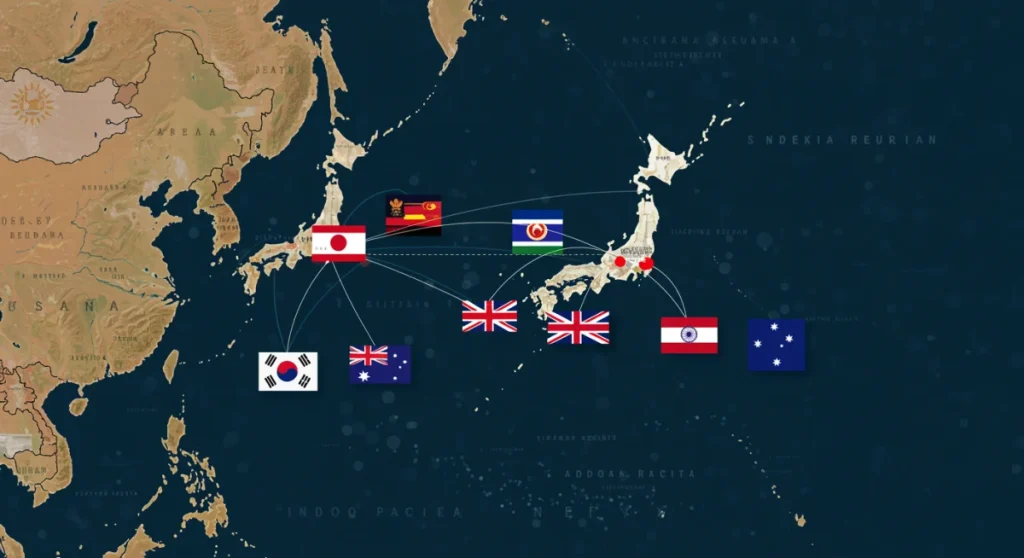
The United States will undertake six critical geopolitical actions over the next 12 months to significantly advance Indo-Pacific alliance strengthening, aiming to bolster regional security, economic resilience, and democratic values amidst evolving global dynamics.
The Indo-Pacific region stands as the epicenter of 21st-century geopolitics, a vibrant arena of economic opportunity and complex security challenges. The United States recognizes the paramount importance of this region, and as such, is poised to implement a series of strategic initiatives. These actions are designed to foster deeper partnerships and ensure stability, directly contributing to Indo-Pacific alliance strengthening over the coming 12 months. This article will delve into six pivotal actions the US plans to undertake, exploring their potential impact on regional dynamics and global affairs.
Enhancing Bilateral and Multilateral Security Partnerships
The foundation of regional stability often rests on robust security cooperation. The United States is committed to deepening its existing bilateral alliances while also expanding multilateral security frameworks across the Indo-Pacific. This involves not only joint military exercises but also intelligence sharing and coordinated responses to emerging threats. These efforts are critical for maintaining a free and open Indo-Pacific.
Strengthening security ties allows for a more cohesive front against potential adversaries and ensures a collective defense posture. The goal is to build resilience and deter aggression, safeguarding international norms and the sovereignty of nations in the region. This strategic approach encompasses a wide array of activities designed to synchronize military capabilities and operational readiness among allies.
Deepening Existing Alliances
The US will focus on modernizing and expanding its long-standing alliances with countries like Japan, South Korea, Australia, and the Philippines. These relationships are cornerstones of regional security, providing a robust network of defense capabilities.
- Joint military exercises to improve interoperability and readiness.
- Technology transfer and defense industrial base cooperation.
- Enhanced intelligence sharing mechanisms.
Expanding Multilateral Cooperation
Beyond bilateral ties, the US aims to invigorate multilateral platforms such as the Quad (Quadrilateral Security Dialogue) and AUKUS (Australia, United Kingdom, United States security pact). These groupings offer unique avenues for addressing shared security concerns and coordinating strategic initiatives.
The continued evolution of these partnerships demonstrates a flexible and adaptive approach to regional security. By leveraging diverse capabilities and perspectives, the US and its allies can more effectively respond to complex challenges, from maritime security to humanitarian assistance and disaster relief. This collaborative spirit is essential for sustained regional peace.
Boosting Economic Engagement and Trade Initiatives
Economic prosperity is inextricably linked to regional stability. The United States understands that a strong economic presence and robust trade relationships are vital components of its Indo-Pacific strategy. Over the next year, the US will prioritize initiatives that foster economic growth, promote fair trade practices, and strengthen supply chain resilience.
These economic actions are not merely about commerce; they are about building interdependence and shared prosperity that underpins long-term peace. By creating more opportunities for economic collaboration, the US aims to solidify its partnerships and provide viable alternatives to coercive economic practices. This comprehensive approach seeks to benefit all participating nations.
Indo-Pacific Economic Framework for Prosperity (IPEF)
The US will actively advance the IPEF, focusing on its four pillars: trade, supply chains, clean energy, and fair economy. This framework aims to establish high-standard commitments that promote sustainable and inclusive economic growth, moving beyond traditional free trade agreements.
- Facilitating resilient and secure supply chains.
- Promoting clean energy transitions and decarbonization.
- Combating corruption and enhancing tax transparency.
Strategic Infrastructure Investment
Investment in critical infrastructure projects across the region will be a key focus. This includes supporting initiatives that improve connectivity, digital infrastructure, and energy networks, often in partnership with regional allies and financial institutions.
These investments are designed to meet the significant infrastructure needs of the Indo-Pacific while adhering to high standards of transparency, sustainability, and quality. By participating in and supporting these projects, the US helps to ensure that economic development benefits all stakeholders and contributes to regional integration. This also serves to counter predatory lending practices that can undermine national sovereignty.
Strengthening Diplomatic Presence and Regional Dialogues
Diplomacy remains the cornerstone of international relations. The United States will intensify its diplomatic engagement across the Indo-Pacific, expanding its presence and actively participating in regional dialogues. This commitment underscores a recognition that effective communication and mutual understanding are crucial for navigating complex geopolitical landscapes.
By elevating diplomatic interactions, the US seeks to build trust, resolve disputes peacefully, and foster a shared vision for the region’s future. This proactive diplomatic stance ensures that US interests and values are clearly articulated while also listening to and respecting the perspectives of its partners. A robust diplomatic presence is essential for long-term strategic success.
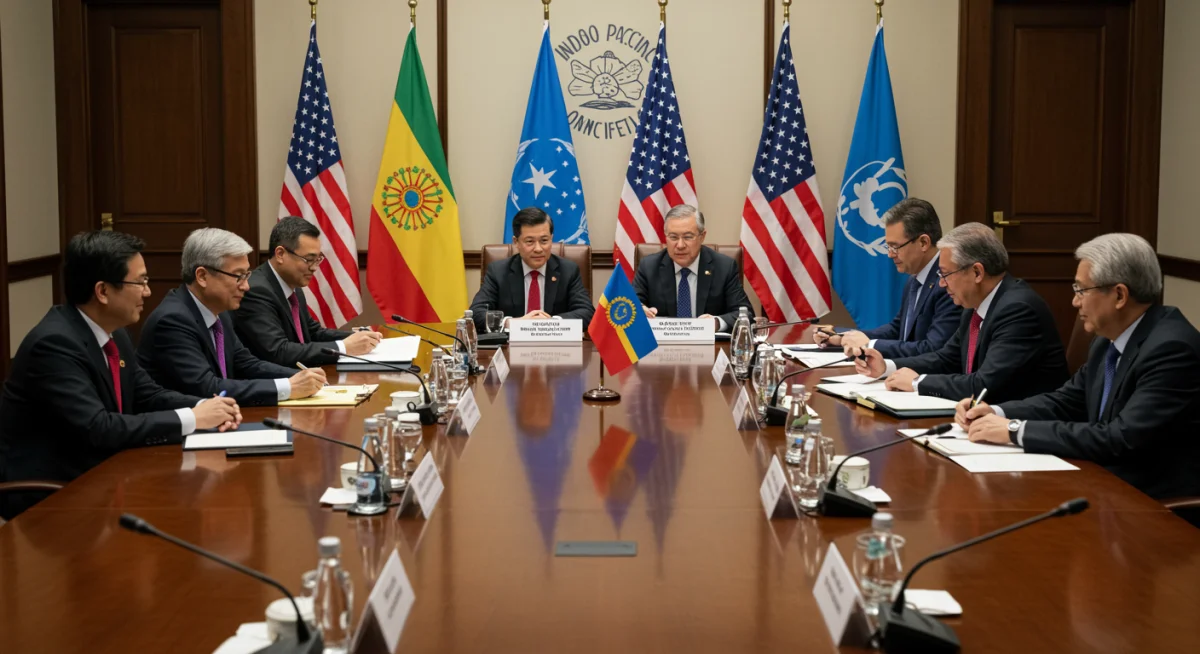
Expanding Diplomatic Footprint
The US plans to open new diplomatic missions and increase staffing at existing embassies and consulates throughout the Indo-Pacific. This expansion ensures a more direct and consistent engagement with a broader range of regional actors, from established powers to emerging island nations.
A larger diplomatic footprint allows for more nuanced understanding of local contexts and more effective implementation of US foreign policy objectives. It also signals a long-term commitment to the region, fostering stronger relationships at both governmental and societal levels. This sustained presence is vital for building enduring partnerships.
Leading and Participating in Regional Forums
The US will actively lead and participate in key regional forums such as ASEAN, APEC, and the East Asia Summit. These platforms provide invaluable opportunities for multilateral discussions, policy coordination, and addressing pressing regional and global issues.
- Promoting democratic governance and human rights.
- Addressing climate change and environmental sustainability.
- Facilitating dialogue on maritime security and freedom of navigation.
Investing in Climate Resilience and Environmental Cooperation
Climate change poses an existential threat to many nations in the Indo-Pacific, particularly vulnerable island states. The United States recognizes the urgency of this challenge and will significantly increase its investment in climate resilience and environmental cooperation initiatives. This focus is not only an environmental imperative but also a strategic one, as climate impacts can destabilize regions and create new security risks.
By partnering with Indo-Pacific nations on climate solutions, the US demonstrates its commitment to shared global challenges and builds goodwill. These collaborative efforts can range from developing renewable energy sources to implementing adaptation strategies for rising sea levels and extreme weather events. Addressing climate change is a core component of a holistic Indo-Pacific strategy.
Support for Renewable Energy Transitions
The US will provide funding, technology, and expertise to assist Indo-Pacific countries in transitioning to cleaner energy sources. This includes investments in solar, wind, and other renewable technologies, alongside efforts to improve energy efficiency and grid modernization.
These initiatives aim to reduce reliance on fossil fuels, enhance energy security, and contribute to global decarbonization efforts. By supporting sustainable energy development, the US helps its partners achieve their climate goals while simultaneously fostering economic opportunities in green industries. This collaborative approach benefits all involved.
Coastal Protection and Disaster Preparedness
Working with island nations and coastal communities, the US will support projects focused on coastal protection, ecosystem restoration, and enhanced disaster preparedness. This includes early warning systems, resilient infrastructure, and community-based adaptation programs.
- Funding for coral reef restoration and mangrove planting.
- Technical assistance for climate-resilient urban planning.
- Training and equipment for disaster response teams.
Promoting Digital Connectivity and Cybersecurity Standards
In an increasingly digital world, secure and open digital infrastructure is paramount. The United States will prioritize initiatives that promote digital connectivity across the Indo-Pacific while simultaneously advocating for robust cybersecurity standards. This dual focus ensures that the benefits of digital transformation are realized without compromising national security or individual privacy.
By fostering a secure digital environment, the US aims to facilitate economic growth, improve governance, and enhance social connectivity. These efforts are critical for countering malicious cyber activities and ensuring that the internet remains a force for good. Collaboration on digital issues is a vital aspect of modern alliance building.
Secure and Open 5G Networks
The US will work with allies to promote the development and adoption of secure and open 5G and future-generation telecommunications networks. This involves supporting trusted vendors and providing alternatives to high-risk equipment from authoritarian states.
Ensuring the integrity of digital infrastructure is a national security priority. By collaborating on secure network deployment, the US and its partners can protect critical data and maintain the free flow of information, which is essential for democratic societies and thriving economies. This proactive stance helps to safeguard against digital espionage and sabotage.
Cybersecurity Capacity Building
Programs aimed at enhancing cybersecurity capabilities in Indo-Pacific nations will be expanded. This includes training, technical assistance, and sharing best practices to help countries defend against cyber threats and build resilient digital ecosystems.
- Workshops on critical infrastructure protection.
- Joint cyber threat intelligence sharing platforms.
- Development of national cybersecurity strategies.
Investing in People-to-People Connections and Education
Beyond government-to-government relations, the United States recognizes the power of people-to-people connections in fostering long-term understanding and cooperation. Over the next year, there will be a renewed emphasis on educational exchanges, cultural programs, and initiatives that build bridges between the citizens of the US and Indo-Pacific nations.
These investments in human capital are crucial for cultivating future leaders and strengthening the social fabric that underpins alliances. By promoting mutual learning and cultural appreciation, the US aims to create a deeper, more resilient foundation for its partnerships in the region. These connections are often the most enduring form of diplomacy.
Expanding Educational Exchange Programs
The US will increase funding and opportunities for programs such as the Fulbright Scholarship and other student and professional exchange initiatives. These programs allow individuals from both sides of the Pacific to experience different cultures and educational systems firsthand.
Such exchanges not only enrich individual lives but also create a network of informed and globally-minded professionals who can contribute to stronger bilateral relations. They foster empathy and understanding, which are invaluable assets in navigating complex international challenges. This focus on education is a long-term investment in diplomacy.
Promoting Cultural Understanding and Public Diplomacy
Cultural events, arts initiatives, and public outreach programs will be expanded to showcase the diversity and vibrancy of both American and Indo-Pacific cultures. These efforts aim to foster greater appreciation and break down stereotypes.
- Support for sister city partnerships and cultural festivals.
- Digital diplomacy initiatives to engage younger generations.
- Exchange programs for artists, musicians, and innovators.
| Key Action Area | Brief Description |
|---|---|
| Security Partnerships | Deepening bilateral and multilateral defense cooperation to enhance regional stability. |
| Economic Engagement | Advancing IPEF and strategic infrastructure investments for shared prosperity. |
| Diplomatic Presence | Expanding diplomatic footprint and leading regional dialogues for mutual understanding. |
| Climate Cooperation | Investing in climate resilience and environmental initiatives to address shared challenges. |
Frequently Asked Questions
The primary goal is to foster a free, open, secure, and prosperous Indo-Pacific region. This involves strengthening alliances, promoting economic growth, upholding international law, and addressing shared challenges like climate change and cybersecurity, ensuring regional stability and preventing coercion.
IPEF strengthens alliances by creating shared economic prosperity and resilience. It focuses on high-standard commitments in trade, supply chains, clean energy, and fair economy, which deepens economic integration and reduces vulnerabilities among partner nations, fostering mutual trust.
The US is emphasizing both bilateral alliances with countries like Japan, South Korea, Australia, and the Philippines, and multilateral frameworks such as the Quad and AUKUS. These partnerships aim to enhance interoperability, intelligence sharing, and collective defense capabilities.
Climate resilience is a focus because climate change poses significant threats, particularly to vulnerable island nations, creating instability and security risks. Investing in climate solutions demonstrates shared commitment, builds goodwill, and addresses environmental imperatives vital for regional stability and sustainability.
People-to-people connections, through educational and cultural exchanges, foster long-term understanding, trust, and cooperation. They cultivate future leaders and strengthen the social fabric underpinning alliances, creating deeper, more resilient partnerships that complement governmental diplomacy and enhance mutual appreciation.
Conclusion
The next 12 months will be critical for the United States’ strategy in the Indo-Pacific. Through a multifaceted approach encompassing enhanced security cooperation, robust economic engagement, intensified diplomatic presence, significant climate investments, secure digital infrastructure, and strengthened people-to-people ties, the US aims to solidify its position as a reliable partner in the region. These six key geopolitical actions are designed to deepen existing alliances and forge new ones, ultimately contributing to a more stable, prosperous, and free Indo-Pacific. The sustained commitment to these initiatives underscores the understanding that regional stability is paramount not only for the nations within the Indo-Pacific but for global peace and economic well-being.