Latin America’s Evolving Geopolitics: 5 US Strategic Considerations for 2025
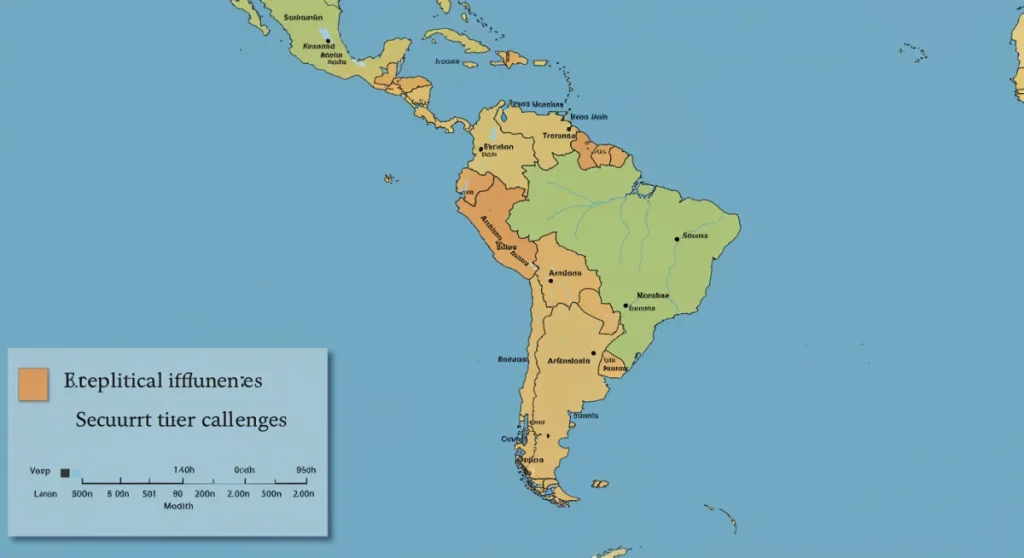
Latin America’s Evolving Geopolitics: 5 US Strategic Considerations for 2025 demands a nuanced US approach to address complex regional dynamics, including economic shifts, security concerns, and democratic challenges.
As 2025 approaches, understanding Latin America’s Evolving Geopolitics: 5 US Strategic Considerations for 2025 becomes paramount for policymakers and observers alike. The region, a vibrant tapestry of cultures and economies, is undergoing significant transformations that directly impact global stability and US interests. From shifting alliances to burgeoning economic partnerships, the dynamics at play necessitate a thoughtful and adaptive strategic framework from Washington. This article delves into the core challenges and opportunities that define Latin America’s geopolitical landscape and outlines key considerations for a robust US engagement.
The shifting economic landscape and regional integration
Latin America’s economic panorama is constantly in flux, marked by both periods of robust growth and significant challenges. The region’s diverse economies are increasingly looking beyond traditional partners, fostering new trade relationships and strengthening internal integration. This shift presents both opportunities and complexities for US strategic interests, requiring a re-evaluation of economic diplomacy.
Regional economic blocs, while sometimes fragmented, are striving for greater cohesion. Initiatives like Mercosur, the Pacific Alliance, and the Central American Integration System (SICA) continue to evolve, seeking to streamline trade, attract investment, and enhance collective bargaining power on the global stage. These efforts, though often slow, underscore a desire for self-sufficiency and diversified economic engagement.
Diversification of trade partners
For decades, the United States was the undisputed primary trade partner for many Latin American nations. However, the rise of China and other Asian economies has significantly altered this dynamic. Countries in the region are actively diversifying their export markets and sources of foreign direct investment, reducing their reliance on any single nation.
- China’s Growing Influence: Beijing’s Belt and Road Initiative and significant investments in infrastructure, mining, and energy have made it a critical economic player.
- European Union Engagement: The EU maintains strong historical and economic ties, focusing on sustainable development and trade agreements.
- Intra-regional Trade: Efforts to boost trade within Latin America are gaining traction, aiming to create more resilient internal markets.
This diversification means the US must compete more vigorously for economic influence, offering compelling alternatives and demonstrating the mutual benefits of partnership. A strategy that emphasizes shared values, technological cooperation, and equitable trade practices will be crucial.
Impact of commodity prices and global supply chains
Many Latin American economies remain heavily dependent on commodity exports, making them vulnerable to global price fluctuations. The volatility in markets for oil, minerals, and agricultural products can lead to economic instability, impacting social programs and political stability. Furthermore, disruptions in global supply chains, exacerbated by recent geopolitical events, have highlighted the need for greater resilience and localized production capabilities within the region.
The US must consider how these economic vulnerabilities can be mitigated through collaboration. Promoting sustainable economic development, supporting diversification into higher-value industries, and investing in resilient supply chain infrastructure are all critical components of a forward-looking strategy. Understanding these evolving economic realities is the first step in formulating effective US policy towards Latin America’s Evolving Geopolitics: 5 US Strategic Considerations for 2025.
Security challenges: transnational crime and migration
The security landscape in Latin America is profoundly shaped by the pervasive threat of transnational organized crime (TOC) and complex migration patterns. These issues are deeply interconnected, creating a web of challenges that extend beyond national borders and demand a coordinated international response. For the US, these are not merely regional problems but direct threats to its own security and stability.
Transnational criminal organizations, including drug cartels, human traffickers, and illegal mining operations, have expanded their reach and sophistication. They exploit weak state institutions, corruption, and economic disparities, undermining governance and fostering violence. Their activities generate immense illicit profits, which are often reinvested to further destabilize communities and challenge state authority.
The rise of transnational organized crime
TOC groups have evolved beyond traditional drug trafficking, diversifying into a range of illicit activities. This includes illegal mining, extortion, cybercrime, and the trafficking of arms and counterfeit goods. Their operational methods are increasingly sophisticated, leveraging technology and global networks to evade law enforcement.
- Drug Trafficking: Remains a core activity, with routes evolving and production methods adapting to interdiction efforts.
- Human Trafficking: Exploiting vulnerable populations, particularly migrants, for forced labor and sexual exploitation.
- Illegal Mining: A growing threat, causing immense environmental damage and fueling conflict in remote regions.
The US strategy must focus on strengthening regional law enforcement capabilities, enhancing intelligence sharing, and combating money laundering. Addressing the root causes of TOC, such as poverty and lack of opportunity, through economic development initiatives is also vital.
Complex migration flows
Migration from and through Latin America has become a defining humanitarian and geopolitical challenge. Driven by a combination of economic hardship, political instability, violence, and climate change, millions are on the move. This mass displacement strains resources in transit countries and at destination borders, including the US southern border.
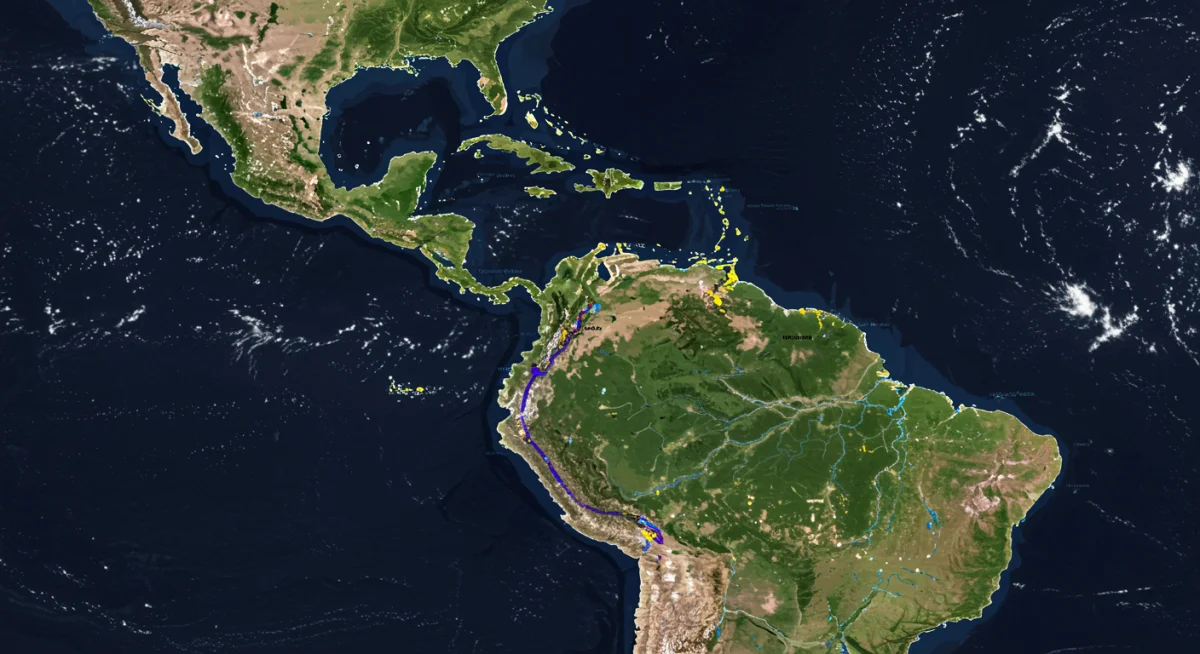
Understanding the push and pull factors of migration is critical. While economic opportunity in the US is a significant draw, internal factors like gang violence in Central America, political crises in Venezuela, and natural disasters across the region are powerful motivators for people to leave their homes. A comprehensive US approach must integrate humanitarian assistance, support for host communities, and efforts to promote stability and economic development in countries of origin.
Effectively addressing these security challenges requires a holistic approach that combines law enforcement, humanitarian aid, and long-term development strategies. These considerations are central to navigating Latin America’s Evolving Geopolitics: 5 US Strategic Considerations for 2025.
Democratic resilience and governance
The health of democratic institutions and the quality of governance are fundamental to Latin America’s stability and prosperity. While many nations in the region have made significant strides towards democracy, challenges persist, including political polarization, corruption, erosion of judicial independence, and rising authoritarian tendencies in some areas. The US has a vested interest in promoting and protecting democratic values and good governance across the hemisphere.
Recent years have seen a mixed record for democracy in Latin America. Some countries have experienced peaceful transitions of power and strengthened civil societies, while others have witnessed democratic backsliding, with leaders consolidating power, undermining checks and balances, and suppressing dissent. This divergence creates a complex landscape for external engagement.
Threats to democratic institutions
Democratic institutions in Latin America face multiple pressures. Political polarization often leads to gridlock and an inability to address pressing social and economic issues. Corruption remains a deeply entrenched problem, eroding public trust in government and diverting resources away from essential services. Furthermore, the spread of disinformation and foreign interference can exacerbate these issues, making it harder for citizens to make informed decisions.
- Erosion of Judicial Independence: Political interference in judicial systems undermines the rule of law and accountability.
- Authoritarian Tendencies: Some leaders seek to extend term limits, weaken legislative bodies, and suppress opposition voices.
- Civil Society Space: Restrictions on freedom of expression, assembly, and the activities of non-governmental organizations are concerning trends.
The US must actively support democratic institutions through various channels, including aid for electoral transparency, programs to strengthen independent media, and assistance for civil society organizations. Promoting human rights and accountability for abuses are also essential components of this strategy.
Combating corruption and promoting transparency
Corruption is a corrosive force that hinders economic development, fuels inequality, and undermines public confidence in government. It can also create fertile ground for organized crime and illicit financial flows. US efforts to combat corruption in Latin America are crucial for fostering stable, legitimate partners.
This involves supporting anti-corruption initiatives, promoting transparency in government procurement and financial dealings, and collaborating on international efforts to track and recover stolen assets. Encouraging judicial reform and providing technical assistance to build stronger, more independent legal systems are also vital. A robust focus on democratic resilience and good governance is indispensable for a comprehensive US approach to Latin America’s Evolving Geopolitics: 5 US Strategic Considerations for 2025.
Great power competition and external influences
Latin America is increasingly a theater for great power competition, with external actors like China and Russia expanding their influence in ways that challenge traditional US dominance. This competition is not always overt but manifests through economic partnerships, military cooperation, and diplomatic engagement. Understanding and responding to these external influences is a critical strategic consideration for the United States.
Beijing’s presence in the region has grown exponentially over the last two decades, driven by a demand for raw materials, new markets for its goods, and a desire to expand its geopolitical footprint. Russia, while a less dominant economic player, seeks to maintain strategic alliances and leverage anti-US sentiment where possible, particularly in military and energy sectors.
China’s expanding footprint
China’s engagement in Latin America spans various sectors, including trade, investment, infrastructure development, and technology. Its Belt and Road Initiative has funded numerous large-scale projects, from ports to power plants, providing much-needed infrastructure but also raising concerns about debt sustainability and environmental impact.
- Economic Ties: China is a top trading partner for several Latin American nations, exporting manufactured goods and importing commodities.
- Infrastructure Investment: Significant funding for roads, railways, ports, and energy projects across the region.
- Technological Influence: Huawei’s presence in 5G networks and surveillance technology raises security concerns for the US.
The US needs to offer a compelling alternative to Chinese engagement, one that emphasizes transparency, environmental sustainability, and fair labor practices. Highlighting the long-term benefits of democratic partnerships over transactional relationships is key.
Russia’s strategic partnerships
While Russia’s economic footprint is smaller than China’s, it maintains strategic partnerships, particularly with countries that have historically been critical of US foreign policy. These relationships often involve military sales, energy cooperation, and diplomatic support on international forums.
Russia’s presence is often characterized by arms sales, military training, and cooperation in the energy sector, especially with nations like Venezuela, Cuba, and Nicaragua. These engagements serve to project Russian power and create leverage against US interests in the hemisphere. The US must monitor these relationships carefully and develop counter-strategies that reinforce regional security cooperation and democratic resilience. Managing these external influences is a complex but essential aspect of navigating Latin America’s Evolving Geopolitics: 5 US Strategic Considerations for 2025.
Climate change and environmental security
Climate change poses an existential threat to Latin America, exacerbating existing vulnerabilities and creating new security challenges. The region is highly susceptible to the impacts of a warming planet, including extreme weather events, rising sea levels, water scarcity, and biodiversity loss. These environmental shifts have profound implications for human security, economic stability, and regional migration patterns, making climate resilience a critical US strategic consideration.
From the Amazon rainforest, a global carbon sink, to the vulnerable Caribbean islands, Latin America’s diverse ecosystems are under immense pressure. Deforestation, pollution, and unsustainable resource extraction further compound the effects of climate change, creating a feedback loop that threatens long-term stability.
Impact of extreme weather events
Latin America experiences a disproportionate share of climate-related disasters. Hurricanes in the Caribbean and Central America, prolonged droughts in the Andean region, and severe floods in South America have devastating consequences, displacing populations, destroying infrastructure, and disrupting livelihoods.
- Increased Frequency: More frequent and intense hurricanes, droughts, and floods are becoming the new normal.
- Agricultural Disruptions: Changes in rainfall patterns and temperatures threaten food security and rural economies.
- Resource Scarcity: Water scarcity in urban and rural areas can lead to social unrest and increased migration.
The US has a critical role to play in supporting climate adaptation and mitigation efforts. This includes providing humanitarian assistance during disasters, investing in resilient infrastructure, and sharing expertise in sustainable land management and renewable energy technologies. Collaboration on climate science and early warning systems can also save lives and reduce economic losses.
Biodiversity loss and environmental crime
Latin America is home to an extraordinary amount of the world’s biodiversity, yet it faces severe threats from deforestation, illegal mining, and wildlife trafficking. These environmental crimes are often linked to transnational organized crime, further complicating efforts to protect natural resources.
Protecting these vital ecosystems is not only an environmental imperative but also a security one. The loss of biodiversity can destabilize local communities, reduce ecosystem services, and undermine long-term economic prospects. US strategy must integrate environmental security as a core component, supporting conservation efforts, combating environmental crime, and promoting sustainable development practices. Addressing these environmental challenges is paramount for the long-term stability crucial to Latin America’s Evolving Geopolitics: 5 US Strategic Considerations for 2025.
Strategic partnerships and multilateral engagement
In a rapidly changing geopolitical landscape, the United States cannot effectively address the complexities of Latin America in isolation. Building and strengthening strategic partnerships, both bilateral and multilateral, is essential for advancing shared interests, promoting stability, and responding to regional challenges. A robust engagement with international and regional organizations can amplify US efforts and foster collective action.
The history of US engagement in Latin America has been varied, sometimes marked by interventionism and mistrust. Moving forward, a strategy built on mutual respect, shared responsibility, and genuine partnership will be more effective in securing long-term cooperation and achieving desired outcomes.
Revitalizing bilateral relationships
Strong bilateral ties with key Latin American nations are the bedrock of any successful regional strategy. This involves consistent diplomatic engagement, high-level visits, and a focus on issues of mutual concern, from trade and investment to security cooperation and democratic governance. Tailoring approaches to the specific needs and priorities of each country is crucial.
- Dialogue and Diplomacy: Regular and open communication channels are essential for building trust and addressing disagreements.
- Economic Cooperation: Promoting fair trade, investment, and development assistance tailored to local needs.
- Security Cooperation: Collaborating on counter-narcotics, counter-terrorism, and border security initiatives.
Investing in people-to-people exchanges, educational programs, and cultural initiatives can also help to strengthen understanding and build lasting relationships between the US and its Latin American neighbors.
Enhancing multilateral cooperation
Multilateral forums provide platforms for collective action and burden-sharing on regional and global issues. The Organization of American States (OAS), while sometimes criticized, remains an important body for addressing democratic challenges and promoting human rights. Other regional groups, such as the Community of Latin American and Caribbean States (CELAC) and sub-regional blocs, also offer avenues for engagement.
The US should actively participate in and support these organizations, using them to coordinate responses to migration crises, promote regional security, and advance shared economic goals. Engaging with multilateral development banks, like the Inter-American Development Bank (IDB), is also vital for financing key development projects across the region. A renewed commitment to multilateralism and strategic partnerships will be a cornerstone of US policy as it navigates Latin America’s Evolving Geopolitics: 5 US Strategic Considerations for 2025.
| Key Consideration | Brief Description |
|---|---|
| Economic Shifts | Diversification of trade partners and commodity price volatility influence regional stability. |
| Security Challenges | Transnational crime and complex migration patterns demand coordinated responses. |
| Democratic Resilience | Protecting institutions from polarization, corruption, and authoritarianism is vital. |
| Great Power Competition | China and Russia’s expanding influence requires nuanced US counter-strategies. |
Frequently Asked Questions about Latin America’s Geopolitics
Latin America’s stability directly impacts US national security, economic interests, and humanitarian concerns. Issues like migration, transnational crime, and economic partnerships in the region have direct implications for the United States, making close monitoring and engagement essential for shared prosperity and security.
China has become a significant economic partner, investing heavily in infrastructure, mining, and technology. This presence offers new development opportunities but also raises concerns about debt traps and geopolitical alignment, challenging traditional US dominance and diversifying regional ties.
Key security threats include transnational organized crime, drug trafficking, human smuggling, and gang violence. These issues often lead to political instability, corruption, and forced migration, impacting both regional nations and the US directly through border security challenges.
Climate change exacerbates existing vulnerabilities, causing extreme weather, resource scarcity, and food insecurity. These impacts can displace populations, fuel conflict over resources, and strain national governments, contributing to migration flows and requiring significant adaptation strategies and international cooperation.
Strategic partnerships, both bilateral and multilateral, are crucial for advancing shared interests and addressing complex challenges. Collaborating with regional governments and organizations like the OAS helps coordinate responses to security threats, promote economic development, and strengthen democratic institutions effectively.
Conclusion
Navigating Latin America’s Evolving Geopolitics: 5 US Strategic Considerations for 2025 requires a comprehensive, adaptable, and forward-looking approach from the United States. The region is not a monolithic entity but a dynamic mosaic of nations facing distinct yet interconnected challenges and opportunities. From the diversification of economic partnerships and the persistent threats of transnational crime and migration, to the resilience of democratic institutions, the growing influence of external powers, and the undeniable impact of climate change, each factor demands careful consideration and a tailored response. A strategy rooted in mutual respect, sustained diplomatic engagement, and collaborative problem-solving will be essential for fostering a stable, prosperous, and secure Western Hemisphere, aligning US interests with the aspirations of its Latin American neighbors.