US Climate Geopolitical Threat: Adaptation & Mitigation 2025
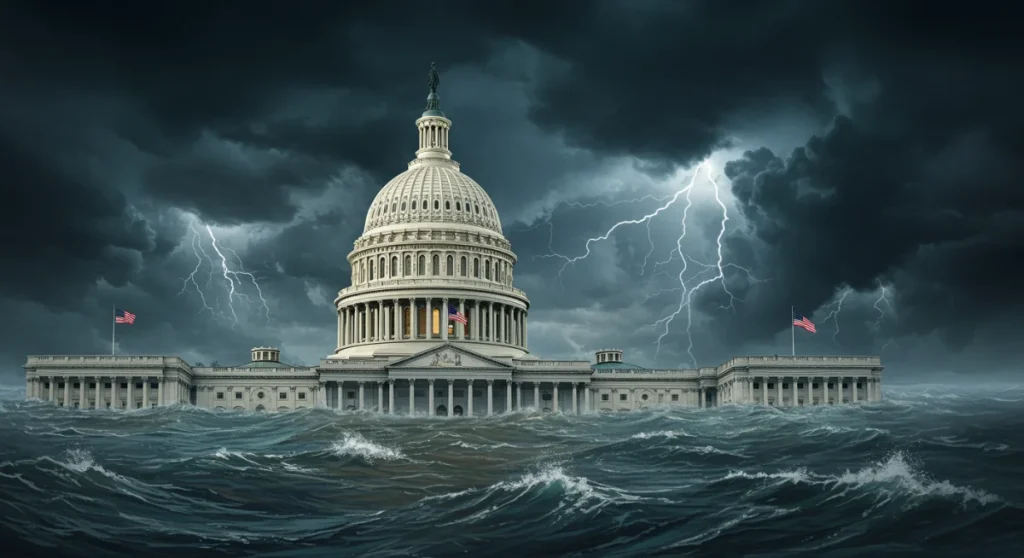
The United States is actively developing and implementing robust adaptation and mitigation strategies to address climate change, recognizing its escalating role as a significant geopolitical threat by 2025, impacting national security and international relations.
As the year 2025 approaches, the imperative to address Climate Change as a Geopolitical Threat: US Adaptation and Mitigation Strategies for 2025 has never been more critical. This isn’t merely an environmental concern; it’s a profound challenge to global stability, national security, and economic prosperity. Understanding the multifaceted nature of this threat is the first step toward crafting effective, forward-thinking solutions that safeguard the future.
Understanding Climate Change as a Geopolitical Imperative
Climate change is no longer a distant theoretical problem; its impacts are intensifying, reshaping the global landscape, and creating new geopolitical challenges. From extreme weather events to resource scarcity and mass displacement, these phenomena directly undermine national security and international stability. The United States, with its extensive global interests and responsibilities, is particularly attuned to these evolving risks.
The interconnectedness of nations means that climate-induced disruptions in one region can have ripple effects worldwide. Food shortages, water stress, and forced migration can exacerbate existing conflicts or ignite new ones, creating humanitarian crises that demand international intervention. Recognizing this, US policymakers are increasingly integrating climate considerations into their geopolitical strategies.
The Interplay of Climate and Security
The relationship between climate change and national security is complex and multi-layered. It encompasses direct threats to military infrastructure, challenges to operational readiness, and the potential for increased demand for military and humanitarian assistance abroad. The Department of Defense, for instance, has long acknowledged climate change as a threat multiplier, impacting everything from base resilience to mission effectiveness.
- Increased frequency and intensity of extreme weather events directly impact military bases and training areas globally.
- Rising sea levels threaten coastal installations and naval operations.
- Resource scarcity (water, food) can fuel social unrest and regional conflicts, requiring US intervention.
- Mass migration due to climate displacement can strain international alliances and aid resources.
Furthermore, climate change can undermine the stability of allied nations, creating vulnerabilities that adversaries may exploit. This necessitates a proactive approach, where climate resilience is viewed as an integral component of comprehensive national security planning.
US Adaptation Strategies: Building Resilience for 2025
Adaptation strategies are crucial for minimizing the unavoidable impacts of climate change that are already locked in. For the US, this involves a broad spectrum of initiatives aimed at protecting critical infrastructure, fostering community resilience, and safeguarding natural resources. By 2025, many of these strategies are expected to be well underway, integrating climate resilience into various sectors.
These efforts span federal, state, and local levels, often involving public-private partnerships to leverage diverse expertise and resources. The goal is not just to react to climate impacts but to anticipate them and build systems that can withstand future shocks, ensuring continuity and stability.
Protecting Critical Infrastructure
Key infrastructure, including energy grids, transportation networks, and water systems, is highly vulnerable to climate impacts. Adaptation strategies focus on making these systems more robust and resilient. This includes hardening power lines against storms, elevating coastal roads, and developing drought-resistant water management plans.
- Investing in resilient energy infrastructure, such as microgrids and renewable energy sources, to reduce vulnerability to outages.
- Upgrading transportation networks (roads, bridges, ports) to withstand extreme weather and sea-level rise.
- Implementing advanced water management techniques, including aquifer recharge and desalination, to combat water scarcity.
Beyond physical infrastructure, there’s a growing emphasis on digital infrastructure resilience, ensuring that communication and data systems can endure climate-related disruptions. This holistic approach recognizes that a failure in one area can cascade across others, leading to wider societal impacts.
Community-level adaptation is also vital, empowering local governments and citizens to develop tailored resilience plans. This often involves urban planning that incorporates green infrastructure, early warning systems for extreme weather, and public education campaigns to prepare communities for future climate challenges.
Mitigation Efforts: Reducing Emissions and International Cooperation
While adaptation helps manage current and future impacts, mitigation aims to reduce greenhouse gas emissions, thereby addressing the root cause of climate change. The US has committed to ambitious mitigation targets, and by 2025, significant progress is expected in transitioning to a clean energy economy and fostering international cooperation.
Achieving these targets requires a concerted effort across all sectors, from industrial processes to transportation and agriculture. It also necessitates strong international collaboration, as climate change is a global problem demanding global solutions. The US plays a pivotal role in leading these international efforts.
Transitioning to Clean Energy
A cornerstone of US mitigation strategy is the accelerated transition from fossil fuels to renewable energy sources. This involves substantial investments in solar, wind, and geothermal power, alongside advancements in energy storage technologies. Policies are being implemented to incentivize this transition, making clean energy more accessible and affordable.
- Government subsidies and tax credits for renewable energy projects and electric vehicles.
- Development of advanced battery storage solutions to ensure grid stability with intermittent renewables.
- Investment in carbon capture and storage technologies for hard-to-abate sectors.
Beyond electricity generation, efforts are focused on decarbonizing transportation through electric vehicles and sustainable aviation fuels, and reducing industrial emissions through efficiency improvements and process changes. These shifts not only reduce emissions but also stimulate economic growth and create new jobs in green industries.
International cooperation on mitigation is equally critical. The US is re-engaging with global climate agreements and actively participating in multilateral forums to share best practices, facilitate technology transfer, and mobilize climate finance. This collaborative approach recognizes that no single nation can solve climate change alone.
The Role of Technology and Innovation in US Climate Strategy
Technological innovation is at the heart of both adaptation and mitigation efforts. The US is investing heavily in research and development to create new tools and solutions that can accelerate the transition to a sustainable future. By 2025, many of these innovations are expected to move from laboratories to widespread deployment.
From advanced climate modeling to groundbreaking renewable energy technologies and sophisticated early warning systems, technology offers powerful levers for addressing the climate crisis. The US government, alongside private industry and academia, is fostering an ecosystem that encourages invention and rapid scaling of solutions.
Advancing Climate Science and Prediction
Improved climate modeling and predictive analytics are essential for understanding future climate scenarios and informing effective strategies. The US is leveraging supercomputing power and satellite data to refine climate projections, allowing for more precise risk assessments and better-targeted interventions.
- Development of high-resolution climate models to predict regional impacts with greater accuracy.
- Utilization of AI and machine learning for analyzing vast datasets and identifying climate trends.
- Deployment of advanced sensor networks for real-time monitoring of environmental changes.
These scientific advancements are critical for policymakers to make informed decisions about infrastructure investments, resource allocation, and disaster preparedness. They provide the foundational knowledge upon which robust adaptation and mitigation plans are built, enabling a more proactive stance against climate change.
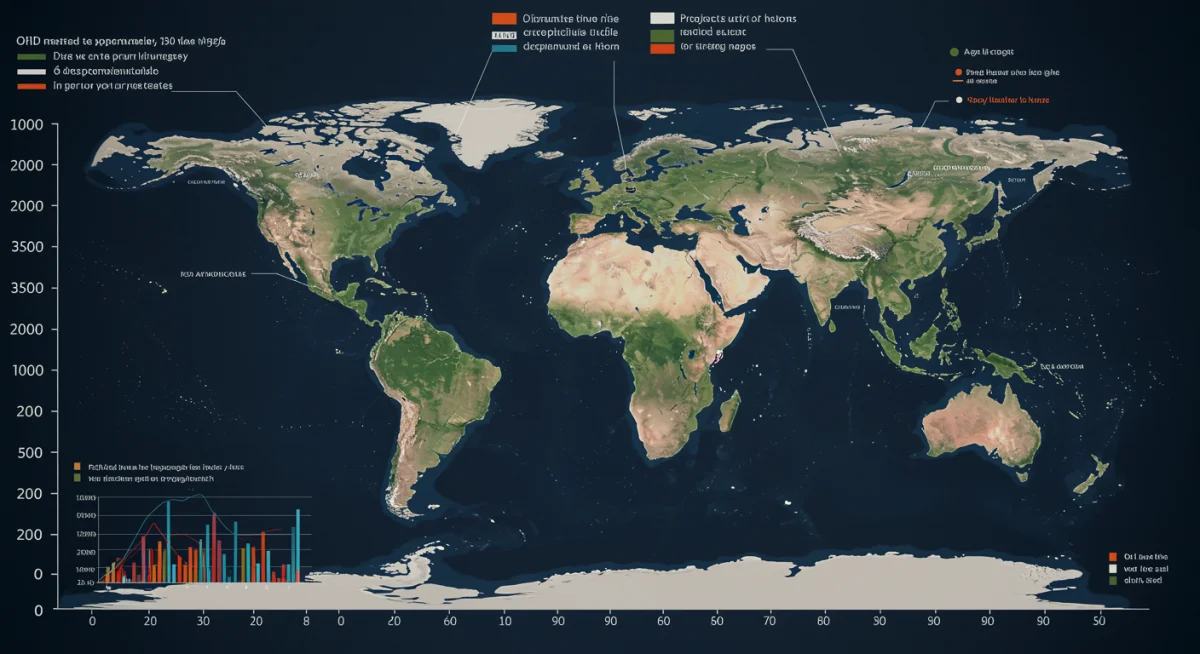
Innovation in clean energy technologies continues to push boundaries, driving down costs and increasing efficiency. Breakthroughs in battery technology, fusion energy research, and sustainable agriculture practices are just a few examples of how science is paving the way for a resilient and low-carbon future. The US aims to be at the forefront of these technological revolutions.
Addressing Geopolitical Implications of Climate Change by 2025
By 2025, the geopolitical landscape will increasingly reflect the impacts of climate change, demanding sophisticated diplomatic and strategic responses from the US. Issues such as climate migration, resource competition, and the stability of vulnerable states will be central to foreign policy debates. The US must navigate these complexities with foresight and strategic agility.
Climate change acts as a force multiplier, exacerbating existing tensions and creating new ones. The US’s role as a global leader requires it to not only manage its own climate risks but also to assist other nations in building their resilience and mitigating their emissions, thereby contributing to global stability.
Managing Climate-Induced Migration
One of the most pressing geopolitical challenges is the potential for large-scale climate-induced migration. As sea levels rise and extreme weather events displace populations, there will be increased pressure on borders and humanitarian systems. The US is developing frameworks to address this issue, both domestically and internationally.
- Developing international agreements and humanitarian aid mechanisms to support climate migrants.
- Strengthening border management and humanitarian assistance capabilities to respond to displacement.
- Investing in climate resilience in vulnerable regions to reduce the impetus for migration.
The movement of people due to climate change can strain host communities, alter demographics, and potentially lead to social unrest. Proactive diplomacy and aid are essential to manage these flows humanely and minimize their destabilizing effects. The US aims to lead in fostering international cooperation on this critical issue.
Resource competition, particularly over water and arable land, is another significant geopolitical concern. Climate change will intensify these struggles, especially in already water-stressed regions. US diplomacy will focus on promoting cooperative resource management and preventing conflicts driven by scarcity, underscoring the importance of sustainable practices.
Future Outlook: US Leadership and Global Climate Governance
Looking towards 2025 and beyond, US leadership in global climate governance will be paramount. The scale of the climate crisis demands a coordinated international response, and the US has a unique opportunity to shape this collective effort. This involves not only setting ambitious domestic targets but also inspiring and enabling other nations to follow suit.
Effective global climate governance requires robust institutions, shared scientific understanding, and equitable burden-sharing. The US commitment to multilateralism and its capacity for innovation position it well to drive progress on these fronts, transforming a geopolitical threat into an opportunity for collaboration.
Strengthening International Climate Alliances
The US is actively working to rebuild and strengthen international climate alliances, recognizing that collective action is the most effective way to tackle a global problem. This includes re-engaging with the Paris Agreement, participating in forums like the G7 and G20, and fostering bilateral partnerships focused on climate solutions.
- Promoting technology transfer and financial assistance to developing nations for climate action.
- Advocating for stronger global emissions reduction targets and accountability mechanisms.
- Building coalitions for climate research and innovation to accelerate breakthroughs.
By demonstrating a renewed commitment to climate action, the US can encourage other major emitters to raise their ambitions, creating a positive feedback loop that accelerates global decarbonization. This diplomatic leadership is crucial for achieving the collective goals necessary to avert the most catastrophic climate impacts.
Ultimately, the US approach to Climate Change as a Geopolitical Threat: US Adaptation and Mitigation Strategies for 2025 is about securing a more stable and prosperous future, both domestically and internationally. It is a strategic imperative that integrates environmental stewardship with national security and economic development, reflecting a comprehensive understanding of the challenges ahead.
| Key Aspect | Brief Description |
|---|---|
| Geopolitical Threat | Climate change intensifies global instability, resource conflicts, and mass migration, directly impacting US national security. |
| Adaptation Strategies | The US focuses on building resilience in infrastructure and communities to withstand unavoidable climate impacts. |
| Mitigation Efforts | Transitioning to clean energy and fostering international cooperation to reduce greenhouse gas emissions. |
| Technological Innovation | Investing in R&D for advanced climate modeling, renewable energy, and resilient infrastructure solutions. |
Frequently Asked Questions About US Climate Geopolitical Strategies
Climate change escalates geopolitical tensions by increasing resource scarcity, driving mass migration, and destabilizing vulnerable regions. These factors can exacerbate existing conflicts or create new ones, directly impacting international security and US foreign policy interests.
US adaptation strategies focus on enhancing infrastructure resilience, protecting coastal areas, and improving disaster preparedness. This includes hardening critical systems against extreme weather, implementing advanced water management, and supporting community-level resilience planning across the nation.
By 2025, the US is prioritizing a rapid transition to clean energy, including solar, wind, and electric vehicles. It also emphasizes carbon capture technologies and international collaboration to significantly reduce greenhouse gas emissions and meet ambitious climate targets.
Technology is crucial for both adaptation and mitigation. It supports advanced climate modeling for better predictions, develops innovative renewable energy sources, and creates resilient infrastructure materials. AI and big data analytics also enhance monitoring and response capabilities for climate impacts.
The US aims to reassert its leadership in global climate governance by strengthening international alliances, promoting ambitious emissions targets, and providing financial and technological assistance to developing nations. This collaborative approach is vital for achieving worldwide climate stability.
Conclusion
The intricate relationship between climate change and geopolitical stability presents an undeniable challenge for the United States. As 2025 approaches, the proactive implementation of robust adaptation and mitigation strategies is not merely an environmental obligation but a critical national security imperative. By fostering resilience at home, transitioning to a clean energy economy, leveraging technological innovation, and leading international cooperation, the US can effectively navigate the complex geopolitical landscape shaped by a changing climate. This integrated approach ensures not only environmental stewardship but also safeguards global stability and secures American interests in an increasingly interconnected world.