Diplomatic Intervention: Critical Windows in 4 Key Conflicts
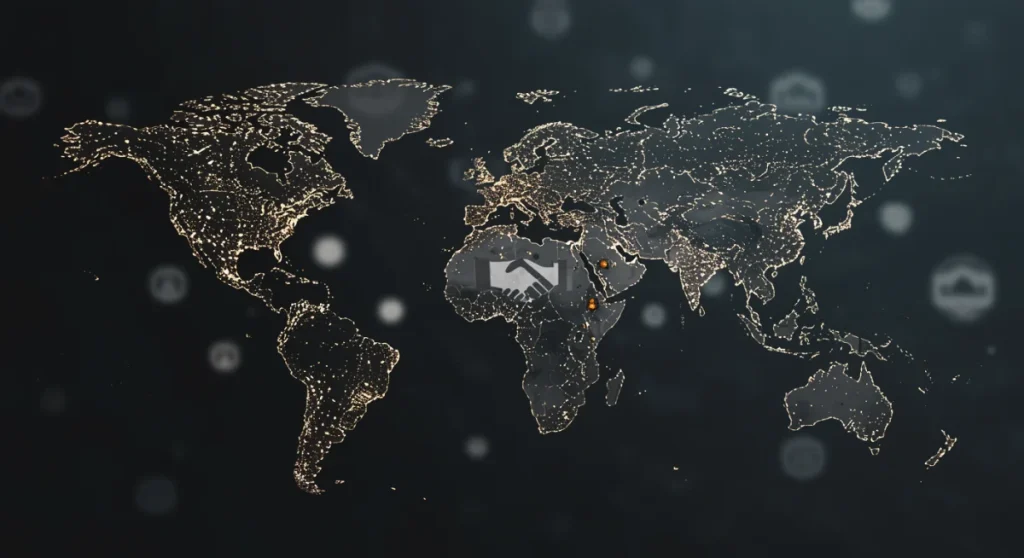
The next six months are paramount for diplomatic intervention in four key regional conflicts, offering crucial windows to prevent broader escalation and protect US allies through strategic engagement.
In an increasingly interconnected yet volatile world, the imperative for proactive foreign policy has never been clearer. The coming six months represent a crucial period, offering a time-sensitive opportunity for focused diplomatic intervention windows in four specific regional conflicts. Failure to act decisively during these critical junctures could lead to broader escalations, directly impacting the stability of US allies and global security. This article delves into these key flashpoints, examining the stakes, potential pathways for engagement, and the urgent need for strategic diplomatic action to avert wider crises.
Understanding the Urgency of Diplomatic Windows
Diplomatic windows are transient periods where specific conditions align, making successful intervention more probable. These conditions often include shifts in political will, battlefield stalemates, economic pressures, or the emergence of new leadership. Recognizing and seizing these moments is vital for conflict resolution, acting as a bulwark against further destabilization.
The concept of a ‘window’ implies a limited timeframe, after which opportunities may diminish or disappear entirely. In regional conflicts, such windows are particularly precarious, influenced by a multitude of internal and external factors. The global community, particularly the United States and its allies, has a vested interest in identifying and leveraging these moments to foster peace and stability.
Identifying the Tipping Points
Understanding what constitutes a diplomatic tipping point is crucial. It often involves a confluence of factors that make all parties more amenable to negotiation than usual. These can range from military exhaustion to severe economic strain, or even internal political pressures that force a re-evaluation of conflict strategies.
- Military Stalemate: When neither side can achieve a decisive victory, the costs of continued fighting often outweigh the perceived benefits, opening a door for talks.
- Economic Sanctions Impact: Sustained economic pressure can force belligerents to the negotiating table, seeking relief from financial burdens.
- Internal Political Shifts: Changes in leadership or domestic unrest can alter a party’s willingness to engage in dialogue.
- External Pressure: Coordinated international pressure from major powers can compel parties to consider diplomatic solutions.
The urgency stems from the fact that these conditions are rarely static. A window opened by a military stalemate can quickly close if one side perceives a new advantage, or if external support shifts. Therefore, rapid assessment and agile response are non-negotiable for effective diplomatic intervention.
In essence, identifying these windows requires a sophisticated understanding of each conflict’s dynamics, coupled with strong intelligence and a willingness to act swiftly. The next six months demand such vigilance and readiness from the international community.
The Sahel Region: Countering Instability and Extremism
The Sahel region of Africa continues to grapple with a complex web of challenges, including rampant extremism, political instability, and humanitarian crises. The recent surge in coups and the expansion of extremist groups like ISIS and Al-Qaeda affiliates pose a direct threat to regional stability and, by extension, to US allies in Europe and North Africa. The next six months are critical for consolidating diplomatic efforts to prevent a further slide into chaos.
The security vacuum created by political transitions has allowed extremist groups to gain ground, disrupting fragile governance structures and displacing millions. This instability has spillover effects, contributing to migration flows and increasing the risk of international terrorism. Diplomatic engagement must focus on strengthening governance, fostering economic development, and supporting regional security initiatives.
Challenges and Opportunities for Intervention
The challenges in the Sahel are multifaceted, ranging from weak state institutions to climate change impacts exacerbating resource scarcity. However, recent shifts in regional alliances and increased international awareness present new opportunities for focused intervention. A coordinated approach is essential to address the root causes of instability.
- Governance Support: Assisting transitional governments in establishing legitimate and effective governance structures, crucial for long-term stability.
- Economic Development: Implementing targeted development programs to create opportunities, reduce poverty, and counter the appeal of extremism.
- Security Sector Reform: Supporting local security forces through training and resources, while promoting human rights and accountability.
- Regional Cooperation: Encouraging greater collaboration among Sahelian states and their international partners to tackle cross-border threats effectively.
The window for intervention in the Sahel is marked by the precarious balance between state authority and insurgent control. Diplomatic efforts must be agile, adapting to the rapidly evolving political and security landscape. The goal is to stabilize the region, protect civilian populations, and prevent the further entrenchment of extremist ideologies that threaten global security.
Eastern Europe: De-escalating Tensions and Ensuring Sovereignty
Tensions in Eastern Europe remain acutely high, with ongoing conflicts and geopolitical maneuvers threatening the sovereignty of nations and the broader security architecture of the continent. The coming half-year is vital for diplomatic initiatives aimed at de-escalating conflicts, reinforcing international law, and supporting the territorial integrity of affected states. The implications for US allies are profound, demanding a resolute and unified diplomatic front.
The current geopolitical climate necessitates a delicate balance of deterrence and dialogue. While military support to allies is crucial, diplomatic channels must remain open and actively pursued to explore avenues for peaceful resolution and prevent unintended escalation. This involves engaging with all relevant parties, including those with opposing viewpoints, to find common ground for de-escalation.
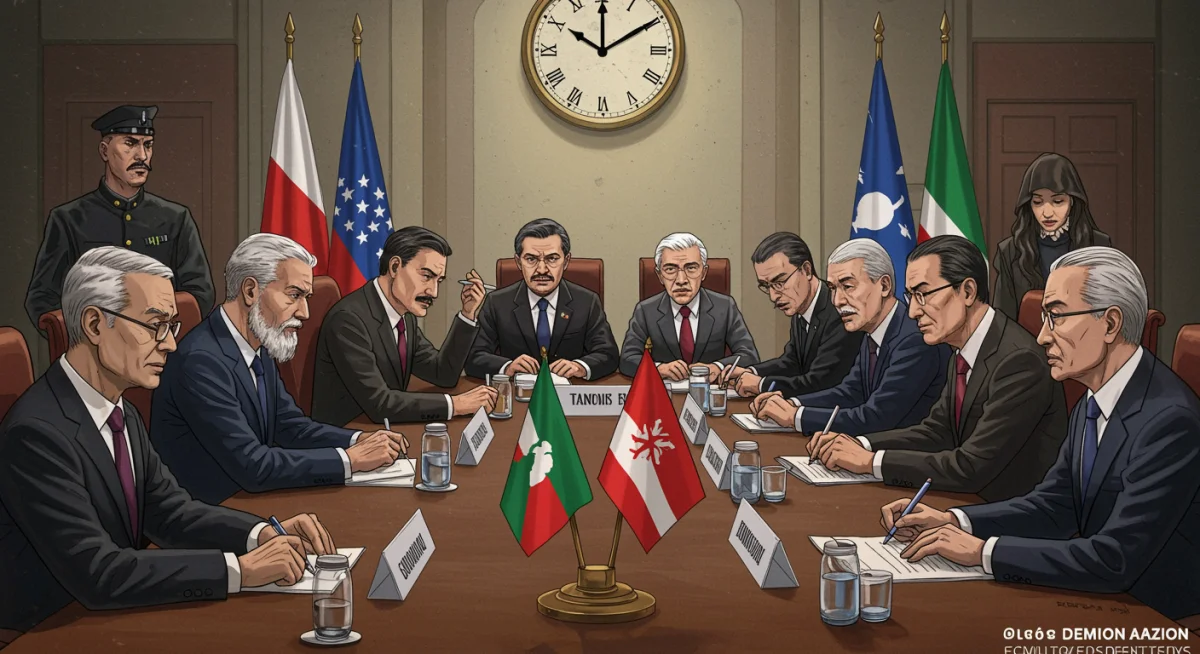
The window for diplomatic action is defined by the ongoing military activities and the potential for miscalculation. Swift and clear communication, coupled with credible diplomatic proposals, are paramount to navigating this perilous landscape.
Strategies for Effective De-escalation
Effective de-escalation in Eastern Europe requires a multi-pronged approach that combines robust security assurances with persistent diplomatic overtures. The aim is to reduce immediate tensions while laying the groundwork for long-term stability and conflict resolution.
- Dialogue with Adversaries: Maintaining communication channels with all parties, even those deemed hostile, to prevent misunderstandings and explore potential off-ramps.
- Security Guarantees: Reaffirming commitments to the security of US allies, providing a sense of stability and discouraging further aggression.
- International Mediation: Supporting and participating in multilateral efforts to mediate ceasefires, prisoner exchanges, and humanitarian corridors.
- Economic Incentives/Disincentives: Leveraging economic tools to encourage compliance with international norms and deter destabilizing actions.
The diplomatic window in Eastern Europe is narrow and fraught with risk. Success hinges on the ability of international actors to present a united front, articulate clear red lines, and offer viable pathways to peace that respect national sovereignty and international law. The next six months will test the resolve and ingenuity of global diplomacy.
The South China Sea: Navigating Maritime Disputes
The South China Sea remains a critical flashpoint, with competing territorial claims and increased military activity posing a significant risk of confrontation. The next six months are crucial for diplomatic efforts aimed at upholding international law, promoting freedom of navigation, and preventing accidental escalation that could draw in US allies in the Indo-Pacific region. The economic and strategic importance of these waterways cannot be overstated.
The region’s stability is vital for global trade and security. Any significant disruption here would have far-reaching consequences, affecting supply chains and potentially leading to broader military engagements. Diplomatic interventions must therefore focus on fostering dialogue, building trust, and establishing mechanisms for peaceful dispute resolution.
Promoting Stability and Rule of Law
Navigating the complex maritime disputes in the South China Sea requires a delicate balance of assertive diplomacy and multilateral engagement. The goal is to ensure that international law, particularly the UN Convention on the Law of the Sea (UNCLOS), serves as the framework for resolving disputes.
- Multilateral Dialogues: Engaging in forums like ASEAN to promote regional solutions and build consensus among claimant states.
- Freedom of Navigation Operations (FONOPs): Conducting operations to assert international rights and challenge excessive maritime claims, while avoiding provocation.
- Capacity Building: Supporting regional partners in enhancing their maritime domain awareness and enforcement capabilities.
- Code of Conduct Negotiations: Advocating for a binding and effective Code of Conduct in the South China Sea to manage interactions and prevent incidents.
The window for diplomatic intervention in the South China Sea is characterized by the ongoing militarization of features and the potential for miscalculation. Proactive diplomacy is essential to de-escalate tensions, reinforce international legal norms, and protect the interests of all stakeholders, especially US allies dependent on regional maritime security.
The Horn of Africa: Addressing Humanitarian Crises and Regional Rivalries
The Horn of Africa is a region perpetually on the brink, plagued by internal conflicts, severe humanitarian crises, and complex regional rivalries. The next six months present a critical period for diplomatic efforts to mitigate suffering, facilitate peace processes, and stabilize a region that is strategically vital for global shipping lanes and counter-terrorism efforts. The ongoing challenges threaten to destabilize neighboring states and create immense human suffering, directly impacting global security and US interests.
The convergence of drought, famine, and armed conflict has created one of the world’s most severe humanitarian emergencies. Diplomatic interventions must prioritize humanitarian access, support peacebuilding initiatives, and address the underlying causes of instability, including governance deficits and economic disparities. The window for effective action is narrowing as conditions on the ground continue to deteriorate, demanding immediate and coordinated international attention.
Pathways to Peace and Stability
Addressing the myriad challenges in the Horn of Africa requires a comprehensive and sustained diplomatic approach. This involves not only responding to immediate crises but also investing in long-term solutions that promote resilience and prevent future conflicts.
- Humanitarian Aid and Access: Ensuring unimpeded access for humanitarian organizations to deliver life-saving assistance to affected populations.
- Mediation and Peacebuilding: Actively supporting and facilitating peace talks between warring factions, and investing in local peacebuilding initiatives.
- Economic Development and Resilience: Implementing programs that address food insecurity, create economic opportunities, and build community resilience to climate shocks.
- Regional Diplomatic Engagement: Encouraging dialogue and cooperation among Horn of Africa nations to resolve disputes and address shared challenges.
The diplomatic window in the Horn of Africa is driven by the urgent humanitarian needs and the potential for regional conflict contagion. Effective intervention during the next six months can prevent further loss of life, mitigate displacement, and lay the groundwork for a more stable and prosperous future for the region.
Leveraging Multilateral Institutions and Bilateral Engagements
Effective diplomatic intervention in these critical windows necessitates a robust and coordinated approach, leveraging both multilateral institutions and targeted bilateral engagements. No single nation can unilaterally resolve these complex regional conflicts; collective action amplifies impact and legitimacy. The next six months call for renewed commitment to international cooperation, recognizing the interconnectedness of global security challenges.
Multilateral bodies like the United Nations, regional organizations such as the African Union and ASEAN, and various international forums provide essential platforms for dialogue, consensus-building, and resource mobilization. These institutions offer a framework for coordinated responses, ensuring that diplomatic efforts are aligned and mutually reinforcing. Bilateral engagements, on the other hand, allow for tailored approaches, addressing specific concerns and fostering direct communication between key actors.
Synergistic Diplomatic Approaches
The most successful diplomatic interventions often blend the strengths of multilateral and bilateral efforts. Multilateral institutions can provide the broad legitimacy and framework, while bilateral channels can facilitate sensitive negotiations and address specific grievances.
- UN Security Council Action: Using the UNSC’s mandate to authorize peacekeeping missions, impose sanctions, and endorse peace agreements.
- Regional Summits: Organizing high-level meetings through regional bodies to foster dialogue and commitment among local leaders.
- Special Envoys: Appointing experienced diplomats as special envoys to specific conflict zones, providing dedicated and sustained mediation efforts.
- Track Two Diplomacy: Supporting informal dialogues involving non-state actors, academics, and civil society to build trust and explore creative solutions.
The strategic deployment of these tools, both multilateral and bilateral, within the next six months will be pivotal. The goal is to create a comprehensive diplomatic ecosystem that can effectively respond to the nuances of each conflict, maximizing the chances of successful intervention and preventing broader escalation that could impact US allies.
The Role of US Allies in Supporting Diplomatic Initiatives
The success of any diplomatic intervention hinges significantly on the unified support and active participation of US allies. These alliances are not merely military pacts but also crucial platforms for diplomatic coordination, burden-sharing, and collective influence. In the coming six months, the collective strength and resolve of these partnerships will be tested across the four identified regional conflicts. Their contributions, whether through financial aid, humanitarian assistance, intelligence sharing, or direct diplomatic engagement, are indispensable.
US allies bring diverse perspectives, regional expertise, and unique diplomatic relationships to the table. This collective capacity enhances the credibility and effectiveness of intervention efforts. By working in concert, the US and its allies can present a united front, amplifying diplomatic pressure on belligerents and demonstrating a shared commitment to international peace and security. This collaboration is not just about shared values, but about shared strategic interests in preventing wider destabilization.
Strengthening Allied Diplomatic Cohesion
To maximize impact, US allies must enhance their diplomatic cohesion, ensuring that their actions are synchronized and their messages are consistent. This requires continuous consultation, strategic planning, and a willingness to adapt to evolving circumstances.
- Coordinated Sanctions: Implementing synchronized economic sanctions to maximize pressure on actors undermining peace.
- Joint Humanitarian Responses: Pooling resources and coordinating logistics for more effective delivery of humanitarian aid.
- Shared Intelligence: Exchanging critical intelligence to better understand conflict dynamics and anticipate potential escalations.
- Unified Public Diplomacy: Presenting a common narrative and clear expectations to the international community and conflict parties.
The coming six months offer a critical window for US allies to demonstrate the enduring strength and strategic value of their partnerships. By actively supporting and participating in diplomatic initiatives across the Sahel, Eastern Europe, the South China Sea, and the Horn of Africa, they can collectively safeguard global stability and protect their shared interests against the specter of broader conflict.
| Key Conflict Zone | Critical Diplomatic Focus |
|---|---|
| Sahel Region | Countering extremism, strengthening governance, fostering economic development. |
| Eastern Europe | De-escalating tensions, ensuring sovereignty, reinforcing international law. |
| South China Sea | Upholding international law, promoting freedom of navigation, preventing escalation. |
| Horn of Africa | Addressing humanitarian crises, facilitating peace processes, stabilizing the region. |
Frequently Asked Questions About Diplomatic Intervention
The next six months are critical because specific geopolitical shifts, military stalemates, or humanitarian escalations create temporary opportunities for effective dialogue. Delaying action beyond this period could lead to entrenched positions, increased suffering, and a higher risk of broader regional or international conflict, making interventions less effective or even impossible.
A diplomatic window is a limited period when conditions align to make conflict resolution more likely. These conditions can include mutual exhaustion from conflict, significant economic pressure, shifts in political leadership, or a clear international consensus for peace. Recognizing these fleeting opportunities is crucial for successful intervention.
Diplomatic intervention prevents broader escalation by addressing conflicts at their source before they spill over. By de-escalating tensions, mediating peace, and stabilizing volatile regions, it reduces the likelihood of US allies being drawn into direct conflict, protecting their security, economic interests, and regional stability, which are often interconnected with global peace.
Multilateral institutions like the UN or regional bodies provide a legitimate framework for collective action, enabling broader consensus, resource mobilization, and coordinated diplomatic pressure. They offer platforms for dialogue among diverse parties and can deploy peacekeeping forces or humanitarian aid, amplifying the impact of individual nations’ efforts and ensuring a more unified approach.
Major challenges include a lack of political will from belligerents, external interference complicating dynamics, deep-seated historical grievances, and the rapid evolution of conflict situations. Overcoming these requires sustained commitment, innovative diplomatic strategies, and the ability to adapt quickly to changing circumstances on the ground, often within tight timeframes.
Conclusion
The forthcoming six months are undeniably pivotal for international diplomacy. The four regional conflicts examined – the Sahel, Eastern Europe, the South China Sea, and the Horn of Africa – each present unique challenges but also critical, time-sensitive windows for intervention. The imperative to act decisively, leveraging coordinated efforts from the United States and its allies through both multilateral and bilateral channels, cannot be overstated. Proactive engagement during these crucial periods is not merely an act of goodwill, but a strategic necessity to prevent broader escalation, mitigate humanitarian crises, and safeguard global stability and the vital interests of US allies. The future of these regions, and indeed aspects of international security, hangs in the balance, awaiting concerted diplomatic action.