Demystifying Digital Twins: 4-Step US Industrial Guide
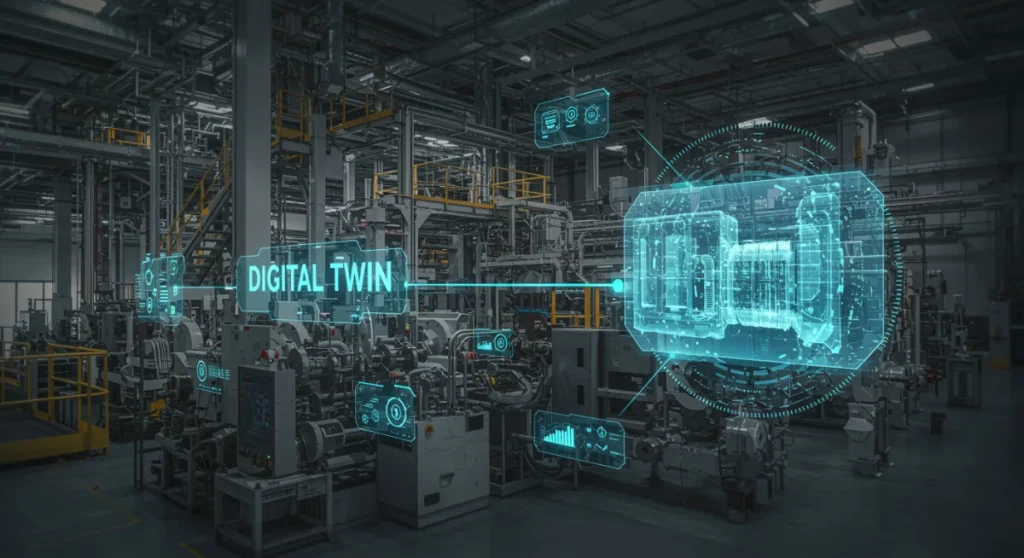
Digital twin technology offers US industrial sectors unparalleled opportunities for optimizing operations and predicting outcomes, providing a virtual replica to simulate, analyze, and improve real-world systems.
The industrial landscape in the United States is rapidly evolving, driven by the imperative for greater efficiency, sustainability, and resilience. In this dynamic environment,
digital twin implementation emerges as a transformative technology, offering a virtual replica of physical assets, processes, or systems. This guide will demystify digital twins and provide a clear, actionable 4-step framework for their successful adoption across US industrial sectors.
Understanding the Digital Twin Revolution in US Industry
Digital twins are far more than just 3D models; they are dynamic, virtual representations continuously updated with real-time data from their physical counterparts. This constant data flow allows for unparalleled insights, predictive analytics, and simulation capabilities, fundamentally changing how US industrial sectors approach operations, maintenance, and strategic planning.
The adoption of digital twin technology is gaining significant traction across various industrial verticals, from manufacturing and energy to aerospace and logistics. These sectors recognize the immense potential for reducing downtime, optimizing resource allocation, and fostering innovation through a digital sandbox environment.
What Defines a Digital Twin?
A true digital twin encompasses several critical components that differentiate it from mere simulations or models. Understanding these core attributes is essential for any successful implementation strategy.
- Real-time Data Integration: Continuous flow of data from sensors, IoT devices, and operational systems to the virtual model.
- Bidirectional Information Flow: Not only does data flow from the physical to the digital, but insights and commands can also flow back, influencing physical operations.
- Predictive Analytics: Leveraging historical and real-time data to forecast future performance, potential failures, and optimal operational parameters.
- Simulation Capabilities: The ability to test scenarios, evaluate changes, and train personnel in a risk-free virtual environment.
In essence, a digital twin creates a living, breathing digital counterpart that mirrors its physical twin’s lifecycle, from design and construction to operation and eventual decommissioning. This comprehensive view enables proactive decision-making and continuous improvement.
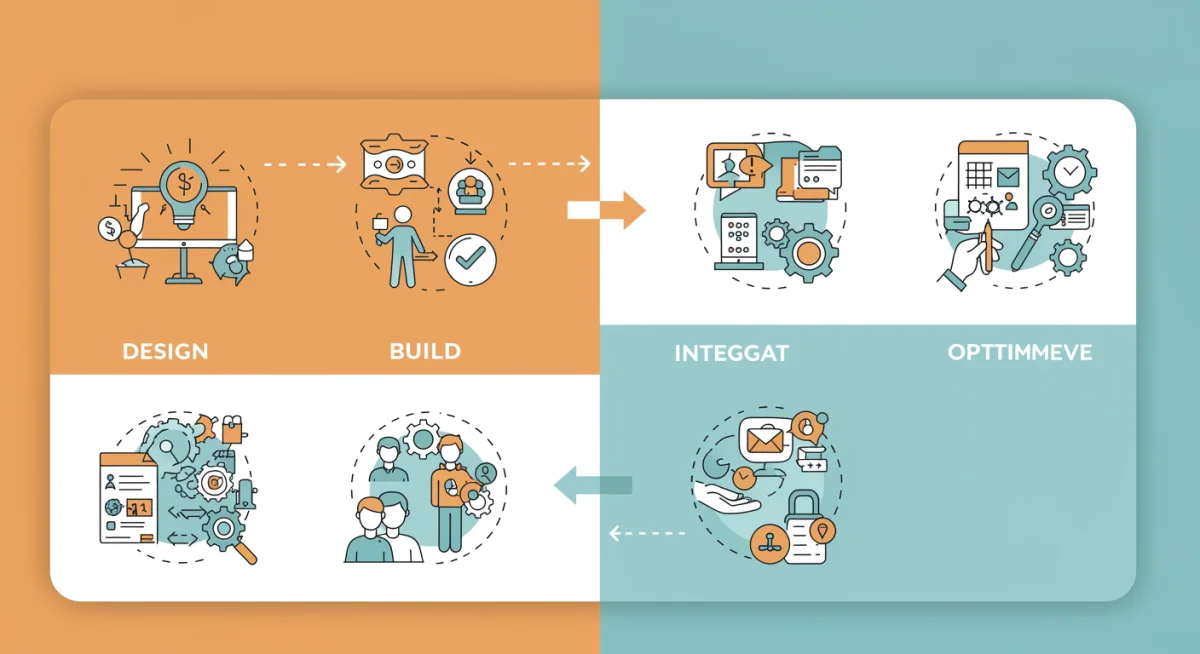
Step 1: Strategic Planning and Design of Your Digital Twin
The foundation of any successful digital twin initiative lies in meticulous strategic planning and design. This initial phase involves clearly defining objectives, identifying key assets or processes to twin, and outlining the scope of the project. Without a clear roadmap, even the most advanced technology can fall short of expectations.
For US industrial companies, this means aligning digital twin goals with broader business objectives, such as enhancing supply chain resilience, improving product quality, or reducing energy consumption. It requires a cross-functional team, bringing together operational technology (OT) and information technology (IT) experts, as well as business stakeholders.
Defining Scope and Objectives
Before embarking on the technical aspects, it’s crucial to answer fundamental questions about what the digital twin aims to achieve and what specific problem it intends to solve. A narrow, well-defined scope often yields better initial results, allowing for scaling later.
- Identify Critical Assets: Pinpoint the most vital machinery, production lines, or facilities that would benefit most from digital mirroring.
- Establish Key Performance Indicators (KPIs): Determine measurable metrics that will define the success of the digital twin, such as uptime, defect rates, or energy efficiency.
- Outline Use Cases: Detail the specific scenarios where the digital twin will be applied, e.g., predictive maintenance, process optimization, or remote monitoring.
This strategic clarity ensures that resources are allocated effectively and that the digital twin development remains focused on delivering tangible business value. It also helps manage expectations among stakeholders, ensuring everyone understands the project’s boundaries and potential.
Step 2: Building the Digital Twin Model and Data Infrastructure
Once the strategic planning is complete, the next critical step is the actual construction of the digital twin model and the establishment of a robust data infrastructure. This phase translates the conceptual design into a functional digital replica, requiring expertise in data acquisition, modeling, and platform selection.
Building the digital twin involves creating the virtual representation itself, which could be a 3D model, a set of algorithms, or a complex simulation environment. Simultaneously, the necessary data pipelines and storage solutions must be put in place to feed the twin with real-time information from its physical counterpart.
Data Acquisition and Sensor Integration
The lifeblood of any digital twin is data. This involves deploying and connecting a network of sensors and IoT devices to collect relevant operational data from the physical asset. This data can include temperature, pressure, vibration, energy consumption, and production metrics.
Careful consideration must be given to sensor placement, data sampling rates, and ensuring data quality and integrity. Inaccurate or incomplete data can lead to flawed insights and undermine the digital twin’s effectiveness. Establishing secure and reliable data transmission protocols is also paramount to protect sensitive operational information.
Modeling and Platform Selection
With data streaming in, the next step is to build the actual digital model. This often involves using specialized software platforms that can create detailed virtual representations, incorporate physics-based simulations, and apply advanced analytics. The choice of platform will depend on the complexity of the asset, the desired level of fidelity, and existing IT infrastructure.
- 3D Modeling Software: For visual representations and spatial analysis.
- Simulation Engines: To mimic physical behavior and test various operating conditions.
- AI/ML Tools: For predictive maintenance, anomaly detection, and optimization algorithms.
- Cloud Platforms: To host the digital twin, process large datasets, and provide scalability.
This phase demands a strong collaboration between engineers, data scientists, and IT architects to ensure the digital twin is not only technically sound but also aligned with the operational realities of the US industrial environment.
Step 3: Integrating the Digital Twin with Existing Systems
A digital twin’s true value is unlocked when it is seamlessly integrated with an organization’s broader operational and enterprise systems. This integration allows the twin to become an active participant in the decision-making process, rather than an isolated analytical tool. It enables holistic views and automated responses.
For US industrial facilities, this means connecting the digital twin to SCADA systems, Manufacturing Execution Systems (MES), Enterprise Resource Planning (ERP) software, and even Computerized Maintenance Management Systems (CMMS). Such integration ensures that insights from the digital twin can directly inform and optimize daily operations.
Establishing Data Flow and Interoperability
Effective integration hinges on establishing robust data flows between the digital twin platform and other systems. This often involves developing APIs (Application Programming Interfaces) or using middleware solutions to ensure different software applications can communicate and exchange information seamlessly.
- API Development: Creating custom interfaces for data exchange between systems.
- Middleware Solutions: Utilizing platforms that facilitate communication between disparate applications.
- Data Harmonization: Ensuring data formats and definitions are consistent across all integrated systems.
- Security Protocols: Implementing robust cybersecurity measures to protect data during transmission and storage.
Interoperability is a key challenge, as industrial environments often feature a mix of legacy systems and modern technologies. A well-planned integration strategy addresses these complexities, creating a unified data ecosystem that powers the digital twin.
Feedback Loops and Control Mechanisms
Beyond just data ingestion, true integration involves creating feedback loops where the digital twin can influence physical operations. This might involve automated adjustments to machine settings based on predictive models or alerting operators to potential issues before they escalate.
The goal is to move from reactive to proactive and even prescriptive operations. By integrating the digital twin with control systems, US industrial companies can achieve higher levels of automation and optimization, leading to significant gains in efficiency and safety. This requires careful validation and testing to ensure that automated actions are safe and effective.
Step 4: Optimizing and Scaling Your Digital Twin Implementation
The journey of digital twin implementation doesn’t end with deployment; it’s an ongoing process of optimization, refinement, and scaling. This final step focuses on continuously enhancing the digital twin’s accuracy, expanding its capabilities, and extending its application across more assets and processes within the organization.
For US industrial sectors, this iterative approach ensures that the digital twin remains a dynamic and valuable asset, adapting to changing operational needs and technological advancements. It involves continuous monitoring, performance analysis, and strategic expansion.
Continuous Monitoring and Performance Analysis
Once operational, the digital twin must be continuously monitored to assess its accuracy and effectiveness. This involves comparing its predictions and simulations against real-world outcomes and fine-tuning its models and algorithms accordingly. Regular performance reviews help identify areas for improvement.
Key metrics to track include the accuracy of predictive maintenance alerts, the impact on operational efficiency, and the return on investment (ROI) generated by the digital twin. This data-driven approach ensures that the digital twin is delivering its intended value and justifies further investment.
Scaling and Future-Proofing
After a successful pilot or initial implementation, the next logical step is to scale the digital twin across more assets, processes, or even entire facilities. This requires a modular and flexible architecture that can accommodate expansion without significant re-engineering.
- Modular Design: Building digital twins with reusable components to facilitate easier replication.
- Cloud Scalability: Leveraging cloud infrastructure to handle increased data volumes and computational demands.
- Standardization: Developing common data models and integration standards for consistent deployment.
- Emerging Technologies: Staying abreast of advancements in AI, machine learning, and IoT to incorporate new capabilities.
Embracing a culture of continuous improvement and innovation is vital for maximizing the long-term benefits of digital twin technology. By constantly optimizing and scaling, US industrial companies can ensure their digital twins remain at the forefront of operational excellence.
Challenges and Considerations for US Industrial Sectors
While the benefits of digital twin technology are profound, implementing them in US industrial sectors comes with its own set of challenges. Addressing these proactively is crucial for a smooth and successful deployment. These challenges range from data security and integration complexities to the need for specialized skill sets.
Industrial environments often feature a diverse array of legacy systems that may not be designed for seamless data sharing. Overcoming these integration hurdles requires careful planning and potentially significant investment in infrastructure upgrades or middleware solutions. Furthermore, the sheer volume and velocity of data generated by industrial operations necessitate robust data management strategies.
Data Security and Privacy
The collection and transmission of vast amounts of operational data introduce significant cybersecurity risks. Protecting this sensitive information from unauthorized access, manipulation, or cyberattacks is paramount, especially in critical infrastructure sectors.
- Robust Encryption: Implementing end-to-end encryption for data in transit and at rest.
- Access Controls: Strict role-based access to digital twin platforms and underlying data.
- Threat Detection: Deploying advanced cybersecurity tools to identify and mitigate potential threats.
- Compliance: Adhering to relevant industry regulations and data privacy laws.
A comprehensive cybersecurity strategy, developed in conjunction with IT security experts, is essential to build trust and ensure the integrity of digital twin operations. This includes regular audits and vulnerability assessments.
Talent Gap and Skill Development
Implementing and managing digital twins requires a blend of specialized skills, including data science, IoT engineering, cloud architecture, and industrial domain expertise. A significant challenge for US industrial companies is the existing talent gap in these areas.
Investing in training and upskilling existing workforces, as well as recruiting new talent with these specific competencies, is vital. Collaborating with academic institutions and technology providers can also help bridge this gap, ensuring that organizations have the necessary human capital to leverage digital twin technology effectively.
The Future of Digital Twins in US Industrial Landscape
The trajectory of digital twin technology in US industrial sectors points towards increasing sophistication and widespread adoption. As connectivity improves, AI capabilities advance, and the cost of sensors decreases, digital twins will become even more integral to operational excellence. They are poised to drive the next wave of industrial innovation.
We can expect to see digital twins evolving from individual asset replicas to comprehensive system-of-systems twins, encompassing entire factories, supply chains, and even smart cities. This holistic approach will unlock new levels of optimization and predictive power, enabling unprecedented levels of efficiency and sustainability across industries.
Hyper-realistic Simulations and Autonomous Operations
Future digital twins will offer even more hyper-realistic simulations, accurately modeling complex physical phenomena and human interactions. This will facilitate more precise scenario planning and risk assessment, allowing companies to test radical innovations virtually before physical implementation.
- Advanced Physics Engines: For more accurate modeling of material properties and environmental factors.
- Human-in-the-Loop Simulations: Integrating human behavior models for workforce planning and safety training.
- Autonomous Control: Digital twins directly informing and controlling autonomous industrial robots and processes.
- Predictive Maintenance 2.0: Moving beyond failure prediction to prescriptive actions that prevent issues entirely.
The integration of digital twins with artificial intelligence and machine learning will lead to increasingly autonomous industrial operations, where the twin not only predicts but also intelligently optimizes and manages its physical counterpart with minimal human intervention. This represents a significant leap towards fully self-optimizing industrial ecosystems.
| Key Aspect | Brief Description |
|---|---|
| Strategic Planning | Define clear objectives and scope, aligning digital twin goals with business needs for US industrial sectors. |
| Building the Model | Establish data infrastructure, integrate sensors, and create the virtual replica using appropriate modeling platforms. |
| System Integration | Seamlessly connect the digital twin with existing operational and enterprise systems for holistic insights. |
| Optimization & Scaling | Continuously monitor performance, refine models, and expand digital twin applications across the organization. |
Frequently Asked Questions About Digital Twins
A digital twin is a virtual representation of a physical asset, process, or system within US industrial sectors, continuously updated with real-time data. It enables simulation, analysis, and optimization to improve operational efficiency and predict outcomes, acting as a dynamic mirror of its physical counterpart.
Digital twins enhance manufacturing by allowing companies to simulate production processes, predict equipment failures, and optimize resource use. This leads to reduced downtime, improved product quality, and significant cost savings, making US manufacturing more competitive and efficient.
Key benefits include enhanced operational efficiency, predictive maintenance capabilities, optimized resource allocation, reduced risks through simulation, and accelerated innovation. Digital twins provide actionable insights that drive smarter decision-making and continuous improvement across industrial operations.
Critical data for a digital twin includes real-time sensor data (temperature, pressure, vibration), operational parameters, historical performance logs, maintenance records, and environmental conditions. High-quality, continuous data feeds are essential for the twin’s accuracy and predictive capabilities.
The implementation timeline for a digital twin varies greatly depending on its complexity and scope. A pilot project for a single asset might take a few months, while a comprehensive solution for an entire factory could span over a year. Strategic planning and clear objectives can significantly streamline the process.
Conclusion
The journey of demystifying and implementing digital twins across US industrial sectors is a strategic imperative for companies aiming to remain competitive and innovative. By following the outlined 4-step guide—strategic planning, model building, system integration, and continuous optimization—organizations can harness the transformative power of this technology. Digital twins are not merely a technological trend but a fundamental shift towards more intelligent, efficient, and resilient industrial operations, promising a future where virtual insights drive real-world success.