Regional Conflict Inaction: $50B US Economic Impact by 2025

Unresolved regional conflicts are projected to cost the US economy over $50 billion annually by 2025, primarily through disrupted trade, increased defense spending, and volatile energy markets.
The global landscape is increasingly characterized by volatility, with numerous regional conflicts simmering or actively escalating. The financial impact: assessing the cost of inaction – a 2025 projection of how unresolved regional conflicts could cost the US economy over $50 billion annually is not merely a theoretical exercise; it represents a tangible and growing threat to American prosperity and stability. Understanding the multifaceted ways these conflicts drain economic resources and impede growth is crucial for policymakers and businesses alike.
Understanding the direct economic channels of conflict
Regional conflicts, even those far removed from American borders, exert a profound financial toll on the US economy through several direct channels. These pathways are often interconnected, creating a complex web of economic vulnerabilities that can rapidly escalate.
One primary channel is the disruption of global supply chains. When critical regions for manufacturing, raw material extraction, or transportation become unstable, the flow of goods and services is interrupted. This leads to delays, increased shipping costs, and shortages, which ultimately translate into higher prices for consumers and reduced profits for businesses in the United States.
Disrupted trade routes and increased logistics costs
Many key maritime choke points and overland trade corridors pass through or near areas prone to regional conflicts. Blockades, piracy, and security threats force shipping companies to reroute, adding significant time and fuel expenses to journeys. These increased logistics costs are then passed down the supply chain.
- Higher insurance premiums for cargo and vessels operating in high-risk zones.
- Extended transit times leading to inventory backlogs and missed delivery deadlines.
- Diversion of resources to secure alternative, often less efficient, transportation methods.
- Increased operational costs for businesses relying on timely and predictable imports/exports.
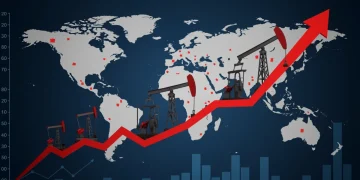
Another significant direct impact is the volatility in global energy markets. Many regional conflicts occur in energy-producing regions or along critical transit routes for oil and natural gas. Any perceived or actual threat to supply can cause immediate spikes in global energy prices, directly affecting US consumers through higher gasoline and utility costs, and increasing operational expenses for virtually every sector of the American economy.
The direct economic channels of conflict are not isolated incidents but rather systemic pressures that erode economic efficiency and stability. These pressures demand a comprehensive understanding to formulate effective mitigation strategies and protect the US economy from cascading financial consequences.
Escalating defense spending and budget strains
A significant, often overlooked, financial burden imposed by unresolved regional conflicts is the inevitable increase in defense spending. As global instability rises, the US is compelled to allocate more resources to military readiness, intelligence gathering, and intervention capabilities, diverting funds from other critical domestic priorities.
This escalation in defense spending comes in various forms, from maintaining a heightened military presence in volatile regions to funding humanitarian aid and reconstruction efforts in conflict-affected areas. While these expenditures are deemed necessary for national security and humanitarian reasons, they represent a substantial drain on the national budget, contributing to deficits and potentially crowding out investments in education, infrastructure, or healthcare.
The hidden costs of military deployments
Deploying military assets and personnel overseas is incredibly expensive. Beyond the immediate operational costs, there are long-term expenses associated with maintaining equipment, providing healthcare for veterans, and replenishing munitions. These costs accumulate rapidly, particularly when deployments are extended or involve complex logistical challenges.
- Increased personnel costs, including hazard pay and specialized training.
- Maintenance and procurement of advanced military hardware.
- Logistical expenditures for transportation, fuel, and supplies in remote areas.
- Funding for intelligence operations and cybersecurity defenses in response to evolving threats.
Furthermore, regional conflicts often necessitate increased foreign aid and diplomatic efforts, which, while not strictly defense spending, still draw from the federal budget. These efforts aim to stabilize regions, prevent further escalation, and mitigate humanitarian crises, all of which have indirect financial implications for the US taxpayer.
The strain on the federal budget from escalating defense spending is a critical component of the financial impact of inaction. Each dollar spent on responding to foreign conflicts is a dollar not invested at home, highlighting the opportunity cost associated with global instability and the need for proactive diplomatic solutions.
Impact on global trade and investment flows
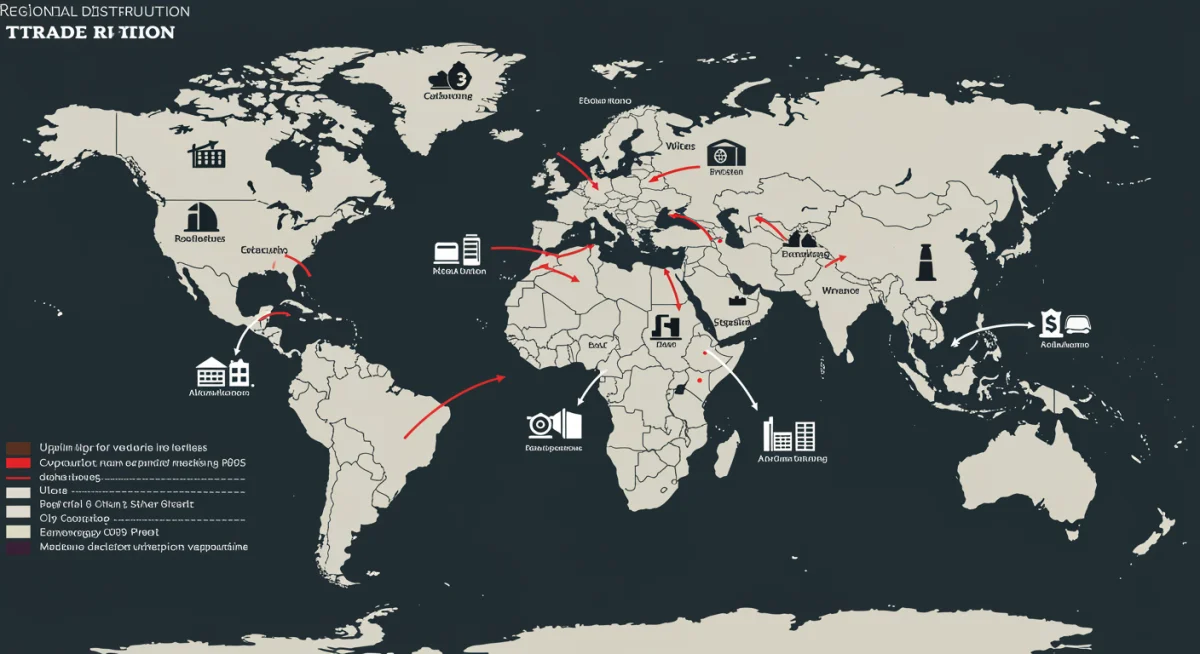
Unresolved regional conflicts fundamentally alter the landscape of global trade and investment. They introduce an elevated level of risk and uncertainty that deters foreign direct investment (FDI), disrupts established trade relationships, and can lead to a reallocation of capital away from productive ventures.
For the US economy, this means reduced export opportunities for American businesses, as foreign markets become less accessible or less stable. It also means diminished returns on overseas investments and a potential flight of capital back to perceived safer havens, which can sometimes include the US, but often at the expense of global economic growth.
Investment uncertainty and capital flight
Investors are inherently risk-averse. When regional conflicts erupt, the immediate response is often to pull capital from affected areas, and sometimes from entire regions perceived as unstable. This capital flight deprives developing economies of much-needed investment, but it also impacts US businesses that have invested heavily in these markets.
- Reduced confidence in emerging markets, slowing global economic expansion.
- Increased cost of capital for businesses operating in or trading with conflict zones.
- Loss of potential profits from overseas investments due to asset devaluation or expropriation.
- Shift of investment focus to domestic markets, potentially missing out on higher international growth opportunities.
Moreover, the instability caused by regional conflicts can lead to the imposition of sanctions by the US and its allies, further complicating international trade. While sanctions are intended to pressure aggressor states, they often have unintended consequences, disrupting legitimate commerce and requiring US companies to navigate complex compliance regimes.
The ripple effect on global trade and investment flows is a critical element in the overall financial toll. As the world becomes more interconnected, the economic health of one region can significantly influence the prosperity of others, making the containment and resolution of conflicts a global economic imperative.
Volatile energy markets and their domestic consequences
The interconnectedness of global energy markets means that regional conflicts, particularly in oil-rich regions or along critical transport routes, can have immediate and profound domestic consequences for the US economy. Fluctuations in global oil and natural gas prices directly translate to costs for American consumers and businesses.
When conflicts disrupt oil production or transit, supply concerns can trigger sharp price increases. These higher energy costs act as a hidden tax on consumers, reducing disposable income and dampening consumer spending. For businesses, elevated energy prices increase operational costs, from transportation to manufacturing, ultimately impacting profitability and potentially leading to higher inflation.
The ripple effect of oil price spikes
A sudden surge in oil prices can quickly propagate through the entire US economy. Transportation costs for goods increase, food prices rise due to higher agricultural inputs and distribution expenses, and even the cost of producing electricity can climb, affecting every household and industry.
- Higher gasoline prices at the pump for commuters and commercial transport.
- Increased utility bills for heating and cooling homes and businesses.
- Inflationary pressures as businesses pass on higher energy costs to consumers.
- Reduced corporate profitability, potentially leading to job cuts or slowed expansion.
Furthermore, prolonged energy market volatility can deter long-term investment in energy infrastructure and alternative energy sources, as companies grapple with unpredictable market conditions. This can hinder the transition to a more stable and sustainable energy future, leaving the US vulnerable to future shocks.
The domestic consequences of volatile energy markets underscore the urgent need for global stability. The US economy, despite its size and diversification, remains susceptible to the energy price shocks emanating from distant regional conflicts, highlighting a critical vulnerability that demands strategic foresight and diplomatic engagement.
Humanitarian crises and refugee flows: an economic strain
Beyond the direct economic impacts on trade and defense, unresolved regional conflicts invariably lead to devastating humanitarian crises, generating massive refugee flows. While the human cost is immeasurable, these crises also impose significant economic strains on recipient nations, including the United States, through increased aid, resettlement costs, and social services.
The US, as a leading global humanitarian actor, often contributes substantial financial aid to address these crises, both directly and through international organizations. Additionally, the resettlement of refugees within the US requires funding for housing, education, healthcare, and integration programs, representing a tangible economic outlay.
Costs of aid and resettlement programs
Responding to humanitarian crises is a moral imperative, but it carries a considerable financial burden. This includes emergency relief, long-term development assistance, and the complex process of resettling displaced populations.
- Funding for international humanitarian organizations providing food, shelter, and medical care.
- Direct financial assistance to conflict-affected regions and neighboring host countries.
- Costs associated with refugee processing, transportation, and initial settlement in the US.
- Provision of social services, language training, and educational support for resettled refugees.
Moreover, the long-term integration of refugee populations, while ultimately beneficial for societal diversity and economic growth, requires sustained investment in social infrastructure and support systems. This economic strain, while often diffuse and less immediately visible than other costs, is a consistent drain on public resources.
The economic burden of humanitarian crises and refugee flows is a stark reminder that the financial impact of regional conflicts extends far beyond market fluctuations and defense budgets. It touches upon the very fabric of society and demands a compassionate yet fiscally responsible approach to global challenges.
The intangible costs: reputation, influence, and future stability
While direct financial figures like $50 billion annually capture significant aspects of the cost, the true price of unresolved regional conflicts for the US economy extends into intangible realms. These include the erosion of global reputation, diminished diplomatic influence, and a long-term threat to future economic stability, which are harder to quantify but no less impactful.
A world rife with conflict undermines the multilateral institutions and norms that have historically facilitated global trade and cooperation, often championed by the US. This erosion can lead to a more fragmented and less predictable international environment, complicating economic planning and increasing geopolitical risks for American businesses operating abroad.
Erosion of soft power and diplomatic capital
When the US is perceived as unable to effectively resolve or de-escalate conflicts, its soft power and diplomatic capital can suffer. This can translate into reduced leverage in trade negotiations, reluctance from allies to support US initiatives, and a general decline in trust, all of which have indirect economic costs.
- Reduced international cooperation on critical economic issues like climate change or trade agreements.
- Loss of market share for US companies as other nations seek alternative partners.
- Increased difficulty in forming international coalitions to address shared economic threats.
- Damage to brand America, affecting tourism, education, and cultural exchanges.
Furthermore, prolonged global instability fosters an environment of fear and uncertainty, which can depress consumer and business confidence both domestically and internationally. This lack of confidence can stifle innovation, deter investment, and ultimately slow economic growth for years to come.
The intangible costs of unresolved regional conflicts are insidious because they accumulate over time, gradually undermining the foundations of global prosperity. Recognizing these deeper, less quantifiable impacts is essential for a holistic understanding of the full financial burden and for developing long-term strategies that promote peace and stability.
| Key Impact Area | Brief Description of Cost |
|---|---|
| Supply Chain Disruptions | Increased shipping costs, delays, and shortages leading to higher consumer prices and reduced business profitability. |
| Defense Spending | Elevated military budgets, deployments, and aid divert funds from domestic investments and contribute to national debt. |
| Energy Market Volatility | Regional conflicts cause oil and gas price spikes, increasing operational costs for businesses and reducing consumer purchasing power. |
| Humanitarian Aid & Resettlement | Significant financial outlays for international aid and domestic refugee integration programs. |
Frequently asked questions about the economic impact of regional conflicts
Regional conflicts disrupt global supply chains by closing trade routes, increasing shipping costs, and causing delays in material delivery. This leads to higher import prices for consumers and reduced export opportunities for American businesses, impacting overall trade volumes and profitability.
Increased global instability due to regional conflicts compels the US to allocate more resources to military readiness, intelligence, and interventions. This higher defense spending diverts funds from domestic priorities, contributing to budget deficits and representing a significant opportunity cost for other public investments.
Many regional conflicts occur in or near major oil and natural gas production or transit regions. Threats to supply can trigger immediate spikes in global energy prices, directly translating to higher gasoline costs for consumers and increased operational expenses for US businesses, contributing to inflation.
Humanitarian crises generate massive refugee flows, leading to significant economic strains. The US contributes substantial financial aid to these crises and incurs costs for refugee resettlement, including housing, education, healthcare, and integration programs, representing a consistent drain on public resources.
Intangible costs include the erosion of US global reputation and diplomatic influence, which can hinder international cooperation and trade negotiations. Prolonged instability also dampens consumer and business confidence, stifling innovation and deterring long-term investment, ultimately threatening future economic stability.
Conclusion
The projection of over $50 billion in annual costs to the US economy by 2025 due to unresolved regional conflicts underscores a pressing reality: inaction carries a steep price. From disrupted supply chains and volatile energy markets to escalating defense spending and the humanitarian burden, the ripple effects are pervasive and detrimental. Recognizing these multifaceted economic impacts is the first step toward developing comprehensive strategies that prioritize diplomatic engagement, conflict resolution, and proactive measures to safeguard American prosperity. The financial health of the nation is inextricably linked to global stability, making investment in peace an economic imperative.