AI Bias Cost: Mitigating U.S. Business Risks by 2025

Mitigating AI bias mitigation is paramount for U.S. businesses to avert substantial financial and reputational damage by 2025, requiring robust ethical frameworks and proactive risk management.
As artificial intelligence rapidly integrates into every facet of business operations, understanding and addressing The Cost of AI Bias: Mitigating Financial and Reputational Risks for U.S. Businesses by 2025 has become an urgent priority. This isn’t merely a theoretical concern; biased AI systems can lead to real-world consequences, impacting everything from loan approvals and hiring decisions to customer service and legal compliance. For U.S. businesses, the stakes are incredibly high, making proactive mitigation strategies essential for sustainable growth and ethical innovation.
The Pervasive Nature of AI Bias in Business Operations
AI bias, often an unintended consequence of biased training data or flawed algorithmic design, is silently infiltrating various business functions. Its subtle presence can lead to discriminatory outcomes, affecting diverse demographics and undermining the very principles of fairness and equity. Recognizing the widespread nature of this issue is the first crucial step toward effective mitigation.
From automated recruitment platforms that inadvertently favor certain demographics to credit scoring models that penalize specific communities, the impact of biased AI is far-reaching. These systems, designed to optimize efficiency and decision-making, can instead perpetuate and even amplify existing societal biases, creating significant challenges for businesses striving for inclusive practices.
Understanding the Genesis of AI Bias
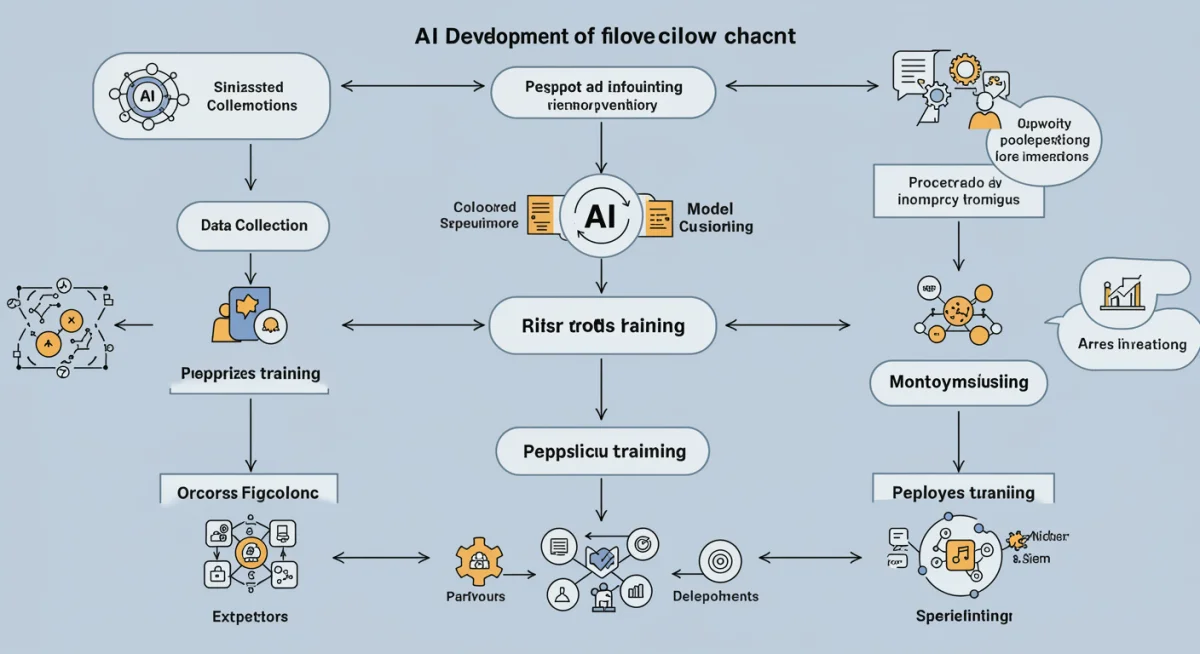
AI bias doesn’t simply appear; it originates from a variety of sources within the AI development lifecycle. Data collection, model training, and even the problem definition stage can embed biases that manifest later in deployment.
- Historical Data Bias: If past data reflects societal inequalities, an AI system trained on it will learn and reproduce those biases.
- Sampling Bias: When data used for training is not representative of the target population, leading to skewed results.
- Algorithmic Bias: Flaws in the algorithm’s design or logic that can introduce or amplify unfairness.
- Human Cognitive Bias: Developers and data scientists can unconsciously embed their own biases into the system’s design or data labeling.
Ultimately, the pervasive nature of AI bias demands a holistic approach to identification and remediation. Businesses must look beyond superficial fixes, delving deep into their data pipelines and algorithmic architectures to uncover and address these fundamental issues. This comprehensive scrutiny ensures that AI systems are not only efficient but also equitable and trustworthy.
Quantifying the Financial Impact of AI Bias
The financial ramifications of AI bias are often underestimated, yet they can be substantial, ranging from regulatory fines and legal settlements to lost revenue and increased operational costs. For U.S. businesses, these costs can quickly escalate, jeopardizing profitability and long-term viability.
Consider the potential for class-action lawsuits stemming from discriminatory AI decisions in areas like lending or employment. Such legal battles are not only expensive but also time-consuming, diverting valuable resources away from core business activities. Moreover, regulatory bodies are increasingly scrutinizing AI systems, imposing hefty penalties for non-compliance with anti-discrimination laws.
Direct Financial Costs
The direct financial costs associated with AI bias are tangible and readily quantifiable. These include:
- Regulatory Fines: Non-compliance with emerging AI ethics regulations and anti-discrimination laws can result in significant financial penalties.
- Legal Fees and Settlements: Lawsuits filed by affected individuals or groups can lead to expensive legal battles and substantial settlement payouts.
- Remediation Expenses: The cost of identifying, fixing, and re-deploying biased AI systems, including data re-collection and model retraining.
- Lost Productivity: Time and resources spent addressing bias-related issues instead of focusing on innovation and growth.
Beyond these direct costs, businesses may also face increased insurance premiums or difficulty securing certain types of coverage if their AI systems are deemed high-risk. Accurately quantifying these financial impacts is crucial for making a compelling business case for investing in AI bias mitigation strategies.
The Erosion of Trust: Reputational Risks and Brand Damage
While financial penalties are concrete, the damage to a company’s reputation due to AI bias can be even more insidious and long-lasting. In today’s interconnected world, news of biased AI systems spreads rapidly, eroding public trust and severely damaging brand image. Rebuilding trust, once lost, is an arduous and often expensive endeavor.
Consumers are increasingly aware of and concerned about ethical AI practices. Reports of discriminatory algorithms can lead to widespread public outcry, boycotts, and negative media coverage. This can alienate existing customers, deter potential new ones, and make it difficult to attract top talent who prioritize working for ethically responsible organizations.
Long-Term Brand Impact
The reputational fallout from AI bias extends beyond immediate public relations crises. It can have a profound and lasting impact on a brand’s perceived value and trustworthiness:
- Customer Churn: Customers may switch to competitors perceived as more ethical or fair in their use of technology.
- Talent Acquisition Challenges: Top-tier talent may be reluctant to join companies with a reputation for unethical AI practices.
- Investor Scrutiny: Investors are increasingly considering ESG (Environmental, Social, and Governance) factors, and AI ethics falls squarely within the ‘Social’ aspect.
- Partnership Difficulties: Other businesses may be hesitant to partner with an organization facing reputational issues related to AI bias.
The erosion of trust can fundamentally undermine a business’s social license to operate, impacting its ability to innovate and grow. Protecting brand reputation thus becomes a critical driver for prioritizing AI bias mitigation, demonstrating a commitment to ethical technology use.
Proactive Strategies for AI Bias Mitigation by 2025
To effectively address the multifaceted risks of AI bias, U.S. businesses must adopt proactive and comprehensive mitigation strategies. Waiting for issues to arise is no longer a viable option; the speed at which AI operates demands foresight and preventive measures. By 2025, robust frameworks for ethical AI development and deployment will be a competitive necessity.
Establishing an Ethical AI Framework
A foundational step is to develop and implement a clear ethical AI framework that guides all stages of AI development and deployment. This framework should define principles, responsibilities, and accountability mechanisms.
- Diversity in Data and Teams: Ensure training data is diverse and representative, and foster diverse AI development teams to bring varied perspectives.
- Bias Detection Tools: Utilize specialized tools and methodologies to identify and measure bias in datasets and AI models.
- Fairness Metrics: Define and implement quantitative fairness metrics relevant to the AI application and its potential impact on different groups.
- Explainable AI (XAI): Promote the use of XAI techniques to understand how AI models arrive at their decisions, making bias easier to detect.
Proactive strategies also involve continuous monitoring and auditing of AI systems post-deployment. Bias is not a static problem; it can emerge or evolve over time as data streams change or models adapt. Regular assessments ensure ongoing fairness and performance, safeguarding against new risks.
Regulatory Landscape and Compliance in the U.S.
The regulatory environment surrounding AI is rapidly evolving, particularly in the U.S. Businesses must stay abreast of these developments to ensure compliance and avoid legal pitfalls. While a single, comprehensive federal AI regulation is still emerging, various sector-specific guidelines and state-level initiatives are already in play, setting precedents for future compliance requirements.
For instance, laws addressing algorithmic discrimination in housing, employment, and credit are being updated or newly introduced. Organizations operating in these sectors face immediate compliance challenges and must adapt their AI practices accordingly. The absence of a unified federal approach means businesses need to navigate a patchwork of regulations, making proactive legal counsel and internal policy development critical.
Key Regulatory Considerations by 2025
U.S. businesses should monitor and prepare for several key regulatory trends:
- State-Level AI Laws: States like New York and California are pioneering legislation on AI transparency and bias, particularly in employment and consumer protection.
- Sector-Specific Guidance: Financial, healthcare, and insurance industries are likely to see more stringent guidelines from federal agencies regarding AI use and fairness.
- Federal AI Initiatives: While direct legislation is slow, executive orders and agency guidance (e.g., NIST AI Risk Management Framework) will influence best practices and set expectations.
- Data Privacy Overlap: AI bias often intersects with data privacy concerns (e.g., GDPR, CCPA), requiring integrated compliance strategies.
Navigating this complex regulatory landscape requires dedicated resources and expertise. Businesses that prioritize compliance not only mitigate legal and financial risks but also demonstrate a commitment to responsible AI, enhancing their standing with regulators and the public alike.
Building a Culture of Responsible AI
Beyond technical fixes and compliance checklists, fostering a culture of responsible AI within an organization is paramount. This involves embedding ethical considerations into every stage of the AI lifecycle, from initial conceptualization to deployment and continuous monitoring. It’s about shifting mindsets and ensuring that every team member, from data scientists to executives, understands their role in preventing and mitigating bias.
A culture of responsible AI encourages open dialogue about potential risks, promotes interdisciplinary collaboration, and empowers employees to raise concerns without fear of reprisal. It transforms AI ethics from a mere regulatory burden into a core organizational value, driving innovation that is both powerful and principled.
Key Pillars of a Responsible AI Culture
Cultivating such a culture requires deliberate effort and investment in several areas:
- Leadership Buy-in: Executives must champion responsible AI and allocate necessary resources.
- Employee Training: Provide ongoing education on AI ethics, bias detection, and responsible development practices for all relevant staff.
- Cross-Functional Collaboration: Encourage collaboration between technical teams, legal, ethics, and business units to ensure a holistic approach.
- Transparency and Accountability: Establish clear lines of responsibility for AI systems and promote transparency in their design and operation.
Ultimately, a robust culture of responsible AI acts as the strongest defense against the risks of bias. It ensures that ethical considerations are not an afterthought but are intrinsically woven into the fabric of AI development, leading to more trustworthy, equitable, and ultimately more successful AI deployments.
| Key Aspect | Impact & Mitigation |
|---|---|
| Financial Risks | Regulatory fines, legal costs, lost revenue. Mitigate with compliance and ethical frameworks. |
| Reputational Damage | Erosion of trust, brand boycotts, talent loss. Build a culture of responsible AI. |
| Bias Sources | Biased data, algorithmic flaws, human input. Address through diverse data and XAI tools. |
| Regulatory Compliance | Evolving U.S. laws. Stay updated, develop internal policies, and seek legal counsel. |
Frequently Asked Questions About AI Bias Mitigation
AI bias refers to systematic errors in AI systems that lead to unfair or discriminatory outcomes. For U.S. businesses, it’s a significant concern due to potential financial penalties from regulations, costly lawsuits, and severe damage to brand reputation, impacting customer trust and market position.
Financial impacts include substantial regulatory fines for non-compliance, expensive legal fees and settlements from discrimination lawsuits, and the costs of remediating biased systems. Additionally, there can be lost revenue from customer churn and decreased market opportunities due to tarnished public image.
AI bias primarily stems from historical data reflecting societal inequalities, unrepresentative sampling during data collection, inherent flaws in algorithmic design, and human cognitive biases embedded by developers. Each stage of AI development can introduce or amplify these biases.
Businesses can implement ethical AI frameworks, ensure diverse and representative data, utilize bias detection tools and fairness metrics, and adopt Explainable AI (XAI) techniques. Continuous monitoring and auditing of AI systems post-deployment are also crucial for ongoing mitigation.
The U.S. regulatory landscape is evolving with state-level laws and sector-specific guidelines addressing algorithmic discrimination. By 2025, businesses must actively monitor these changes, developing internal policies, seeking legal counsel, and ensuring their AI practices align with emerging compliance requirements to avoid penalties.
Conclusion
The journey toward ethical and unbiased AI is not merely a technical challenge but a strategic imperative for U.S. businesses. As 2025 approaches, the costs associated with AI bias—both financial and reputational—are becoming increasingly significant. Proactive mitigation strategies, rooted in robust ethical frameworks, diverse data practices, and a culture of responsible AI, are essential. By embracing these principles, businesses can not only safeguard against risks but also unlock the true potential of AI as a force for positive, equitable innovation, building trust and ensuring sustainable growth in an AI-driven future.