Bridging Cybersecurity Workforce Gap with AI by 2025
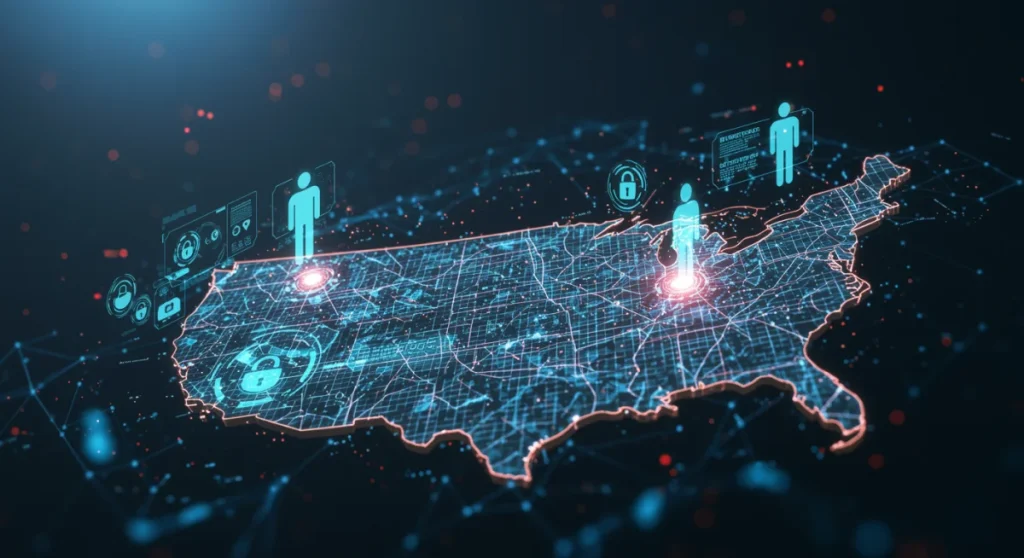
AI is emerging as a critical solution to the escalating cybersecurity workforce gap in the U.S., projected to reduce the skills deficit by 20% in organizations by 2025 through automation, enhanced threat detection, and skill augmentation.
The persistent and growing cybersecurity workforce gap presents a significant challenge for U.S. organizations, intensifying vulnerabilities in an increasingly digital landscape. However, artificial intelligence (AI) is rapidly emerging as a transformative force, offering innovative solutions to not only mitigate this deficit but also to strategically bridge the skills gap by an ambitious 20% in U.S. organizations by 2025. This article delves into how AI is redefining cybersecurity roles, enhancing operational efficiency, and empowering a more resilient defense against evolving cyber threats.
Understanding the Cybersecurity Workforce Deficit
The cybersecurity landscape is characterized by an ever-present threat of sophisticated attacks, yet the human resources required to combat these threats remain critically scarce. This deficit isn’t merely a lack of bodies; it’s a profound shortage of specialized skills and expertise needed to manage complex security infrastructures and respond to advanced persistent threats. The demand for cybersecurity professionals continues to outpace the supply, creating a significant vulnerability for businesses and critical infrastructure across the United States.
Several factors contribute to this persistent gap, including the rapid evolution of technology, the increasing sophistication of cyber adversaries, and the extensive training required for effective cybersecurity roles. Organizations struggle to recruit and retain talent, leading to overworked teams and potential burnout, which further exacerbates the problem. The financial implications of this gap are substantial, as security breaches can lead to massive data loss, reputational damage, and regulatory penalties.
The scale of the problem
Reports consistently highlight the severity of the cybersecurity talent shortage. Industry analyses often indicate hundreds of thousands of unfilled cybersecurity positions in the U.S. alone. This isn’t just about large corporations; small and medium-sized enterprises (SMEs) are often hit harder due to limited resources and less access to specialized talent. The sheer volume of daily cyber threats necessitates a robust and well-staffed security operation, which many organizations simply cannot achieve with current human resources.
- High demand, low supply: The number of available positions far exceeds qualified candidates.
- Skill specialization: A particular shortage in areas like cloud security, AI security, and incident response.
- Rapid technological change: The need for continuous upskilling and reskilling.
- Retention challenges: High competition for talent leads to frequent job changes.
Ultimately, understanding the multifaceted nature of this workforce deficit is the first step toward developing comprehensive and effective solutions. The traditional approaches to recruitment and training are proving insufficient, making innovative strategies, particularly involving AI, indispensable for future security resilience.
AI’s Role in Automating Routine Security Tasks
One of the most immediate and impactful applications of AI in cybersecurity is the automation of routine, repetitive, and time-consuming tasks. By offloading these operational burdens from human analysts, AI allows skilled professionals to focus on more complex, strategic, and high-value activities that require critical thinking and human intuition. This reallocation of resources is crucial for optimizing existing talent and making security operations more efficient.
AI-powered automation can handle a wide array of functions, from initial threat screening and vulnerability management to basic incident response. These systems can process vast amounts of data much faster and more accurately than humans, identifying patterns and anomalies that might otherwise go unnoticed. This not only speeds up detection and response times but also reduces the likelihood of human error, enhancing overall security posture.
Streamlining security operations
Automation tools powered by AI are transforming how security teams operate. Security Orchestration, Automation, and Response (SOAR) platforms, for instance, leverage AI to integrate various security tools, automate workflows, and execute predefined actions in response to security incidents. This capability significantly reduces the manual effort involved in managing alerts and coordinating responses.
- Automated threat intelligence: AI continuously gathers and analyzes threat data from diverse sources.
- Vulnerability scanning and patching: AI identifies weaknesses and orchestrates patch deployment.
- Log analysis and anomaly detection: AI sifts through massive log files to pinpoint unusual activities.
- Tier 1 incident response: AI can isolate infected systems or block malicious IPs automatically.
The strategic deployment of AI for task automation is not about replacing human cybersecurity professionals, but rather augmenting their capabilities. It enables organizations to do more with less, stretching their existing workforce further and improving their defensive capabilities without needing to fill every single open position manually. This shift is vital for managing the growing volume of cyber threats effectively.
Enhancing Threat Detection and Response with AI
Beyond automation, AI significantly elevates an organization’s ability to detect and respond to cyber threats with unparalleled speed and accuracy. Traditional security systems often rely on known signatures or rule-based detection, which can be easily bypassed by novel or sophisticated attacks. AI, particularly machine learning algorithms, offers a more proactive and adaptive approach by learning from data and identifying emergent threats.
AI systems can analyze real-time network traffic, user behavior, and system logs to establish baselines of normal activity. Any deviation from these baselines can trigger an alert, indicating a potential threat that might otherwise go unnoticed by human analysts or conventional tools. This behavioral analysis is particularly effective against zero-day exploits and polymorphic malware, which constantly change their signatures to evade detection.
Advanced analytics for proactive defense
The predictive capabilities of AI are revolutionizing threat intelligence. By analyzing historical data and current trends, AI can forecast potential attack vectors and vulnerabilities, allowing organizations to implement preventative measures before an attack even occurs. This proactive stance moves cybersecurity from a reactive model to a predictive one, significantly strengthening defenses.

- Behavioral analytics: Detecting unusual user or system behavior indicative of compromise.
- Malware analysis: Identifying new strains of malware based on their characteristics and behavior.
- Phishing detection: Analyzing email content and sender reputation to flag malicious communications.
- Predictive threat intelligence: Anticipating future attack trends and vulnerabilities.
The integration of AI into threat detection and response frameworks empowers security teams with advanced tools that can process, correlate, and interpret vast quantities of data at machine speed. This capability is indispensable in an era where cyberattacks are becoming increasingly automated and sophisticated, allowing organizations to maintain a competitive edge against adversaries.
AI-Powered Training and Skill Augmentation
Addressing the cybersecurity workforce gap is not solely about automating tasks or improving detection; it also involves enhancing the skills of the existing workforce and accelerating the training of new professionals. AI plays a pivotal role in this aspect by providing personalized learning experiences, simulating real-world scenarios, and augmenting human capabilities with intelligent tools.
AI-driven training platforms can adapt to individual learning styles and paces, identifying areas where a professional needs improvement and offering targeted modules. This personalized approach makes training more efficient and effective, allowing individuals to quickly acquire new skills or deepen their existing expertise. Furthermore, AI tools can act as virtual assistants for security analysts, providing real-time insights and recommendations during incident response, thereby augmenting their decision-making capabilities.
Building a smarter, more capable workforce
Simulated environments powered by AI allow cybersecurity professionals to practice responding to various cyberattacks in a safe, controlled setting. These simulations can replicate complex scenarios, from phishing campaigns to advanced persistent threats, giving trainees invaluable hands-on experience without risking real systems. This experiential learning is crucial for developing practical skills and building confidence.
Moreover, AI can help identify skill gaps within a security team by analyzing performance data and suggesting relevant training modules. This continuous feedback loop ensures that the workforce remains agile and equipped to handle emerging threats. AI also facilitates knowledge sharing by organizing and making accessible vast repositories of cybersecurity intelligence, enabling quicker access to critical information for all team members.
By leveraging AI for training and skill augmentation, organizations can cultivate a more skilled, adaptable, and efficient cybersecurity workforce. This not only helps to bridge the existing gap but also prepares the team for future challenges, ensuring a continuous cycle of learning and improvement.
Challenges and Ethical Considerations in AI Adoption
While the benefits of AI in bridging the cybersecurity workforce gap are undeniable, its adoption also presents a unique set of challenges and ethical considerations. Organizations must navigate these complexities carefully to ensure that AI is deployed responsibly and effectively. The successful integration of AI requires more than just technological implementation; it demands thoughtful planning, robust governance, and a clear understanding of its limitations.
One primary challenge is the quality and bias of data used to train AI models. If the training data is incomplete or biased, the AI system may perpetuate or even amplify existing vulnerabilities and inequalities, leading to ineffective or unfair security outcomes. Ensuring data integrity and diversity is paramount for building reliable AI systems. Another concern is the potential for AI systems themselves to become targets of cyberattacks, requiring robust security measures to protect these critical assets.
Navigating the path to responsible AI
The ethical implications of AI in cybersecurity extend to issues of privacy, surveillance, and accountability. As AI systems become more autonomous in decision-making, questions arise regarding who is responsible when an AI makes an erroneous or harmful decision. Striking a balance between leveraging AI’s capabilities and protecting individual rights and freedoms is a delicate act that requires careful consideration and policy development.
- Data quality and bias: Ensuring AI models are trained on diverse and unbiased datasets.
- AI explainability: The ability to understand how AI makes decisions, crucial for auditing and trust.
- Security of AI systems: Protecting AI models from adversarial attacks and manipulation.
- Ethical guidelines and regulations: Developing frameworks for responsible AI deployment.
- Job displacement fears: Addressing concerns about AI replacing human roles rather than augmenting them.
Addressing these challenges requires a multi-faceted approach involving technological safeguards, clear ethical guidelines, and ongoing dialogue between policymakers, industry experts, and the public. Only through such comprehensive efforts can organizations harness the full potential of AI while mitigating its risks effectively.
Strategies for U.S. Organizations to Implement AI
To effectively leverage AI in bridging the cybersecurity workforce gap, U.S. organizations need a strategic and phased implementation approach. Simply adopting AI tools without a clear roadmap can lead to inefficiencies and unmet expectations. A successful strategy involves assessing current needs, investing in the right technologies, fostering a culture of innovation, and continuously evaluating performance.
The first step is to conduct a thorough audit of current cybersecurity capabilities and identify specific areas where AI can provide the most significant impact. This might include automating repetitive tasks, enhancing threat intelligence, or improving incident response times. Prioritizing these areas ensures that AI investments are directed where they can yield the greatest return and address critical pain points in the workforce deficit.
Phased AI integration and continuous improvement
Organizations should consider a phased rollout of AI solutions, starting with pilot projects to test their effectiveness and gather feedback. This iterative approach allows for adjustments and optimizations before full-scale deployment. Investing in robust AI platforms that can integrate seamlessly with existing security infrastructure is also crucial for minimizing disruption and maximizing efficiency.
Furthermore, fostering a culture that embraces AI and continuous learning is essential. This includes providing training for existing staff on how to work alongside AI tools, ensuring they understand the benefits and can effectively utilize new capabilities. Collaboration between IT, security, and data science teams will be vital for successful integration and ongoing development of AI-driven solutions.
- Assess current cybersecurity posture: Identify key areas for AI intervention.
- Invest in scalable AI solutions: Choose platforms that grow with organizational needs.
- Pilot projects and iterative deployment: Test and refine AI solutions before full rollout.
- Employee training and upskilling: Prepare the workforce to collaborate with AI.
- Establish clear metrics for success: Measure AI’s impact on reducing the workforce gap and improving security.
By adopting a strategic, phased, and human-centric approach to AI implementation, U.S. organizations can maximize the benefits of this technology, significantly contributing to bridging the cybersecurity workforce gap and building a more resilient defense against cyber threats by 2025.
| Key Aspect | Brief Description |
|---|---|
| Workforce Gap | Critical shortage of skilled cybersecurity professionals in U.S. organizations. |
| AI Automation | Automates routine security tasks, freeing human analysts for complex issues. |
| Enhanced Detection | AI improves threat detection and response using behavioral analytics and predictive intelligence. |
| Skill Augmentation | AI-powered training and tools enhance existing workforce skills and accelerate new talent development. |
Frequently Asked Questions About AI and Cybersecurity
The cybersecurity workforce gap refers to the significant shortage of skilled professionals needed to fill critical security roles within organizations, leading to increased vulnerability to cyber threats. This deficit is driven by rapidly evolving technology and the complexity of modern cyberattacks.
AI helps by automating routine tasks like threat screening and log analysis, enhancing threat detection with behavioral analytics, and augmenting human capabilities through AI-powered training and real-time decision support. This allows human experts to focus on complex, strategic security challenges.
Key benefits include faster and more accurate threat detection, automation of repetitive tasks, improved incident response times, proactive identification of vulnerabilities, and enhanced training for cybersecurity professionals. AI makes security operations more efficient and effective.
Challenges include ensuring data quality and avoiding bias in AI models, addressing the explainability of AI decisions, securing AI systems from attacks, and navigating ethical considerations regarding privacy and accountability. Careful planning and governance are essential for successful implementation.
The ambitious target is for AI to help U.S. organizations bridge the cybersecurity workforce skills deficit by 20% by 2025. This reduction is expected through a combination of automation, enhanced threat intelligence, and advanced skill augmentation for existing and new professionals.
Conclusion
The persistent cybersecurity workforce gap remains a critical vulnerability for U.S. organizations, but the strategic integration of artificial intelligence offers a powerful pathway to a more secure future. By automating routine tasks, enhancing threat detection, and augmenting human capabilities through advanced training, AI is poised to significantly reduce the skills deficit by 20% by 2025. While challenges related to data quality, ethics, and implementation persist, a thoughtful and phased approach to AI adoption will enable organizations to cultivate a more resilient, efficient, and skilled cybersecurity workforce, ultimately strengthening defenses against an ever-evolving threat landscape.