Securing US Critical Mineral Supply Chains: A 2025 Geopolitical Framework
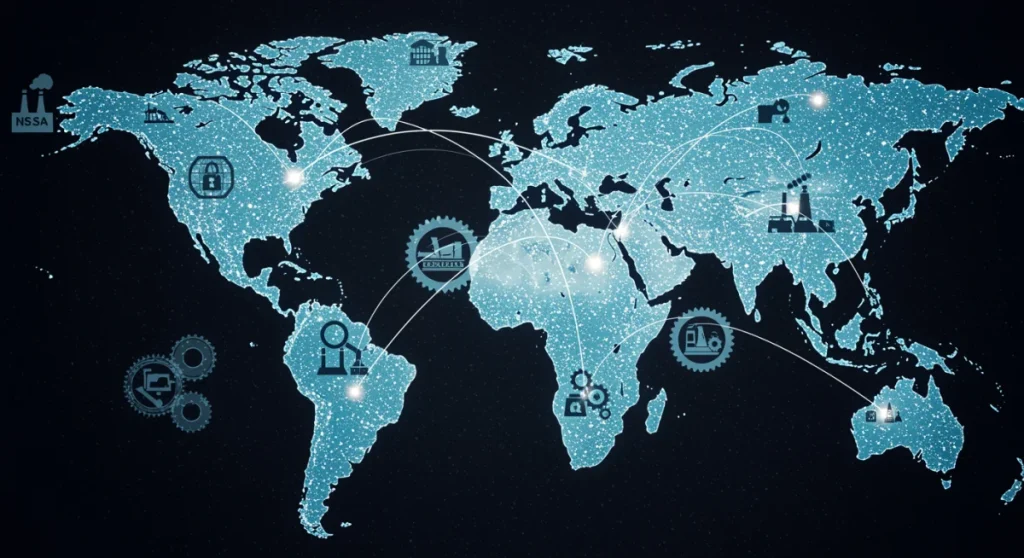
The 2025 United States geopolitical framework for securing critical mineral supply chains focuses on robust domestic production, strategic international partnerships, and innovative recycling to ensure national and economic resilience.
The global landscape is shifting, and with it, the critical importance of raw materials. Understanding how the United States plans on securing global supply chains: a 2025 US geopolitical framework for critical minerals is essential for anyone interested in national security, economic stability, and technological advancement. This framework represents a proactive stance to safeguard future prosperity.
The evolving landscape of critical mineral demand
The demand for critical minerals is skyrocketing, fueled by the global transition to clean energy technologies, advanced electronics, and defense applications. These minerals, often found in concentrated geographic areas, are vital for everything from electric vehicle batteries to wind turbines and fighter jets. The United States, recognizing its reliance on foreign sources, is actively seeking to reshape this dynamic.
This increased demand has created a complex web of geopolitical dependencies and vulnerabilities. Nations with abundant reserves or advanced processing capabilities hold significant sway, influencing global markets and potentially impacting national security interests. Addressing these challenges requires a multi-faceted approach.
Key drivers of demand
Several factors are converging to intensify the demand for critical minerals, creating a pressing need for strategic action. Understanding these drivers is the first step in formulating an effective response.
- Clean energy transition: Renewable energy technologies like solar panels, wind turbines, and electric vehicle batteries are heavily reliant on minerals such as lithium, cobalt, nickel, and rare earth elements.
- Advanced electronics: Smartphones, computers, and other high-tech devices require a diverse array of critical minerals for their intricate components.
- Defense applications: Modern military equipment, from precision-guided munitions to advanced communication systems, depends on a secure supply of these essential materials.
The convergence of these forces underscores the urgency for the US to establish a resilient framework. Without a secure and diversified supply, the nation’s technological edge and economic competitiveness could be significantly hampered. This section highlights the foundational challenges driving the 2025 framework.
Strategic pillars of the 2025 US framework
The 2025 US geopolitical framework for critical minerals is built upon several interconnected strategic pillars designed to enhance resilience, reduce dependencies, and promote sustainable practices. These pillars represent a comprehensive approach to a complex global challenge.
These strategic pillars are not isolated initiatives but rather form a cohesive strategy aimed at creating a robust and adaptable supply chain. Each pillar reinforces the others, contributing to the overall goal of securing vital resources for the nation’s future.
Diversifying supply sources
Reducing reliance on any single country or region is paramount. The US seeks to expand its network of reliable partners and explore new extraction opportunities globally. This involves both diplomatic efforts and direct investment.
- International partnerships: Forging agreements with allies and like-minded nations to co-develop mineral resources and establish transparent supply chains.
- Exploration and development: Investing in geological surveys and mining projects in geopolitically stable regions to identify and access new deposits.
- Trade agreements: Negotiating trade policies that facilitate the ethical and secure flow of critical minerals from diverse sources.
Boosting domestic production and processing
Strengthening the domestic critical mineral industry is a core component of the framework. This includes not only extraction but also the crucial processing capabilities that transform raw materials into usable forms. Historically, the US has outsourced much of this processing, creating vulnerabilities.
The goal is to rebuild and modernize the entire domestic value chain, from mine to manufacturing. This will require significant investment, technological innovation, and a supportive regulatory environment to attract and retain talent and capital within the US.
Fostering innovation and recycling
Technological innovation and advanced recycling techniques are critical for reducing overall demand for newly mined minerals and creating a more circular economy. Research and development in these areas are being prioritized.
- Material substitution: Developing alternative materials that can perform the same functions as critical minerals, thereby reducing demand.
- Advanced recycling: Investing in technologies that can efficiently recover critical minerals from end-of-life products, such as batteries and electronics.
- Sustainable mining practices: Promoting environmentally responsible extraction and processing methods to minimize ecological impact and improve social license to operate.
These strategic pillars collectively aim to create a more secure, sustainable, and resilient supply chain for critical minerals, safeguarding the economic and national security interests of the United States. The framework recognizes that a holistic approach is necessary to address the multifaceted challenges of critical mineral access.
Geopolitical implications and alliances
The pursuit of critical mineral security is inherently geopolitical, influencing international relations and shaping strategic alliances. The 2025 framework places a strong emphasis on diplomatic engagement and multilateral cooperation to achieve its objectives.
Nations are increasingly recognizing the strategic value of these resources, leading to both cooperation and competition. The US strategy aims to leverage its diplomatic strength to build a coalition of partners committed to secure and transparent critical mineral supply chains, countering efforts by adversaries to weaponize their control over these materials.
Strengthening partnerships
Collaborating with allies is central to the US approach. This involves sharing intelligence, coordinating investment, and harmonizing regulatory standards to create a more resilient collective supply chain. Partnerships extend beyond traditional security alliances to include economic and technological cooperation.
Mitigating geopolitical risks
The framework acknowledges the need to identify and mitigate risks associated with geopolitical instability, resource nationalism, and coercive economic practices. This includes monitoring global supply chains, developing early warning systems, and preparing contingency plans for potential disruptions.
- Risk assessment: Continuously evaluating the geopolitical landscape to identify potential threats to critical mineral supply.
- Strategic stockpiling: Maintaining reserves of key critical minerals to cushion against short-term supply shocks.
- Diplomatic engagement: Actively engaging with producing nations to promote stable and predictable supply environments.
Through these geopolitical strategies, the US aims to secure its access to critical minerals while also fostering a more stable and equitable global resource landscape. The emphasis is on building trust and shared interests among allies to collectively manage this vital challenge.
Economic impacts and opportunities
The 2025 US geopolitical framework for critical minerals is not solely a matter of national security; it also presents significant economic opportunities and challenges. Investing in a secure supply chain can stimulate domestic industries and create jobs.
While establishing new domestic mining and processing capabilities requires substantial capital and effort, the long-term economic benefits, including reduced vulnerability to price volatility and enhanced industrial competitiveness, are compelling. This framework seeks to convert a strategic necessity into an economic advantage.
Job creation and industrial growth
Rebuilding the critical mineral value chain within the US is expected to generate numerous high-skilled jobs in mining, engineering, processing, and manufacturing. This industrial resurgence can revitalize communities and foster economic growth in previously underserved regions.
Investment in technology and infrastructure
The framework calls for significant investment in cutting-edge technologies for mineral extraction, processing, and recycling. This includes developing advanced automation, environmentally friendly mining techniques, and sophisticated materials science. Such investments will also require parallel improvements in infrastructure, such as transportation and energy grids, to support these new industries.
Reducing economic vulnerability
A diversified and domestically supported critical mineral supply chain reduces the US economy’s exposure to global price shocks and geopolitical leverage. This stability is crucial for industries that rely heavily on these materials, allowing for more predictable planning and sustained innovation.
- Stable pricing: Less reliance on volatile international markets can lead to more stable prices for critical minerals, benefiting manufacturers.
- Enhanced competitiveness: A secure supply allows US industries to maintain their competitive edge in high-tech sectors.
- Supply chain resilience: Reduced risk of disruptions means fewer production delays and more consistent output for critical goods.
The economic dimensions of the critical minerals framework are integral to its success, transforming a national security imperative into a driver of economic opportunity and resilience. The framework envisions a future where US industries are both secure and globally competitive.
Environmental considerations and sustainable practices
As the United States moves to secure its critical mineral supply chains, environmental considerations and the adoption of sustainable practices are paramount. The 2025 framework emphasizes responsible resource management to minimize ecological impact and ensure long-term viability.
Historically, mining has often been associated with significant environmental degradation. However, modern approaches prioritize sustainability, recognizing that environmental stewardship is not just an ethical imperative but also crucial for securing social license to operate and ensuring the longevity of mineral resources. The framework aims to set a global standard for responsible mineral development.
Responsible sourcing and ethical standards
The framework promotes responsible sourcing practices, ensuring that minerals are extracted and processed under ethical labor conditions and with minimal environmental harm. This includes working with international partners to uphold high standards across the global supply chain.
Mitigating environmental impact
New technologies and regulations are being developed to reduce the environmental footprint of mining and processing operations. This includes minimizing waste, conserving water, and restoring land after extraction. The goal is to make critical mineral production as sustainable as possible.
Circular economy initiatives
A key aspect of sustainability is fostering a circular economy for critical minerals. This involves designing products for easier recycling, investing in advanced recovery technologies, and promoting reuse. By extending the life cycle of these materials, the framework aims to reduce the need for new extraction.
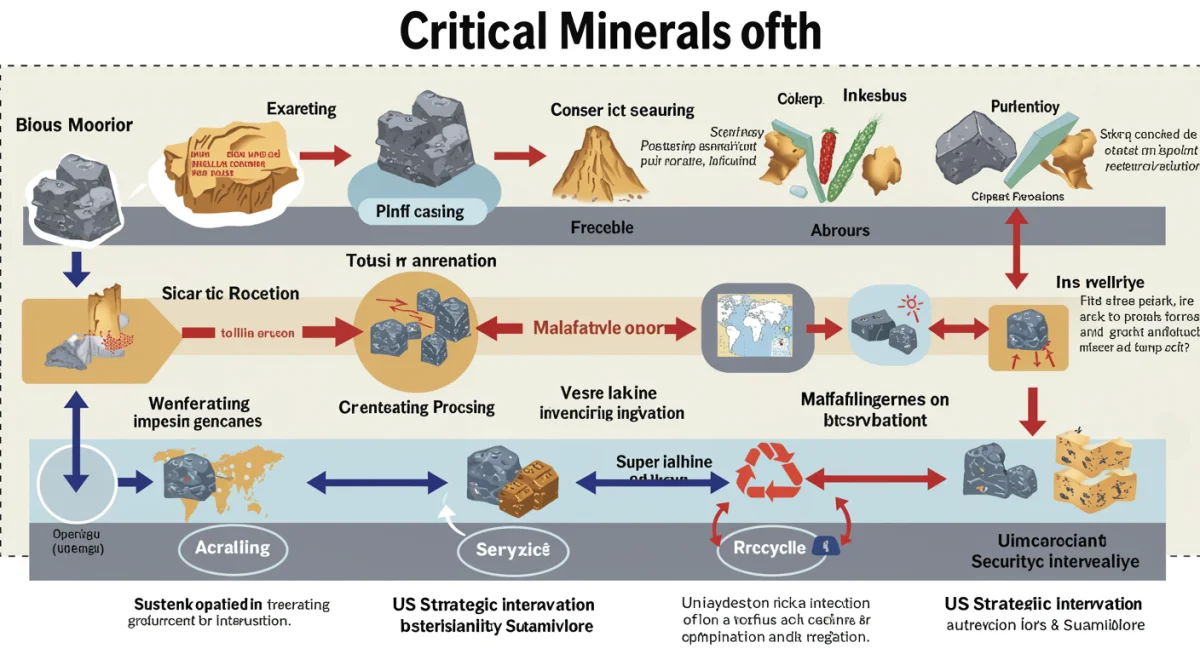
The emphasis on environmental protection and sustainable practices within the 2025 framework demonstrates a commitment to not only securing resources but also doing so in a manner that benefits both people and the planet. This balanced approach is crucial for long-term success and global acceptance.
The path forward: implementation and challenges
Implementing the 2025 US geopolitical framework for critical minerals will be a complex undertaking, fraught with challenges but also offering immense opportunities. The path forward requires sustained commitment, innovative solutions, and broad collaboration across government, industry, and international partners.
Translating the strategic vision into concrete actions will involve overcoming significant hurdles, including high capital costs, regulatory complexities, and the need to develop a skilled workforce. However, the urgency of the situation demands a relentless pursuit of these objectives to secure the nation’s future.
Overcoming implementation hurdles
Several practical challenges must be addressed to successfully implement the framework. These include securing adequate funding, streamlining permitting processes for new mines and processing facilities, and developing the necessary technological infrastructure.
- Funding mechanisms: Establishing robust public-private partnerships and incentives to attract investment in domestic critical mineral projects.
- Regulatory reform: Modernizing and expediting permitting processes while maintaining stringent environmental and social safeguards.
- Workforce development: Investing in education and training programs to cultivate a skilled workforce for mining, processing, and recycling industries.
Continuous adaptation and monitoring
The global critical mineral landscape is dynamic, requiring the framework to be adaptable and responsive to new developments. Continuous monitoring of supply chains, technological advancements, and geopolitical shifts will be essential for its long-term effectiveness.
This includes regular reviews of the framework’s progress, adjusting strategies as needed, and fostering an environment of continuous innovation. The ability to pivot and adapt will be a defining characteristic of a successful critical minerals strategy.
The implementation of the 2025 framework represents a crucial step in securing the United States’ long-term economic and national security interests. While challenges are significant, the strategic imperative to ensure a stable supply of critical minerals makes this effort non-negotiable. The path forward requires a concerted and collaborative national effort.
| Key Point | Brief Description |
|---|---|
| Diversifying Supply | Reducing reliance on single sources through international partnerships and new explorations. |
| Domestic Production | Boosting US extraction and processing capabilities to enhance self-sufficiency. |
| Geopolitical Alliances | Strengthening ties with allies to collectively secure critical mineral access and counter risks. |
| Sustainability Focus | Emphasizing responsible mining, ethical sourcing, and advanced recycling methods. |
Frequently asked questions about critical mineral security
Critical minerals are raw materials essential for modern technologies and national security, whose supply chains are vulnerable to disruption. They are vital for defense, electronics, and the clean energy transition, making their secure access a top US priority.
The framework aims to reduce foreign reliance by diversifying supply through international partnerships, investing in domestic extraction and processing, and promoting recycling to create a more resilient and self-sufficient supply chain.
International alliances are crucial for sharing resources, coordinating investments, and establishing ethical sourcing standards. Collaborative efforts with allies help to mitigate geopolitical risks and ensure a stable global supply network.
Securing these supply chains can create jobs in mining and processing, stimulate technological innovation, and reduce economic vulnerability to international market fluctuations and geopolitical pressures, fostering long-term stability.
The framework prioritizes sustainable practices, including responsible sourcing, minimizing environmental impact through new technologies, and promoting a circular economy via advanced recycling to ensure ethical and ecological mineral production.
Conclusion
Securing global supply chains: a 2025 US geopolitical framework for critical minerals is a comprehensive and forward-looking strategy designed to fortify the nation’s economic and national security in an increasingly competitive global environment. By focusing on diversification, domestic capacity building, strategic alliances, and sustainable practices, the United States is taking proactive steps to ensure reliable access to the materials vital for its future prosperity and technological leadership. The success of this framework hinges on continued collaboration, innovation, and unwavering commitment to its ambitious goals, ultimately shaping a more resilient and secure future for America.