Countering Disinformation: A 2025 US Geopolitical Defense Model
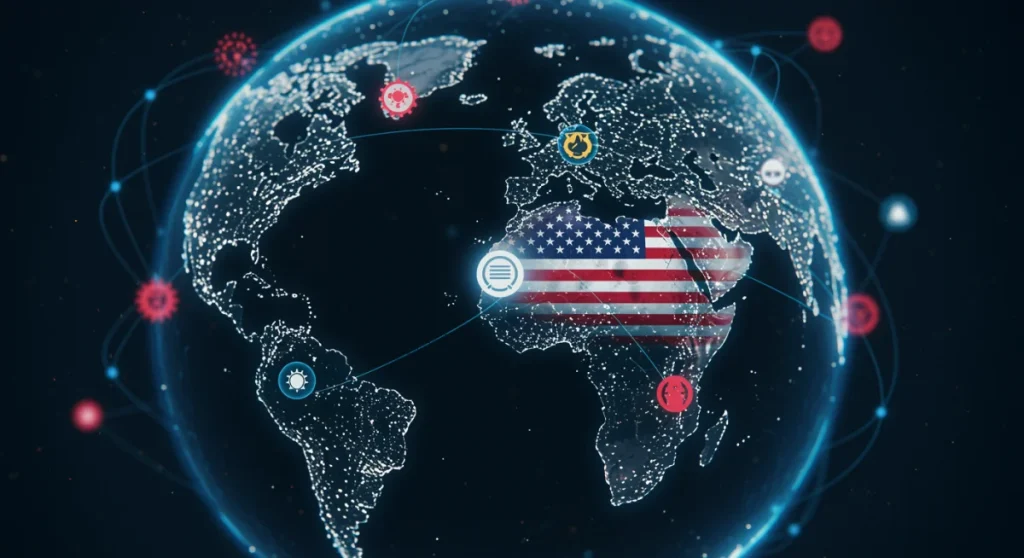
The 2025 US geopolitical defense model against disinformation campaigns emphasizes a multi-faceted approach, integrating advanced technology, international collaboration, and public resilience to protect democratic processes and national interests from foreign interference.
In an increasingly interconnected yet polarized world, the threat of foreign disinformation campaigns poses a significant challenge to national security and democratic integrity. This article explores the evolving landscape of information warfare and outlines a robust Countering Disinformation Campaigns: A 2025 US Geopolitical Defense Model designed to protect American interests and values.
The Evolving Landscape of Information Warfare
The nature of conflict has fundamentally shifted, moving beyond traditional kinetic engagements to encompass persistent, pervasive information operations. Adversaries now leverage digital platforms to sow discord, erode trust in institutions, and influence public opinion, often with subtle but devastating effects. Understanding this evolution is the first step in developing an effective defense.
Disinformation is no longer a fringe tactic; it’s a core component of modern geopolitical strategy. State and non-state actors exploit vulnerabilities in information ecosystems, using automated networks, deepfakes, and sophisticated psychological operations to achieve strategic objectives. The speed and scale at which false narratives can spread make them particularly potent weapons in the digital age.
The Rise of AI-Generated Disinformation
Artificial intelligence has dramatically lowered the barrier to entry for disinformation campaigns, enabling the creation of highly convincing, scalable, and personalized content. This includes:
- Deepfakes: Hyper-realistic manipulated audio and video that can impersonate public figures.
- Generative Text: AI models producing vast amounts of coherent, persuasive, and deceptive narratives.
- Automated Bot Networks: Sophisticated algorithms that can spread disinformation rapidly across multiple platforms.
These advancements necessitate a defense model that is equally agile and technologically adept. The challenge lies not just in identifying individual pieces of disinformation, but in understanding and disrupting the entire influence operation lifecycle.
The sheer volume of information, coupled with declining media literacy in some segments of the population, creates fertile ground for disinformation to thrive. This evolving threat demands a comprehensive and proactive defense strategy that extends beyond mere detection to encompass resilience, deterrence, and robust international cooperation.
Pillars of the 2025 US Geopolitical Defense Model
A successful defense against disinformation requires a multi-pronged approach, integrating technological innovation, strategic communication, and civil society engagement. The 2025 model is built upon several foundational pillars designed to create a resilient and adaptable defense posture.
These pillars are interconnected, recognizing that no single solution can address the complexity of modern information warfare. They represent a holistic strategy aimed at both disrupting adversarial campaigns and strengthening domestic resistance to manipulation.
Technological Innovation and Cyber Defense
At the forefront of the defense model is the continuous investment in advanced technologies to detect, analyze, and counter disinformation. This includes:
- AI-Powered Detection: Developing sophisticated AI tools to identify deepfakes, bot networks, and coordinated inauthentic behavior.
- Data Forensics: Enhancing capabilities to trace the origins and propagation of disinformation campaigns.
- Cybersecurity Infrastructure: Fortifying critical digital infrastructure against cyberattacks that could be precursors or amplifiers of disinformation.
Beyond detection, the model emphasizes developing offensive cyber capabilities to disrupt and dismantle adversarial disinformation networks, while adhering to international norms and legal frameworks. This technological edge is crucial for staying ahead of rapidly evolving threats.
The defense model also stresses the importance of public-private partnerships in technological development, recognizing that government agencies alone cannot keep pace with the innovation cycles of the tech industry. Collaboration with Silicon Valley and academic research institutions is vital.
Strategic Communication and Narrative Resilience
Countering disinformation isn’t solely about blocking false narratives; it’s also about proactively shaping and reinforcing truthful ones. Strategic communication forms a critical component of the 2025 defense model, focusing on building narrative resilience both domestically and abroad.
This involves developing robust communication strategies that are agile, credible, and culturally attuned. The goal is to preemptively inoculate populations against false narratives by providing accurate information from trusted sources, thereby reducing the impact of adversarial influence operations.
Empowering Independent Media and Journalism
A free and vibrant press is the cornerstone of a healthy information environment. The defense model advocates for initiatives that:
- Support Investigative Journalism: Funding and protecting journalists who expose disinformation and corruption.
- Promote Media Literacy: Educating the public on how to critically evaluate information and identify manipulative tactics.
- Diversify Information Sources: Encouraging a plurality of voices and perspectives to prevent monopolization of information.
By strengthening independent media, the US can foster an ecosystem where truth can compete effectively against falsehoods. This also involves working with international partners to support media freedom globally.
Furthermore, the model encourages government agencies to be transparent and proactive in their communication, providing timely and accurate information to counter rumors and false claims before they gain traction. This builds public trust, which is essential for narrative resilience.
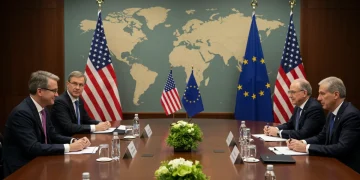
International Cooperation and Alliance Building
Disinformation campaigns are often transnational, making international cooperation indispensable for an effective defense. The 2025 model prioritizes strengthening alliances and forging new partnerships to collectively address this global threat.
Sharing intelligence, best practices, and technological solutions with allies amplifies defensive capabilities and creates a more robust global front against information warfare. This collaborative approach recognizes that an attack on one nation’s information space can have ripple effects across the international community.
Joint Threat Analysis and Response Protocols
- Real-time Intelligence Sharing: Rapid exchange of information on emerging disinformation threats and tactics.
- Coordinated Response Strategies: Developing joint protocols for identifying, attributing, and responding to adversarial campaigns.
- Capacity Building: Assisting partner nations in strengthening their own defenses against disinformation.
These joint efforts not only enhance detection and response but also serve as a deterrent by demonstrating a unified and formidable defense. The goal is to make the cost of launching disinformation campaigns prohibitively high for adversaries.
The model also emphasizes working with international organizations and multilateral forums to establish norms and standards for responsible state behavior in the information environment. This includes advocating for treaties and agreements that discourage the use of disinformation as a tool of statecraft.
Building Societal Resilience and Critical Thinking
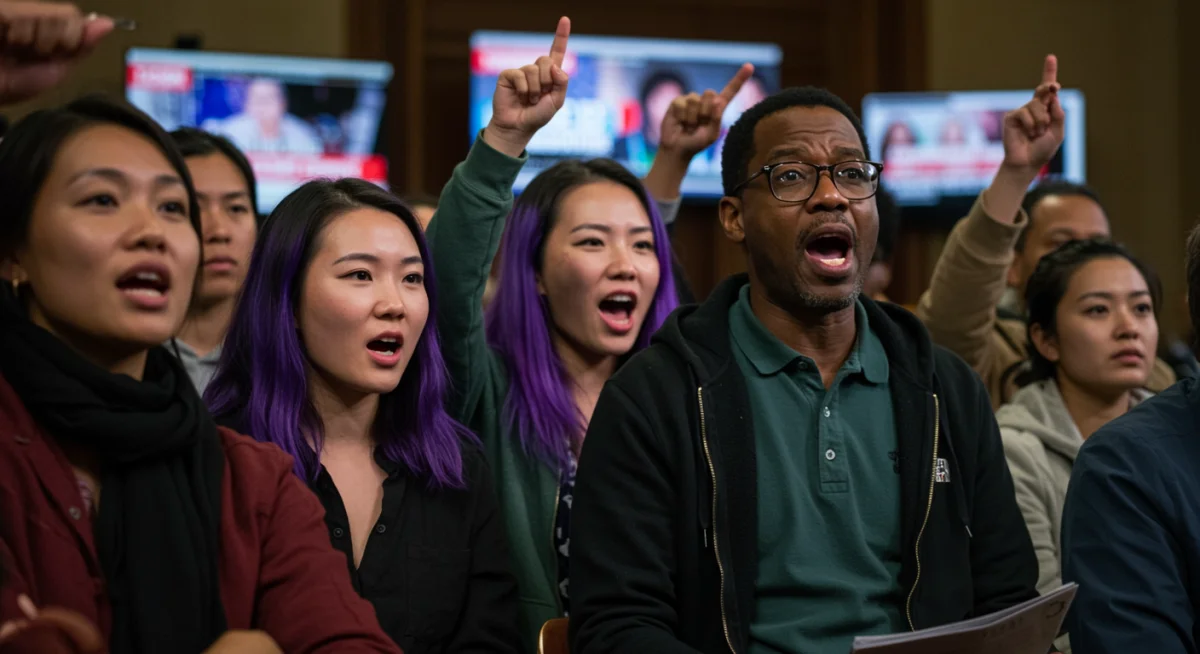
Ultimately, the most powerful defense against disinformation lies within the population itself. The 2025 model places significant emphasis on fostering societal resilience through education, media literacy, and community engagement, empowering citizens to be discerning consumers of information.
This involves a long-term investment in public education that equips individuals with the tools to critically evaluate information, recognize manipulative techniques, and understand the motivations behind disinformation campaigns. A well-informed populace is less susceptible to manipulation.
Promoting Digital Literacy and Media Education
Key initiatives include:
- Curriculum Development: Integrating media literacy and critical thinking into educational curricula from an early age.
- Public Awareness Campaigns: Launching national campaigns to inform citizens about common disinformation tactics and how to verify sources.
- Community Programs: Supporting local initiatives that promote dialogue and shared understanding around complex issues.
By investing in digital literacy, the US aims to create a society that is not only resistant to disinformation but also capable of actively contributing to a healthier information environment. This is a generational effort that requires sustained commitment.
The model also recognizes the importance of fostering civil discourse and reducing societal polarization, as these factors often create vulnerabilities that adversaries exploit. Promoting empathy and understanding across different viewpoints is a crucial element of building resilience.
Legal and Regulatory Frameworks for the Digital Age
The rapid evolution of disinformation tactics often outpaces existing legal and regulatory frameworks. The 2025 defense model calls for a review and modernization of laws and policies to effectively address the challenges posed by information warfare, balancing security with freedom of speech.
This includes examining how to hold platforms accountable for the unchecked spread of harmful content, while avoiding censorship or infringing on fundamental rights. It’s a delicate balance that requires careful consideration and broad consensus.
Addressing Platform Accountability and Transparency
Efforts in this area include:
- Content Moderation Guidelines: Working with social media companies to establish clearer and more consistent content moderation policies.
- Algorithmic Transparency: Encouraging platforms to be more transparent about how their algorithms amplify or suppress information.
- Data Privacy Regulations: Strengthening data privacy laws to prevent the misuse of personal information for targeted disinformation.
The goal is to create an online environment where platforms are incentivized to act responsibly and where users have greater control over their information. This requires ongoing dialogue between government, industry, and civil society.
Furthermore, the model explores legal avenues for attributing and sanctioning state-sponsored disinformation actors, thereby raising the costs for those who engage in information warfare. International legal cooperation will be key to enforcing such measures effectively.
Measuring Impact and Adapting the Model
An effective defense model must be dynamic, continuously adapting to new threats and evaluating its own efficacy. The 2025 US geopolitical defense model includes robust mechanisms for measuring the impact of disinformation campaigns and assessing the effectiveness of countermeasures.
This means moving beyond anecdotal evidence to employ data-driven analysis, leveraging advanced metrics and research methodologies to understand the evolving information landscape. Without accurate measurement, it’s impossible to know what strategies are working and where adjustments are needed.
Continuous Threat Assessment and Research
Key components include:
- Real-time Monitoring: Establishing sophisticated systems for continuously tracking disinformation narratives and their spread.
- Academic Partnerships: Collaborating with universities and research institutions to conduct studies on the psychological and sociological impacts of disinformation.
- Simulation and Wargaming: Conducting exercises to test defense strategies against simulated adversarial campaigns.
This continuous cycle of assessment and adaptation ensures that the defense model remains relevant and effective in a rapidly changing threat environment. It’s an iterative process that requires flexibility and a willingness to learn from both successes and failures.
The model also emphasizes the importance of sharing findings and lessons learned with allies and partners, contributing to a collective understanding of disinformation and fostering a global community of practice in countering it. This shared knowledge is a powerful asset in the ongoing information struggle.
| Key Aspect | Brief Description |
|---|---|
| Technological Defense | Advanced AI for deepfake detection, bot network identification, and cyber infrastructure fortification. |
| Strategic Communication | Proactive narrative shaping, media literacy promotion, and support for independent journalism. |
| International Cooperation | Intelligence sharing, joint response protocols, and capacity building with global allies. |
| Societal Resilience | Education in digital literacy, critical thinking, and community engagement to empower citizens. |
Frequently Asked Questions About Disinformation Defense
Disinformation is false information deliberately created and spread to deceive or manipulate, often by state actors. Misinformation, conversely, is false information spread without malicious intent, though it can still cause harm. The key difference lies in the intent to deceive.
The rapid evolution of AI and digital platforms demands a constantly updated defense model. Adversaries’ tactics are increasingly sophisticated, requiring continuous adaptation of strategies, technologies, and international cooperation to stay ahead of emerging threats.
AI can generate highly convincing deepfakes and narratives, amplifying disinformation. Simultaneously, AI is crucial for developing advanced detection tools, identifying patterns of inauthentic behavior, and analyzing vast amounts of data to expose campaigns.
Citizens are vital by practicing critical thinking, verifying sources, and being mindful of information shared online. Engaging in media literacy programs and supporting credible journalism also strengthens societal resilience against manipulative narratives.
International cooperation enables shared intelligence, coordinated responses, and joint technological development. By working together, nations can build a stronger, more unified front against transnational disinformation campaigns, making them less effective and more costly for adversaries.
Conclusion
The threat of disinformation is not merely a technical challenge but a profound geopolitical one, demanding a comprehensive and adaptive response. The 2025 US geopolitical defense model represents a strategic imperative, integrating cutting-edge technology, robust strategic communication, deep international collaboration, and empowered societal resilience. By investing in these pillars, the United States can effectively safeguard its democratic institutions, protect its national interests, and maintain stability in an increasingly complex global information environment. This ongoing commitment to an agile and multi-faceted defense is essential for navigating the information age successfully.