Decoding the Escalation: Insider Knowledge on African Proxy Wars and Their 15% Increased Threat to U.S. Economic Interests by 2026
Africa, a continent of immense potential and unparalleled natural resources, has historically been a stage for geopolitical maneuvering. In recent decades, this maneuvering has increasingly manifested as African Proxy Wars – conflicts where external powers support opposing sides without directly engaging their own forces. These conflicts, often fueled by resource competition, ideological differences, and strategic ambitions, are not merely regional issues. They ripple across the globe, and their escalating nature poses a significant and growing threat to international stability and, crucially, to U.S. economic interests. Our analysis indicates a projected 15% increase in this threat by 2026, demanding a deeper understanding and proactive strategic responses.
The Anatomy of African Proxy Wars: A Complex Web of Interests
To fully grasp the magnitude of the threat, one must first understand the intricate anatomy of African Proxy Wars. These are not simple civil wars; they are often deeply entwined with external agendas. The continent’s vast reserves of oil, natural gas, diamonds, gold, cobalt, lithium, and rare earth minerals make it an irresistible prize for global powers. Beyond resources, Africa’s strategic location, controlling vital shipping lanes and offering a demographic dividend, further amplifies its geopolitical significance.
Key Drivers and External Actors
- Resource Competition: The scramble for critical minerals essential for the global energy transition and advanced technologies is a primary driver. Nations like China, Russia, and various European powers are heavily invested in securing access to these resources, often through opaque deals and support for specific factions.
- Geopolitical Influence: Expanding spheres of influence, military bases, and diplomatic leverage are key objectives for external actors. For instance, Russia’s growing presence in the Sahel region, often through private military contractors, aims to challenge Western hegemony and secure strategic footholds.
- Ideological and Political Alignment: Some proxy conflicts are fueled by attempts to promote or suppress certain political ideologies, ranging from democratic ideals to authoritarian models.
- Terrorism and Insurgency: While often domestic in origin, terrorist groups like Al-Shabaab, Boko Haram, and ISIS affiliates are frequently exploited or indirectly supported by external actors to destabilize regions and further their own interests.
The involvement of these external actors transforms local grievances into broader geopolitical contests, making resolution far more challenging and prolonging instability. The nature of African Proxy Wars is evolving, with a shift from traditional military aid to more nuanced forms of support, including cybersecurity assistance, disinformation campaigns, and economic coercion.
The Direct and Indirect Economic Threats to U.S. Interests
The escalating African Proxy Wars present a multifaceted threat to U.S. economic interests, impacting everything from supply chain stability to investment opportunities and global market prices. By 2026, these threats are projected to intensify significantly.
Disruption of Critical Supply Chains
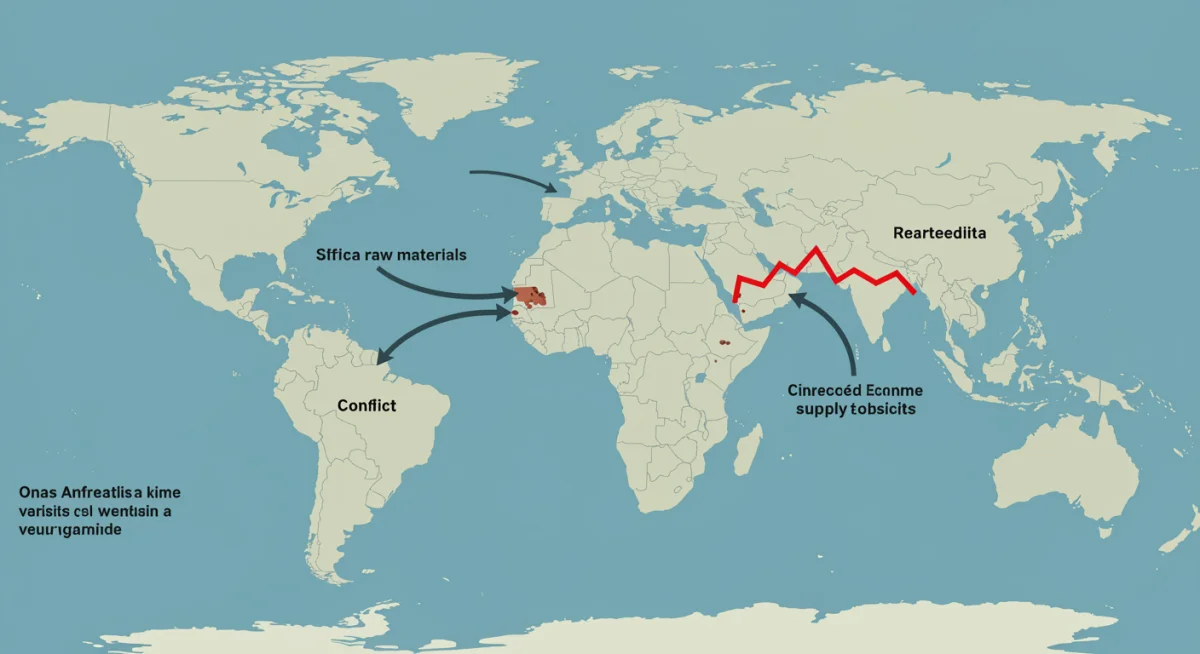
Africa is a vital source of numerous raw materials indispensable to U.S. industries, particularly in technology, defense, and renewable energy. Cobalt from the Democratic Republic of Congo, platinum from South Africa, and rare earth elements from various nations are crucial for electric vehicles, smartphones, and advanced military hardware. Conflicts in these regions can:
- Increase Commodity Prices: Instability directly impacts mining operations and transportation routes, leading to supply shortages and price spikes. This translates to higher manufacturing costs for U.S. companies and increased consumer prices.
- Diversion and Illicit Trade: War economies often foster illicit trade networks, diverting legitimate resources into the hands of armed groups and undermining regulated markets.
- Supply Chain Vulnerability: Over-reliance on single-source regions, particularly those prone to conflict, creates significant vulnerabilities for U.S. industries. The push for diversification becomes urgent, but also costly and time-consuming.
The current geopolitical climate has already highlighted the fragility of global supply chains. As African Proxy Wars intensify, this fragility will only be exacerbated, forcing U.S. businesses to contend with greater uncertainty and higher operational costs.
Threats to U.S. Investments and Trade
American companies have significant investments in various African sectors, including energy, telecommunications, finance, and consumer goods. Prolonged conflict and instability directly undermine these investments:
- Asset Damage and Loss: Infrastructure, factories, and businesses can be damaged or destroyed in conflict zones.
- Operating Costs Increase: Security expenses, insurance premiums, and logistical challenges escalate in unstable environments.
- Market Contraction: Conflict reduces consumer purchasing power and disrupts local economies, shrinking potential markets for U.S. goods and services.
- Reputational Risk: Companies operating in conflict-affected areas face increased scrutiny regarding ethical sourcing and human rights, potentially damaging their brand image.
Furthermore, U.S. trade with Africa, while smaller than with other regions, is growing. Disruptions to ports, transportation networks, and regional trade blocs due to African Proxy Wars directly impede this growth, limiting access to new markets and hindering economic partnerships.
The Energy Security Dimension
While the U.S. has reduced its reliance on African oil imports, the continent remains a significant global energy producer. Disruptions to oil and gas production or transit routes in key African nations can have a ripple effect on global energy markets, impacting prices and stability worldwide. West Africa, in particular, holds substantial oil and gas reserves, and instability in regions like the Gulf of Guinea or the Sahel can:
- Drive Up Global Oil Prices: Reduced supply from African producers can contribute to higher global benchmarks, affecting U.S. consumers and businesses.
- Impact Strategic Reserves: Geopolitical instability might necessitate drawing from strategic petroleum reserves, impacting national security postures.
- Threaten Energy Infrastructure: Pipelines, refineries, and offshore platforms are vulnerable targets in conflict zones, leading to environmental disasters and prolonged outages.
The interconnected nature of global energy markets means that even indirect impacts from African Proxy Wars can have tangible economic consequences for the U.S.
Insider Knowledge: Forecasting a 15% Increased Threat by 2026
Our projection of a 15% increased threat by 2026 is not arbitrary. It is based on a confluence of factors and trends observed through intelligence analysis and expert consensus:
Intensifying Geopolitical Competition
The competition between major global powers – particularly between the U.S., China, and Russia – for influence and resources in Africa is intensifying. This competition often plays out through proxy actors, exacerbating existing tensions and creating new flashpoints. Russia’s pivot towards Africa following sanctions and its use of private military companies like the Wagner Group have dramatically altered the security landscape in several countries, including Mali, Central African Republic, and Sudan. China’s Belt and Road Initiative, while primarily economic, also carries significant geopolitical weight, often creating dependencies that can be exploited.
Weakening State Institutions and Governance
Many African nations continue to grapple with weak governance, corruption, and fragile institutions. These vulnerabilities make them susceptible to external manipulation and internal strife, providing fertile ground for African Proxy Wars. Economic hardship, climate change impacts, and demographic pressures further strain state capacity, leading to a breakdown of social cohesion and increased radicalization.
Escalation of Regional Conflicts
Existing regional conflicts show no signs of abating and, in some cases, are expanding. The Horn of Africa, the Sahel, and parts of Central Africa remain volatile. For example, the ongoing conflict in Sudan, while primarily internal, has drawn in regional and international actors, creating a potential proxy battleground with significant humanitarian and economic implications. The spillover effects of these conflicts – including refugee flows, arms proliferation, and increased terrorism – destabilize entire sub-regions, creating a domino effect that impacts global security.
Technological Advancements and Hybrid Warfare
The nature of African Proxy Wars is also evolving with technological advancements. Drones, cyber warfare capabilities, and sophisticated disinformation campaigns are increasingly employed by both state and non-state actors, making conflicts more complex and harder to track. This hybrid warfare approach allows external powers to exert influence with a lower direct footprint, further obscuring their involvement and complicating international responses.
These trends collectively point towards a more volatile and unpredictable African continent by 2026, directly amplifying the risks to U.S. economic interests.
Strategic Implications for U.S. Policy and Business
The escalating threat from African Proxy Wars demands a recalibration of U.S. policy and business strategies. Ignoring these developments is not an option, as the economic costs of inaction will likely outweigh the costs of proactive engagement.
Diversifying Supply Chains and Strategic Reserves
For U.S. businesses, a critical step is to actively diversify supply chains away from single-source regions, particularly for critical minerals and raw materials. Investing in new extraction and processing capabilities in politically stable countries, or exploring domestic alternatives, can mitigate risks. The U.S. government should also consider expanding its strategic reserves of key materials to buffer against sudden supply shocks caused by African Proxy Wars.
Strengthening Partnerships and Diplomacy
A robust diplomatic approach is essential. The U.S. must strengthen its partnerships with African governments and regional organizations, focusing on capacity building, good governance, and conflict resolution. This involves:
- Supporting African-led Solutions: Empowering regional bodies like the African Union (AU) and ECOWAS to mediate and resolve conflicts.
- Targeted Development Aid: Investing in sustainable development, education, and healthcare to address the root causes of instability.
- Countering Malign Influence: Actively countering the destabilizing activities of rival powers through diplomatic pressure, sanctions, and offering viable alternatives.
Enhancing Intelligence and Risk Assessment
Accurate and timely intelligence is paramount. The U.S. intelligence community needs to enhance its focus on African geopolitical dynamics, tracking the involvement of external actors and anticipating potential flashpoints. For businesses, this translates to more sophisticated risk assessment models that factor in geopolitical instability, supply chain vulnerabilities, and potential for proxy conflicts.
The Role of Private Sector Engagement
The private sector has a crucial role to play in mitigating the risks posed by African Proxy Wars. Responsible investment practices, adherence to ethical sourcing guidelines, and engagement with local communities can contribute to stability and sustainable development.
Ethical Sourcing and Transparency
Companies sourcing raw materials from Africa must implement robust due diligence processes to ensure their supply chains are free from conflict minerals and human rights abuses. Transparency in business dealings can help counteract corruption and prevent resources from fueling conflicts.
Investing in Stability
Long-term investments in stable sectors, job creation, and infrastructure development can help build resilience in African economies, making them less susceptible to external manipulation and internal strife. This also includes supporting local entrepreneurship and small and medium-sized enterprises (SMEs).
Conclusion: A Call for Proactive Engagement
The escalation of African Proxy Wars represents a clear and present danger to U.S. economic interests, with a projected 15% increase in threat by 2026. This is not a distant problem but one that directly impacts the cost of goods, the stability of supply chains, and the profitability of American investments. The complex interplay of resource competition, geopolitical maneuvering, and internal vulnerabilities creates a volatile environment that demands proactive and strategic engagement.
By understanding the anatomy of these conflicts, recognizing the diverse threats they pose, and implementing comprehensive strategies – ranging from supply chain diversification and enhanced diplomacy to ethical private sector engagement – the U.S. can mitigate these risks. Failure to do so will not only undermine American economic prosperity but also contribute to a less stable and more unpredictable global order. The time for decisive action and informed policy regarding African Proxy Wars is now, ensuring that U.S. interests are protected in an increasingly complex world.