The 2025 landscape of AI-driven cyberattacks will demand advanced, proactive defense strategies for U.S. businesses to counter sophisticated threats leveraging artificial intelligence for enhanced speed and evasion.
The digital frontier is constantly evolving, and by 2025, the threat landscape for U.S. businesses will be profoundly shaped by artificial intelligence. Understanding the 2025 landscape of AI-driven cyberattacks: what U.S. businesses need to know and how to defend is no longer optional, but a critical imperative for survival and sustained growth in an increasingly interconnected world.
The Evolution of AI in Cyberattacks
Artificial intelligence, once a tool primarily associated with innovation and efficiency, has rapidly become a potent weapon in the hands of cyber adversaries. Its ability to process vast amounts of data, identify patterns, and automate complex tasks has fundamentally altered the paradigm of cyber warfare.
In 2025, AI will not just assist human attackers; it will increasingly act autonomously, executing sophisticated attacks with minimal human oversight. This shift means that traditional, reactive defense mechanisms are becoming obsolete, demanding a complete re-evaluation of cybersecurity strategies for U.S. businesses.
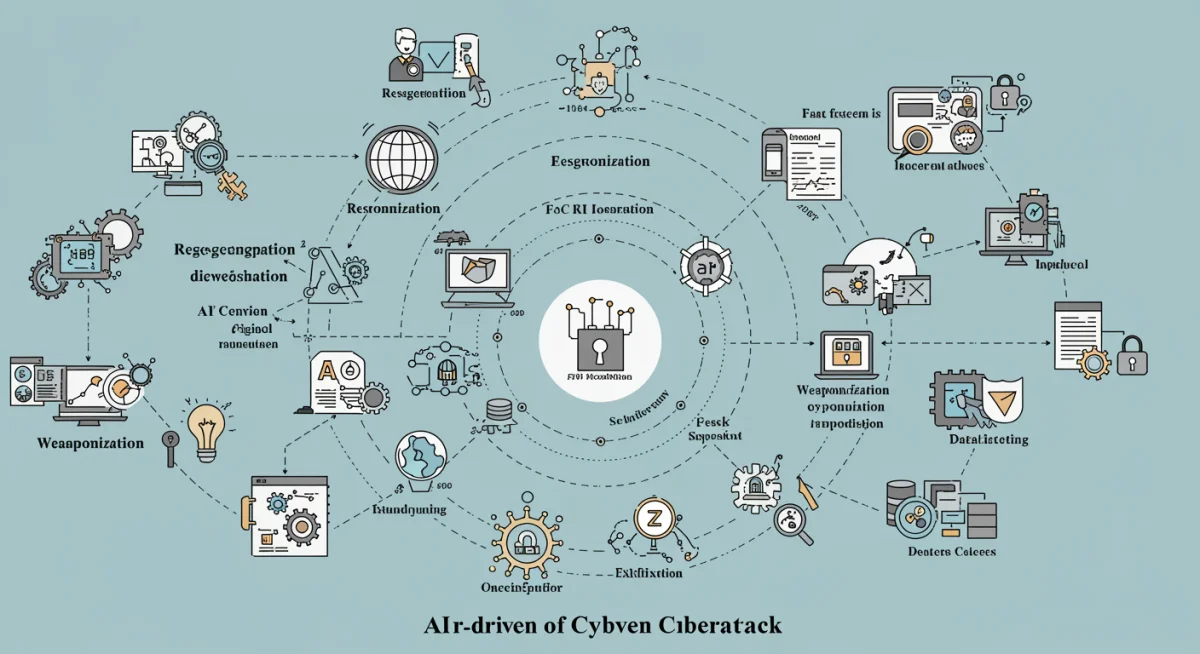
AI-Powered Reconnaissance and Weaponization
AI’s capacity for data analysis makes it incredibly effective at reconnaissance. Attackers use AI to:
- Scan vast networks for vulnerabilities at unprecedented speeds.
- Analyze social media and public records to craft highly personalized phishing campaigns.
- Identify weak points in an organization’s digital footprint, including misconfigurations and outdated software.
Furthermore, AI aids in the weaponization phase, generating polymorphic malware that can evade detection and adapt its behavior to bypass security systems. This adaptability makes it significantly harder for signature-based detection systems to keep up.
Automated Attack Execution and Evasion
Beyond reconnaissance, AI is increasingly used for automating the attack execution itself. This includes:
- Launching distributed denial-of-service (DDoS) attacks with dynamic IP rotations.
- Brute-forcing credentials with intelligent guess-work algorithms.
- Exploiting zero-day vulnerabilities in real-time, adjusting attack vectors instantly.
The ability of AI to learn from defensive responses and modify its approach mid-attack poses a significant challenge. This dynamic evasion capability means that a static defense is effectively no defense at all against these advanced threats. Understanding these evolving tactics is the first step towards building resilient defenses.
The integration of AI into cyberattack methodologies marks a critical turning point, demanding that U.S. businesses understand these new capabilities to adequately prepare their defenses for 2025.
Emerging AI-Driven Threats for U.S. Businesses
As AI technology matures, so too do the threats it enables. U.S. businesses, regardless of their size or industry, face a new generation of cyber risks that are more insidious and harder to detect than ever before. These threats leverage AI to enhance their reach, speed, and sophistication, making proactive defense paramount.
The sophistication of AI allows for attacks that are not only faster but also more targeted and personalized, eroding the efficacy of generic security measures. Businesses must anticipate these specific threats to build effective countermeasures.
Deepfakes and Sophisticated Social Engineering
Deepfakes, AI-generated synthetic media, are no longer a niche concern. By 2025, they will be weaponized for highly convincing social engineering attacks. Imagine:
- Voice deepfakes impersonating CEOs to authorize fraudulent wire transfers.
- Video deepfakes used to manipulate stock prices or spread disinformation about a company.
- AI-generated emails and messages that mimic human communication patterns perfectly, bypassing traditional spam filters.
These attacks exploit human trust and are incredibly difficult to verify without specialized tools. Training employees to recognize these advanced social engineering tactics will be crucial.
Autonomous Malware and Swarm Attacks
Autonomous malware, powered by AI, can operate independently, making decisions and adapting its behavior without constant human input. This leads to:
- Self-propagating worms that intelligently navigate complex networks.
- AI-driven botnets capable of coordinating ‘swarm attacks,’ overwhelming targets from multiple, continuously shifting vectors.
- Malware that learns from network traffic and security responses to remain undetected for longer periods.
Such attacks can rapidly escalate, causing widespread disruption before human defenders can react. The speed and scale of these threats necessitate automated, AI-powered defenses to match the attack’s agility.
The landscape of AI-driven threats is dynamic and ever-expanding. U.S. businesses must remain vigilant, continuously updating their threat intelligence and adapting their security posture to counter these evolving challenges effectively.
Impact on Critical Infrastructure and Supply Chains
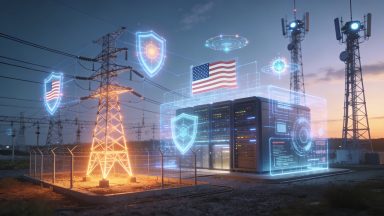
The implications of AI-driven cyberattacks extend far beyond individual corporate networks, posing significant risks to vital national assets. Critical infrastructure and complex supply chains are particularly vulnerable due to their interconnectedness and foundational role in society. The ripple effects of a successful attack in these sectors could be catastrophic.
The reliance on digital systems for managing everything from power grids to logistics makes these sectors prime targets for adversaries looking to cause widespread disruption or economic damage. AI’s capabilities amplify these risks significantly.
Targeting Energy Grids and Transportation Systems
AI-driven attacks can precisely target operational technology (OT) systems that control critical infrastructure. For instance:
- AI could identify and exploit vulnerabilities in SCADA systems managing power distribution, leading to blackouts.
- Autonomous agents could disrupt air traffic control systems or railway networks, causing severe logistical failures.
- Water treatment facilities and communication networks are also at high risk, potentially impacting public health and safety.
The ability of AI to learn the intricacies of these complex systems allows for more sophisticated and harder-to-detect intrusions, making traditional perimeter defenses insufficient.
Supply Chain Exploitation via AI
The global supply chain is a complex web of interconnected entities, and AI can be used to identify the weakest links for exploitation. Attackers might:
- Use AI to map out supply chain dependencies and identify critical vendors with lax security.
- Inject malicious code into software components at an early stage, affecting numerous downstream users (e.g., SolarWinds-esque attacks).
- Manipulate logistics data to disrupt the flow of goods, causing economic paralysis.
Securing the entire supply chain requires a collaborative effort, as a vulnerability in one small component can compromise the security of many larger organizations. U.S. businesses must demand higher security standards from their third-party vendors and integrate supply chain risk management into their overall cybersecurity strategy.
Protecting critical infrastructure and supply chains from AI-driven cyberattacks requires a national-level coordinated effort alongside robust individual business defenses, recognizing the systemic nature of these threats.
Proactive Defense Strategies for U.S. Businesses
In the face of escalating AI-driven cyber threats, a reactive security posture is no longer viable. U.S. businesses must adopt proactive and adaptive defense strategies that leverage AI themselves to counter sophisticated attacks. This paradigm shift involves anticipating threats, building resilience, and continuously evolving security practices.
Moving from a purely defensive stance to an offensive-minded defense, where organizations actively hunt for threats and predict attack vectors, is crucial. This requires investment in both technology and human expertise.
Implementing AI-Powered Security Solutions
To combat AI-driven attacks, businesses need to deploy AI-powered security tools that can:
- Anomaly Detection: AI systems can continuously monitor network traffic and user behavior to identify deviations from normal patterns, flagging suspicious activities that human analysts might miss.
- Threat Intelligence: AI algorithms can process vast amounts of global threat data, predict emerging attack patterns, and provide actionable intelligence in real-time.
- Automated Incident Response: AI can automate parts of the incident response process, such as isolating compromised systems, patching vulnerabilities, and analyzing attack forensics, drastically reducing response times.
These solutions offer a dynamic defense that can adapt to new threats as they emerge, providing a crucial advantage against polymorphic and evasive malware.
Zero Trust Architecture and Microsegmentation
Adopting a Zero Trust security model is fundamental. This approach assumes that no user or device, whether inside or outside the network, should be trusted by default. Key components include:
- Strict Identity Verification: Every access request is rigorously authenticated and authorized, regardless of its origin.
- Least Privilege Access: Users and applications are granted only the minimum necessary access to perform their tasks.
- Microsegmentation: Networks are divided into small, isolated segments, limiting the lateral movement of attackers even if one segment is compromised.
This architectural shift significantly reduces the attack surface and contains breaches, making it harder for AI-driven threats to spread throughout an organization’s infrastructure.
Proactive defense is about building layers of security that are intelligent, adaptable, and resilient. By embracing AI-powered solutions and robust architectural principles, U.S. businesses can significantly strengthen their cybersecurity posture against the threats of 2025.
The Role of Human Expertise and Training
While AI-powered security solutions are indispensable, they are not a silver bullet. The human element remains critical in the fight against AI-driven cyberattacks. Expert human intelligence, coupled with continuous training, provides the nuanced understanding, strategic foresight, and ethical judgment that machines currently lack.
Cybersecurity is a continuous arms race, and human ingenuity is essential to staying one step ahead. Technology provides the tools, but people provide the strategy and the critical thinking necessary to wield them effectively.
Cybersecurity Talent Development
U.S. businesses must invest heavily in developing and retaining skilled cybersecurity professionals. This includes:
- Upskilling Current Staff: Providing ongoing training in AI-driven threat analysis, incident response, and advanced security architectures.
- Recruiting New Talent: Actively seeking individuals with expertise in AI, machine learning, and data science to bolster security teams.
- Cross-Functional Training: Educating IT, legal, and executive teams on the implications of AI-driven threats and their respective roles in defense.
A well-trained and knowledgeable workforce is better equipped to interpret AI-generated alerts, make informed decisions, and respond effectively to complex incidents.
Employee Awareness and Education Programs
The human factor is often the weakest link in cybersecurity. Comprehensive employee awareness programs are vital to mitigate risks, especially against AI-enhanced social engineering:
- Regular Phishing Simulations: Training employees to recognize and report sophisticated phishing, vishing, and deepfake attempts.
- Data Handling Best Practices: Educating staff on secure data storage, sharing, and disposal protocols to prevent accidental exposure.
- Policy Enforcement: Ensuring employees understand and adhere to company security policies, including strong password practices and multi-factor authentication.
A well-informed employee base acts as an additional layer of defense, capable of identifying and reporting suspicious activities before they escalate into full-blown breaches.
Ultimately, a holistic cybersecurity strategy for 2025 must integrate advanced AI tools with highly skilled human experts and a well-educated workforce. This synergy ensures both technological prowess and intelligent decision-making in the face of evolving threats.
Regulatory Landscape and Collaborative Defense
The escalating threat of AI-driven cyberattacks necessitates a robust response not only from individual businesses but also from governments and industry sectors. The regulatory landscape is adapting, and collaborative efforts are becoming crucial for building a collective defense against these sophisticated adversaries. U.S. businesses must understand and engage with these developments.
No single entity can effectively combat AI-powered cybercrime alone. A united front, incorporating policy, information sharing, and joint initiatives, is the only sustainable path forward.
Evolving Cybersecurity Regulations and Standards
By 2025, U.S. regulations are expected to become more stringent regarding cybersecurity practices, especially concerning AI and data protection. Businesses should anticipate:
- Increased Reporting Requirements: Stricter mandates for reporting AI-driven cyber incidents and data breaches.
- AI-Specific Guidelines: New standards for the ethical and secure development and deployment of AI systems within organizations.
- Sector-Specific Mandates: Tailored regulations for critical infrastructure, healthcare, and financial sectors to enhance their resilience against AI threats.
Compliance will not just be about avoiding penalties; it will be a foundational aspect of demonstrating trustworthiness and resilience to customers and partners.
Public-Private Partnerships and Information Sharing
Collaboration between government agencies and private sector entities is paramount. These partnerships facilitate:
- Threat Intelligence Sharing: Rapid exchange of information about new AI-driven attack vectors, malware signatures, and adversary tactics.
- Joint Research and Development: Pooling resources to develop advanced AI-powered defensive tools and techniques.
- Coordinated Response: Establishing protocols for unified responses to large-scale cyberattacks affecting multiple organizations or critical infrastructure.
Organizations like CISA (Cybersecurity and Infrastructure Security Agency) play a vital role in fostering these collaborations, providing resources and guidance to U.S. businesses. Active participation in industry-specific information-sharing and analysis organizations (ISAOs/ISACs) is also highly recommended.
Navigating the 2025 landscape of AI-driven cyberattacks requires U.S. businesses to actively engage with regulatory frameworks and participate in collaborative defense initiatives. This collective approach strengthens the overall security posture of the nation against a common, intelligent adversary.
Building a Resilient Cybersecurity Posture for 2025
The journey toward a resilient cybersecurity posture in 2025 is continuous, demanding adaptability and foresight. U.S. businesses must move beyond traditional security mindsets and embrace a comprehensive, multi-layered approach that integrates advanced technology, human expertise, and strategic partnerships. The goal is not just to prevent attacks but to minimize their impact and ensure rapid recovery.
True resilience means not only withstanding attacks but also learning from them and emerging stronger. This requires a dynamic and evolving security strategy that can keep pace with the rapid advancements in AI-driven cyber threats.
Continuous Assessment and Adaptation
Cybersecurity is not a set-it-and-forget-it endeavor. Businesses must:
- Regularly Audit Systems: Conduct frequent vulnerability assessments, penetration testing, and security audits to identify and remediate weaknesses.
- Stay Updated: Keep all software, hardware, and security tools updated to their latest versions to patch known vulnerabilities.
- Review Policies: Periodically review and update cybersecurity policies and incident response plans to reflect new threats and technologies.
This iterative process ensures that defenses remain relevant and effective against the latest AI-driven attack methodologies.
Investing in Cyber Insurance and Recovery Plans
Even with the most robust defenses, breaches can occur. Therefore, it is crucial to have comprehensive recovery plans and financial safeguards in place:
- Cyber Insurance: Invest in adequate cyber insurance to mitigate financial losses from data breaches, business interruption, and legal liabilities.
- Incident Response Plan: Develop and regularly test a detailed incident response plan that outlines roles, responsibilities, communication strategies, and technical steps for containing and recovering from an attack.
- Data Backup and Recovery: Implement robust, off-site, and immutable data backup solutions to ensure business continuity and minimize data loss in the event of a ransomware attack or data corruption.
A well-prepared recovery strategy can significantly reduce the downtime and financial impact of a successful cyberattack, ensuring business continuity even in adverse circumstances.
By proactively integrating AI into their defenses, fostering human expertise, collaborating with external partners, and planning for resilience, U.S. businesses can navigate the complex 2025 landscape of AI-driven cyberattacks with confidence and security.
| Key Aspect | Brief Description |
|---|---|
| AI-Driven Threats | Cyberattacks leveraging AI for enhanced reconnaissance, automation, evasion, and deepfake social engineering. |
| Proactive Defense | Implementing AI-powered security, Zero Trust architecture, and microsegmentation to counter advanced threats. |
| Human Element | Importance of skilled cybersecurity professionals and continuous employee training against social engineering. |
| Collaboration & Regulation | Necessity of public-private partnerships, threat intelligence sharing, and adherence to evolving regulations. |
Frequently Asked Questions About AI Cyberattacks
AI-driven attacks differ by leveraging artificial intelligence for automation, rapid adaptation, enhanced reconnaissance, and sophisticated evasion techniques. This makes them faster, more personalized, and harder to detect than traditional, manually executed cyberattacks.
Zero Trust is a security model that assumes no user or device is trustworthy by default, regardless of their location. It’s crucial because it minimizes the attack surface and limits lateral movement of threats within a network, enhancing resilience against AI-driven intrusions.
Yes, AI is a powerful defensive tool. It’s used for anomaly detection, real-time threat intelligence, automated incident response, and predicting emerging attack patterns, providing a dynamic defense against AI-powered threats.
Deepfakes enable highly convincing social engineering attacks, such as impersonating executives for fraudulent requests or spreading misinformation. They exploit human trust, making robust employee training and verification protocols essential for businesses.
U.S. businesses are vital in collaborative defense by participating in threat intelligence sharing, public-private partnerships, and adhering to evolving cybersecurity regulations. This collective effort strengthens national resilience against sophisticated, AI-driven cyber adversaries.
Conclusion
The 2025 landscape of AI-driven cyberattacks presents an unprecedented challenge, demanding a fundamental shift in how U.S. businesses approach cybersecurity. From sophisticated deepfake social engineering to autonomous malware and threats to critical infrastructure, the stakes are higher than ever. By embracing AI-powered defensive solutions, implementing Zero Trust architectures, continuously investing in human expertise and training, and actively participating in collaborative defense initiatives, businesses can build a resilient and adaptive cybersecurity posture. The future of digital security lies in proactive, intelligent, and collaborative strategies that can effectively counter the evolving ingenuity of AI-driven cyber adversaries, ensuring the protection of vital assets and continuity of operations.