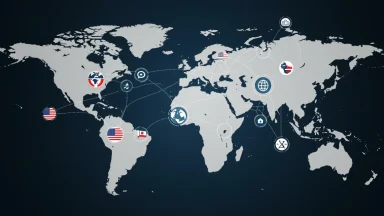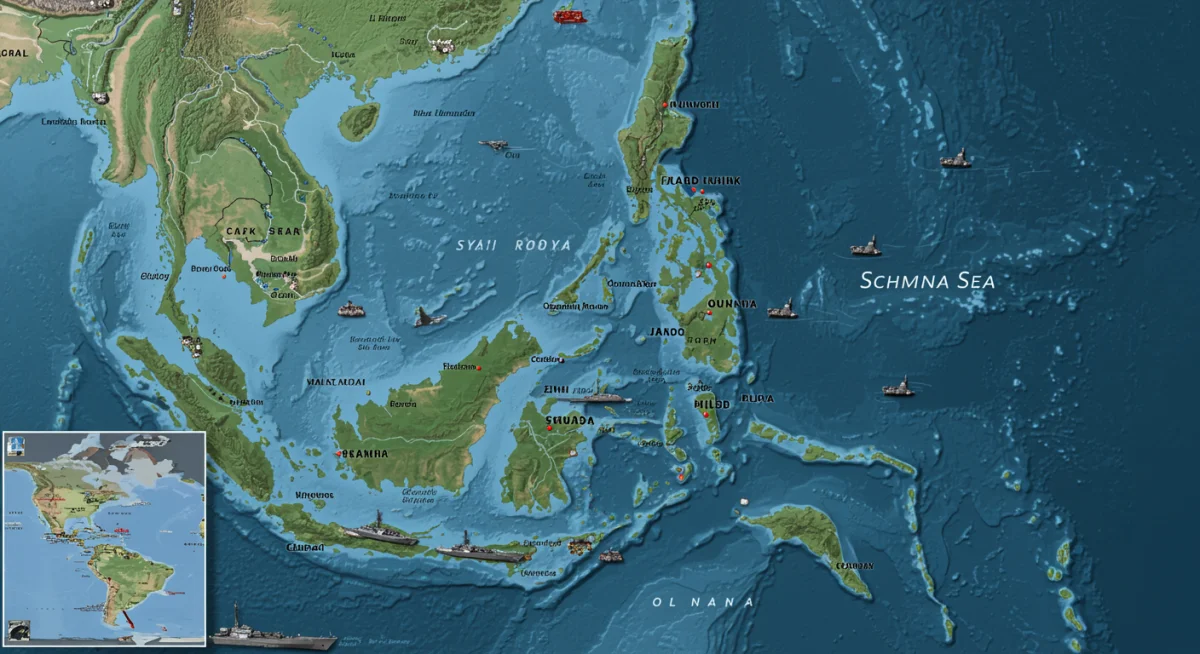
By 2025, artificial intelligence will fundamentally transform geopolitical intelligence, providing the United States with unparalleled strategic advantages in data analysis, predictive modeling, and decision-making for national security and international relations.
The landscape of global power dynamics is constantly shifting, and in this intricate dance, information is paramount. How will nations gain an edge in understanding and predicting international events? The answer increasingly points to the role of AI in geopolitical intelligence: US strategic advantages by 2025. This exploration delves into how artificial intelligence is not just a tool but a transformative force shaping the future of national security and foreign policy for the United States.
The AI Revolution in Intelligence Gathering and Analysis
Artificial intelligence is rapidly reshaping how intelligence agencies operate, moving beyond traditional methods to embrace data-driven insights. This revolution is characterized by AI’s capacity to process vast amounts of unstructured data, identify subtle patterns, and provide predictive analytics that were previously unattainable. The sheer volume of information available today, from open-source intelligence (OSINT) to classified data streams, makes human-only analysis increasingly challenging, highlighting AI’s indispensable role.
The integration of AI tools dramatically enhances the speed and accuracy of intelligence gathering. AI algorithms can sift through millions of news articles, social media posts, satellite images, and encrypted communications in mere seconds, flagging anomalies and connecting seemingly disparate pieces of information. This capability allows analysts to focus on higher-level strategic thinking rather than getting bogged down in manual data processing.
Automated Data Fusion and Pattern Recognition
AI’s ability to fuse data from diverse sources is a game-changer. It can combine information from different languages, formats, and classifications, creating a more comprehensive picture of complex geopolitical situations. This fusion is critical for understanding multifaceted crises, from humanitarian disasters to military conflicts.
- Cross-source correlation: AI identifies links between seemingly unrelated events or actors.
- Sentiment analysis: Gauges public opinion and potential unrest from social media data.
- Anomaly detection: Flags unusual activities or deviations from normal patterns.
- Predictive modeling: Forecasts potential outcomes based on historical data and current trends.
By automating these processes, AI provides intelligence analysts with a more robust and timely understanding of global events, enabling quicker and more informed responses. The shift towards proactive intelligence, driven by AI’s predictive capabilities, represents a significant strategic advantage.
The transformation driven by AI in intelligence gathering and analysis is not merely an incremental improvement; it is a fundamental paradigm shift. It empowers the US intelligence community to move from reactive assessment to proactive foresight, offering a clearer lens through which to view and influence global events. This foundational change sets the stage for enhanced strategic advantages across various domains.
Predictive Analytics and Early Warning Systems
One of the most profound contributions of AI to geopolitical intelligence is its capacity for predictive analytics and the development of sophisticated early warning systems. Unlike traditional intelligence, which often focuses on current events or historical analysis, AI-driven systems leverage advanced algorithms to forecast future developments, providing decision-makers with crucial lead time.
These systems work by analyzing vast datasets, including economic indicators, social unrest patterns, political rhetoric, and environmental changes. AI can identify correlations and causal links that human analysts might miss, allowing for the anticipation of potential crises, conflicts, or shifts in alliances. This foresight is invaluable for preemptive diplomacy, strategic resource allocation, and maintaining national security.
Forecasting Geopolitical Instability
AI models can be trained on historical data of geopolitical instability, such as civil wars, coup attempts, or major protests, to predict where and when similar events might occur. By continuously ingesting new data, these models refine their predictions, offering dynamic risk assessments.
- Conflict prediction: Identifying regions at high risk of armed conflict.
- Economic forecasting: Predicting market instability or resource scarcity.
- Social unrest indicators: Monitoring online discourse for signs of widespread dissatisfaction.
- Cyber threat anticipation: Forecasting potential cyberattacks based on observed patterns.
The ability to anticipate these developments allows the US to prepare diplomatic responses, deploy humanitarian aid, or bolster defenses before a situation escalates. This proactive stance significantly reduces the cost and impact of crises, both domestically and internationally.
The development and deployment of robust AI-powered predictive analytics and early warning systems are central to securing US strategic advantages by 2025. These capabilities transform intelligence from a rearview mirror to a powerful telescope, enabling a more agile and effective foreign policy that can anticipate and mitigate global challenges before they fully materialize.
Enhanced Decision-Making and Policy Formulation
The integration of AI into geopolitical intelligence directly translates into enhanced decision-making and more effective policy formulation for the United States. By providing faster, more accurate, and more comprehensive insights, AI systems empower policymakers to make choices based on a deeper understanding of complex global dynamics. This shift moves beyond intuition to data-backed strategies.
AI assists in evaluating the potential consequences of various policy options, simulating different scenarios to predict outcomes. This capability is particularly vital in high-stakes situations where miscalculations can have severe repercussions. From military interventions to trade negotiations, AI offers a clearer path to optimal decisions.
Scenario Planning and Impact Assessment
AI models can run countless simulations, testing the efficacy of different policy levers. This allows policymakers to understand not just what might happen, but also the ripple effects of their actions across various geopolitical spheres.
- Policy outcome prediction: Simulating the effects of sanctions or diplomatic overtures.
- Resource optimization: Allocating military or aid resources based on predicted needs.
- Risk mitigation strategies: Identifying and preparing for potential negative consequences.
- Alliance dynamics: Understanding how policy changes might affect international partnerships.
By providing these detailed insights, AI helps to remove much of the guesswork from foreign policy and national security decisions. It fosters a more evidence-based approach, allowing the US to craft policies that are not only effective but also resilient to unforeseen challenges.
The ability of AI to support and enhance decision-making and policy formulation is a cornerstone of US strategic advantages. It ensures that leaders are equipped with the best possible information and predictive insights, enabling them to navigate the intricate world stage with greater confidence and precision, shaping outcomes rather than merely reacting to them.
Countering Disinformation and Cyber Threats
In the modern geopolitical landscape, disinformation campaigns and cyber threats pose significant challenges to national security, often undermining democratic processes and destabilizing regions. Artificial intelligence is emerging as a critical tool in the US arsenal to effectively counter these pervasive and evolving threats, protecting both information integrity and critical infrastructure.
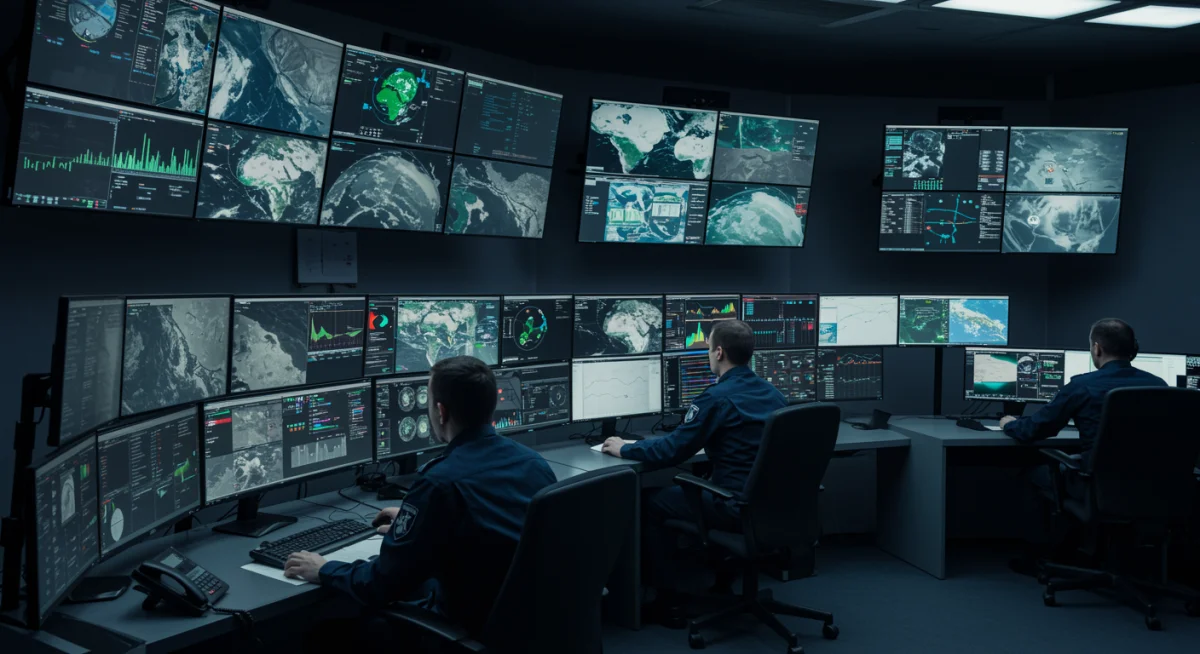
AI algorithms are adept at identifying patterns indicative of disinformation, such as coordinated social media amplification, bot network activity, and deepfake content. Similarly, in cybersecurity, AI can detect anomalous network behavior and sophisticated attack vectors far faster and more accurately than human analysts alone, providing crucial time for defense.
AI in Information Warfare Defense
The speed and scale of disinformation require automated detection and response. AI can analyze vast quantities of online content to pinpoint origins, spread, and potential impact of malign narratives, allowing for targeted counter-messaging and disruption.
- Deepfake detection: Identifying AI-generated fake images, audio, and video.
- Bot network analysis: Uncovering automated accounts used for propaganda.
- Narrative tracking: Monitoring the spread of specific disinformation themes.
- Attribution of influence operations: Linking campaigns to specific state or non-state actors.
For cyber threats, AI continuously monitors network traffic, learns normal operational patterns, and immediately flags any deviations that could indicate an intrusion or attack. This proactive defense is essential for protecting government systems, military networks, and critical national infrastructure from sophisticated adversaries.
The employment of AI in countering disinformation and cyber threats provides the US with a vital defensive strategic advantage. By leveraging AI’s analytical power, the nation can safeguard its information environment and digital assets, ensuring the integrity of its intelligence operations and the resilience of its societal structures against hostile influence.
Ethical Considerations and Responsible AI Deployment
While the strategic advantages of AI in geopolitical intelligence are undeniable, the ethical considerations and the need for responsible deployment are paramount. The power of AI to analyze, predict, and influence carries significant implications for privacy, human rights, and the potential for unintended consequences. The US must navigate these challenges carefully to maintain public trust and uphold democratic values.
Developing clear ethical guidelines and robust oversight mechanisms is crucial. This includes ensuring transparency in AI’s decision-making processes, mitigating algorithmic bias, and establishing accountability for AI-driven actions. Without these safeguards, the very tools designed to enhance security could inadvertently undermine fundamental principles.
Ensuring Fairness and Transparency in AI
Algorithmic bias, originating from biased training data, can lead to unfair or discriminatory outcomes. Addressing this requires diverse datasets, rigorous testing, and continuous monitoring of AI systems.
- Bias detection and mitigation: Implementing techniques to identify and reduce systemic errors.
- Explainable AI (XAI): Developing AI models whose decisions can be understood by humans.
- Data privacy protocols: Protecting sensitive personal information used in intelligence analysis.
- Human oversight: Ensuring that AI decisions are subject to human review and override.
Responsible AI deployment also involves international cooperation to establish norms and standards for the use of AI in intelligence and warfare. This collaborative approach can prevent an arms race mentality and promote the peaceful and ethical application of advanced technologies.
Addressing the ethical considerations and ensuring responsible AI deployment are not merely ancillary tasks but integral components of leveraging AI for geopolitical intelligence. By prioritizing fairness, transparency, and human oversight, the US can build trust, avoid pitfalls, and ensure that AI remains a tool for good, reinforcing its strategic advantages on the global stage.
The Future Geopolitical Landscape: US Leadership in AI
As we look towards 2025 and beyond, the geopolitical landscape will undoubtedly be shaped by technological advancements, with artificial intelligence at its core. The United States is positioned to maintain a leadership role in this evolving domain, leveraging its technological prowess and commitment to innovation to secure a decisive strategic advantage. This leadership extends beyond merely developing AI; it encompasses integrating AI effectively into every facet of national security and foreign policy.
Sustaining this edge requires continuous investment in research and development, fostering a skilled workforce, and establishing robust partnerships with allies and the private sector. The race for AI dominance is not just about military capability, but also about economic influence, diplomatic leverage, and the ability to shape global norms for responsible AI use.
Strategies for Maintaining AI Supremacy
To ensure continued leadership, the US must adopt a multi-faceted approach that addresses technological development, talent acquisition, and international collaboration.
- Investment in R&D: Funding cutting-edge AI research in both public and private sectors.
- Talent development: Cultivating a robust pipeline of AI experts through education and training.
- Public-private partnerships: Collaborating with tech companies for rapid innovation and deployment.
- International alliances: Working with allies to set standards and share best practices for AI use.
The strategic advantages gained through AI in geopolitical intelligence will allow the US to navigate complex global challenges with greater agility, foresight, and precision. This leadership will be crucial in maintaining stability, promoting democratic values, and securing American interests in an increasingly interconnected and volatile world.
The future geopolitical landscape demands unwavering commitment to AI innovation and responsible deployment. By solidifying its leadership in AI, the US can ensure that its intelligence capabilities remain unparalleled, providing the nation with a critical strategic advantage that extends well beyond 2025, shaping a more secure and predictable global future.
| Key Aspect | Strategic Advantage for US |
|---|---|
| Data Fusion & Analysis | Processes vast datasets, identifies patterns, and provides comprehensive intelligence faster. |
| Predictive Analytics | Forecasts geopolitical events, enabling proactive diplomacy and early crisis intervention. |
| Decision Support | Enhances policy formulation through scenario simulation and impact assessment. |
| Countering Threats | Detects and mitigates disinformation and cyberattacks with greater speed and accuracy. |
Frequently Asked Questions About AI in Geopolitics
AI’s primary role is to enhance the speed, accuracy, and depth of intelligence analysis by processing vast datasets, identifying complex patterns, and providing predictive insights that human analysts alone cannot achieve. This leads to more informed decision-making.
By 2025, AI will offer the US strategic advantages through superior predictive analytics, enhanced decision support for policymakers, improved capabilities to counter disinformation, and robust cyber threat detection, ensuring a proactive stance in global affairs.
Ethical concerns include potential algorithmic bias, privacy infringements, the need for transparency in AI’s decision-making, and accountability for AI-driven actions. Responsible deployment requires robust oversight and clear ethical guidelines.
AI can forecast future geopolitical events with increasing accuracy by analyzing historical data, current trends, and complex correlations. While not infallible, it significantly improves early warning capabilities for potential crises and shifts in power dynamics.
AI counters disinformation by rapidly detecting patterns indicative of malign influence operations, such as bot networks and deepfakes. It identifies the origin and spread of false narratives, enabling timely and targeted counter-messaging strategies.
Conclusion
The profound impact of artificial intelligence on geopolitical intelligence cannot be overstated. As the United States navigates an increasingly complex and interconnected world, the strategic advantages offered by AI in data analysis, predictive modeling, decision support, and threat mitigation are becoming indispensable. By 2025, the effective integration and responsible deployment of AI will solidify the US’s position as a global leader, enabling it to anticipate challenges, formulate effective policies, and safeguard national interests with unprecedented precision. The future of geopolitical strategy is undeniably intertwined with the evolution and application of AI.