AI in vulnerability management is revolutionizing how U.S. organizations approach cybersecurity, with a strategic goal to reduce exposure by 25% through automated patching cycles by 2025.
The landscape of cybersecurity is perpetually shifting, presenting formidable challenges to organizations across the United States. In this dynamic environment, the proactive management of vulnerabilities is not merely a best practice; it is an absolute necessity. The integration of AI in vulnerability management is emerging as a pivotal solution, promising to automate patching cycles and significantly reduce cyber exposure for U.S. organizations, with an ambitious target of a 25% reduction by 2025. This technological leap offers a pathway to more resilient and secure digital infrastructures.
The evolving threat landscape and the need for AI
The digital realm is a constant battlefield, with new threats emerging daily. U.S. organizations face an ever-growing array of sophisticated cyberattacks, making traditional, manual vulnerability management methods increasingly inadequate. The sheer volume of vulnerabilities discovered, coupled with the rapid pace of attack techniques, necessitates a more agile and intelligent approach.
Artificial intelligence offers a transformative solution by automating the identification, prioritization, and even remediation of these weaknesses. This shift moves organizations from a reactive stance to a proactive one, allowing them to anticipate and mitigate risks before they can be exploited. The scale of modern networks and the complexity of software systems make human-only oversight impractical and prone to error.
Challenges in traditional vulnerability management
- Volume of vulnerabilities: Thousands of new vulnerabilities are reported annually, overwhelming security teams.
- Manual prioritization: Determining which vulnerabilities to address first is often subjective and time-consuming.
- Patching delays: The gap between a patch release and its deployment creates significant windows of exposure.
- Resource constraints: Security teams are often understaffed and lack the resources to keep up with demands.
By leveraging AI, organizations can overcome these hurdles, transforming their security operations. AI can analyze vast datasets of threat intelligence, historical breach data, and network configurations to identify patterns and predict potential attack vectors with unprecedented accuracy. This predictive capability is crucial for staying ahead of malicious actors.
Furthermore, AI-driven systems can integrate seamlessly with existing IT infrastructure, orchestrating patching processes and ensuring compliance with regulatory requirements. This not only enhances security but also frees up valuable human resources to focus on more strategic cybersecurity initiatives, leading to a more robust defense posture against evolving threats.
How AI automates patching cycles
Automation is at the heart of AI’s promise for vulnerability management. Manual patching processes are notoriously slow, resource-intensive, and often fraught with human error. AI-powered systems can streamline these operations from detection to deployment, significantly reducing the time an organization remains vulnerable.
These systems begin by continuously scanning an organization’s entire digital footprint for vulnerabilities, including servers, endpoints, applications, and cloud environments. Unlike traditional scanners, AI can learn from past data, identify anomalous behavior, and even predict where new vulnerabilities might emerge based on code analysis and configuration patterns.
Key stages of AI-driven automation
- Discovery and scanning: AI continuously identifies assets and scans for known and unknown vulnerabilities.
- Prioritization with context: Beyond severity scores, AI considers business impact, exploitability, and threat intelligence to prioritize.
- Automated remediation: AI can trigger and manage patch deployment, configuration changes, or even temporary virtual patching.
- Verification and reporting: Post-patching, AI verifies effectiveness and generates detailed compliance reports.
Once vulnerabilities are identified, AI algorithms analyze various factors to prioritize them effectively. This includes not just the Common Vulnerability Scoring System (CVSS) score, but also the likelihood of exploitation, the potential business impact, and the presence of active exploits in the wild. This contextual awareness ensures that critical vulnerabilities are addressed first, optimizing limited resources.
Moreover, AI can automate the actual deployment of patches, often testing them in isolated environments before widespread rollout to prevent system disruptions. This intelligent automation minimizes downtime and ensures that systems are updated swiftly and securely. This level of precision and speed is unattainable with manual methods, making AI an indispensable tool for modern cybersecurity.
The impact on U.S. organizations: a 25% reduction in exposure by 2025
The ambitious goal of reducing cyber exposure by 25% for U.S. organizations by 2025 through AI-driven vulnerability management is a testament to the technology’s potential. This target reflects a significant shift in how organizations will approach their security posture, moving towards more intelligent, adaptive, and predictive defense mechanisms.
Achieving this reduction means fewer successful cyberattacks, less data breaches, and a stronger overall national cybersecurity infrastructure. For individual organizations, it translates to enhanced business continuity, reduced financial losses from security incidents, and improved trust with customers and partners. The emphasis is not just on preventing attacks but on minimizing the window of opportunity for attackers.
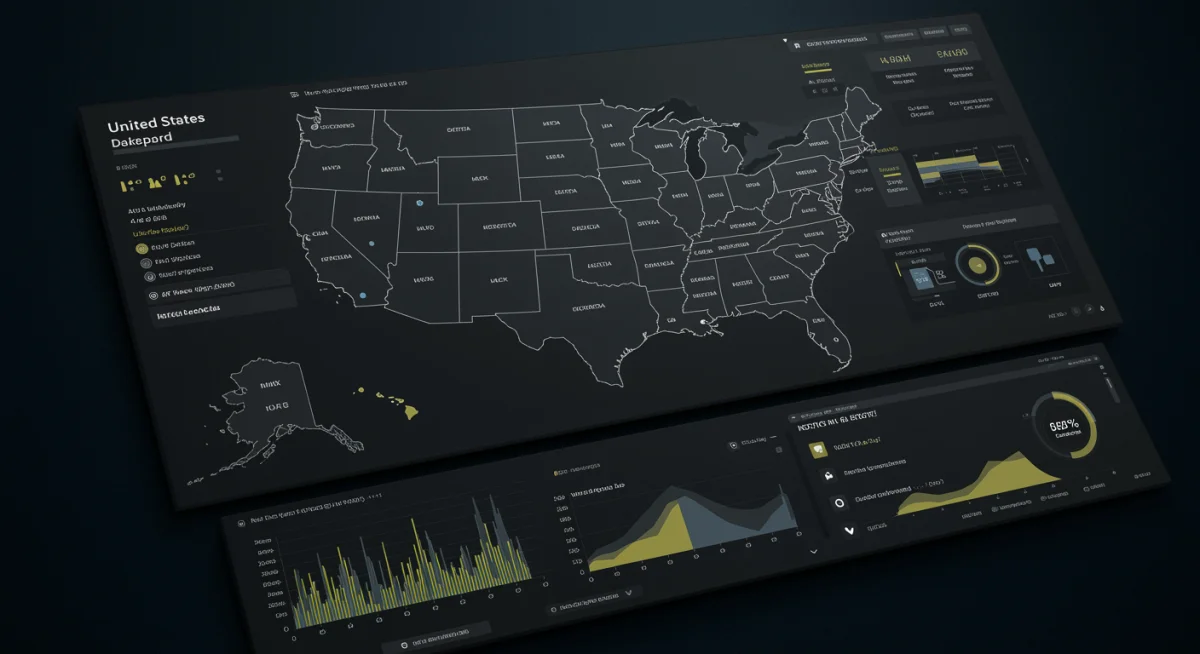
This reduction will be driven by several key factors. First, the speed and accuracy of AI in identifying and prioritizing vulnerabilities will ensure that the most critical weaknesses are addressed almost immediately. Second, automated patching will drastically shrink the time between a patch release and its deployment, closing common exploit windows.
Benefits of reduced exposure
- Lower financial losses: Fewer breaches mean less cost associated with recovery, fines, and reputational damage.
- Improved compliance: Automated systems ensure consistent adherence to regulatory standards like HIPAA, GDPR, and CCPA.
- Enhanced operational efficiency: Security teams are freed from repetitive tasks, allowing them to focus on strategic initiatives.
- Stronger competitive advantage: A robust security posture builds customer trust and differentiates organizations in the market.
Furthermore, AI’s ability to learn and adapt means that defenses will continually improve against new and evolving threats. This iterative learning process ensures that the 25% reduction is not a one-time achievement but a sustained improvement in security resilience. The strategic adoption of AI will be a differentiator for U.S. organizations in the coming years.
Implementing AI: challenges and best practices
While the benefits of AI in vulnerability management are clear, successful implementation is not without its challenges. Organizations must carefully plan their adoption strategy, addressing technical, operational, and cultural considerations to maximize the return on their AI investment.
One primary challenge is the integration of AI systems with existing legacy infrastructure. Many U.S. organizations operate with complex, heterogeneous IT environments, making seamless integration a significant hurdle. Data quality and access are also critical; AI systems are only as good as the data they are trained on, requiring clean, comprehensive, and continuously updated threat intelligence.
Overcoming implementation hurdles
- Start small and scale: Begin with pilot projects to demonstrate value and refine processes before widespread deployment.
- Invest in data quality: Ensure that vulnerability data, threat intelligence, and asset inventories are accurate and up-to-date.
- Train security teams: Educate staff on how to work alongside AI, leveraging its capabilities rather than feeling replaced.
- Choose adaptable platforms: Select AI solutions that can integrate with diverse IT environments and evolve with new threats.
Best practices for implementation include a phased approach, starting with specific areas of high impact and gradually expanding. Organizations should also prioritize vendor selection, opting for AI solutions that offer robust integration capabilities, transparent algorithms, and strong support. Furthermore, continuous monitoring and fine-tuning of AI models are essential to ensure their effectiveness against emerging threats.
Finally, fostering a culture of collaboration between IT, security, and development teams is crucial. AI is a tool, and its success hinges on human oversight and strategic guidance. By embracing these best practices, U.S. organizations can navigate the complexities of AI implementation and fully realize its potential for enhanced vulnerability management.
The future of cybersecurity: AI-driven resilience
The trajectory of cybersecurity is undeniably moving towards greater reliance on artificial intelligence. The vision of a 25% reduction in exposure for U.S. organizations by 2025 is just the beginning. As AI technologies mature, they will enable even more sophisticated and autonomous defense capabilities, leading to unprecedented levels of digital resilience.
Future AI systems will not only automate patching but will also engage in proactive cyber defense, anticipating attacks before they even materialize. This includes AI-driven threat hunting, where algorithms actively search for indicators of compromise and anomalous behavior that might signal an impending attack, far beyond what human analysts can achieve.
Emerging AI applications in cybersecurity
Beyond automated patching, AI’s role is expanding:
- Predictive threat intelligence: AI will forecast future attack vectors and vulnerabilities based on global data.
- Autonomous response: Systems will automatically isolate threats, reconfigure networks, and deploy countermeasures without human intervention.
- Behavioral analytics: AI will detect insider threats and sophisticated attacks by identifying deviations from normal user and system behavior.
- Secure software development: AI will integrate into the CI/CD pipeline to identify and fix vulnerabilities in code during development.
Moreover, AI will play a critical role in securing the increasingly complex supply chains and interconnected ecosystems that define modern business. By analyzing relationships between entities and identifying potential weak links, AI can provide a holistic view of an organization’s risk surface.
The continuous evolution of AI will empower U.S. organizations to build truly resilient systems that can withstand and recover from cyberattacks with minimal disruption. This future state of AI-driven resilience promises a more secure digital future, where organizations can innovate and grow without constant fear of cyber threats. It’s a future where security is not an afterthought but an integral, intelligent part of every operation.
Strategic implications for policy and investment
The widespread adoption of AI in vulnerability management has profound strategic implications for both organizational investment and national cybersecurity policy within the U.S. To achieve the ambitious goal of a 25% reduction in exposure, coordinated efforts from government, industry, and academia will be essential.
Government bodies can foster this transition through policy incentives, funding for AI research and development in cybersecurity, and the establishment of common standards for AI-driven security tools. This will help accelerate the development and deployment of effective solutions across critical infrastructure sectors.
Key policy considerations
- Funding for R&D: Government grants and partnerships to advance AI in cybersecurity.
- Standardization: Developing benchmarks and best practices for AI security tools to ensure interoperability and effectiveness.
- Workforce development: Programs to train cybersecurity professionals in AI and machine learning techniques.
- Data sharing initiatives: Secure frameworks for sharing threat intelligence to enhance AI model training.
For U.S. organizations, strategic investment in AI technologies is no longer optional but a competitive imperative. This includes not just purchasing AI-powered tools but also investing in the necessary talent and infrastructure to support these systems. Boards and executive leadership must understand that cybersecurity is a business risk that AI can significantly mitigate.
Furthermore, collaborative initiatives, such as industry-specific threat intelligence sharing and joint R&D projects, can amplify the benefits of AI across the entire ecosystem. By working together, U.S. organizations can create a collective defense that is greater than the sum of its parts, solidifying their position against global cyber adversaries and ensuring a more secure digital future for the nation.
| Key Aspect | Description |
|---|---|
| AI Automation Goal | Reduce cyber exposure for U.S. organizations by 25% by 2025 through automated patching. |
| Key AI Function | Automated discovery, intelligent prioritization, and rapid deployment of security patches. |
| Benefits for U.S. Orgs | Lower financial losses, improved compliance, enhanced operational efficiency, stronger trust. |
| Implementation Strategy | Phased approach, data quality investment, team training, and adaptable platform selection. |
Frequently asked questions
AI in vulnerability management uses artificial intelligence to automate and enhance the processes of identifying, prioritizing, and remediating security vulnerabilities. It leverages machine learning to analyze vast datasets, predict threats, and orchestrate patching cycles more efficiently than manual methods, leading to reduced cyber exposure.
AI automates patching by continuously scanning for vulnerabilities, intelligently prioritizing them based on context and threat intelligence, and then triggering or managing the deployment of necessary patches. This includes testing patches in isolated environments to prevent disruption and verifying their effectiveness post-deployment, significantly speeding up the remediation process.
The strategic target for U.S. organizations is to achieve a 25% reduction in cyber exposure by 2025 through the effective implementation of AI in vulnerability management. This goal aims to enhance national cybersecurity and protect critical infrastructure, significantly lowering the risk of successful cyberattacks and data breaches across various sectors.
Benefits include faster identification and remediation of vulnerabilities, improved prioritization based on real-world threat context, reduced human error, lower operational costs, enhanced compliance with regulations, and a stronger overall security posture. This leads to fewer successful attacks and greater resilience against evolving cyber threats.
Challenges include integrating AI systems with diverse legacy IT infrastructures, ensuring high-quality and comprehensive data for AI training, and the need for upskilling cybersecurity teams to effectively manage and leverage AI tools. Organizations must also address concerns about algorithmic bias and the complexity of AI model interpretation.
Conclusion
The integration of artificial intelligence into vulnerability management represents a transformative shift for U.S. organizations. The ambitious target of a 25% reduction in cyber exposure by 2025 is not merely aspirational but a tangible goal achievable through strategic adoption of AI-driven automation in patching cycles. By moving beyond traditional, labor-intensive methods, organizations can achieve unprecedented levels of speed, accuracy, and proactive defense against an ever-evolving threat landscape. This technological advancement promises not only to fortify digital infrastructures but also to free human expertise for more complex, strategic challenges, fostering a more resilient and secure future for businesses and critical national assets alike. The journey requires careful planning, investment, and a collaborative approach, yet the dividends in enhanced security and operational efficiency are immeasurable.