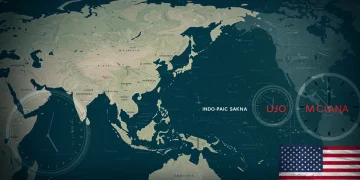
US Policy Shifts: 3-Month Indo-Pacific Urgency
The next three months represent a critical period for U.S. policy adjustments in the Indo-Pacific, driven by heightened regional tensions. This window demands strategic foresight and decisive action to safeguard American interests and maintain stability.

Regional Conflict Strategies: 2026 Efficacy for US National Security
This article offers a crucial comparison and analysis of two major regional conflict resolution strategies, evaluating their projected efficacy for U.S. National Security in 2026, and highlighting key implications for global stability.
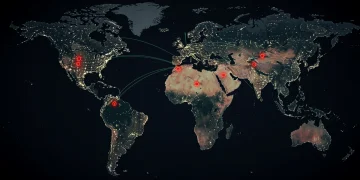
Unreported Conflicts: US Foreign Policy Impact by 2026
This article delves into seven underreported regional conflicts across the globe that possess the potential to profoundly influence U.S. foreign policy by early 2026. Understanding these brewing challenges is crucial for anticipating future international dynamics and strategic shifts.
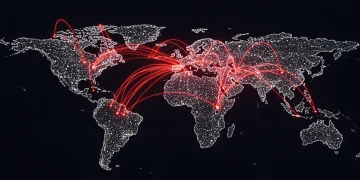
Cyber Warfare in Regional Conflicts: 2026 Threat Assessment & U.S. Infrastructure Protection
This article assesses the evolving landscape of cyber warfare in regional conflicts by 2026, outlining critical threats and presenting four practical, proactive measures to fortify U.S. infrastructure against sophisticated digital attacks.

2026 Geopolitical Forecast: Middle East Flashpoints & US Implications
This article delves into the 2026 geopolitical forecast, highlighting five critical flashpoints across the Middle East. It examines the potential for escalating regional conflicts and their profound implications for U.S. interests and strategic policy in the coming year.

US De-escalation: 5 Unconventional Tools for Regional Conflicts in 2025
Expert analysts reveal five unconventional tools the US is deploying in early 2025 to de-escalate regional conflicts, moving beyond traditional sanctions and embracing innovative diplomatic and strategic approaches.
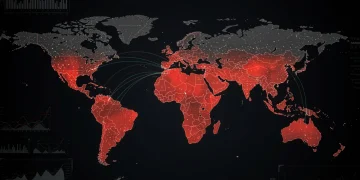
US Intelligence Briefing: 3 Hotspots Threatening Global Trade in 2025
The latest US Intelligence Briefing highlights three rapidly intensifying regional conflicts expected to directly challenge global trade routes in 2025, demanding immediate international attention and strategic responses.

US Diplomacy: Building Regional Stability by 2025
This guide outlines practical solutions for US diplomatic engagements to build regional stability and foster long-term peace in key conflict-prone areas by 2025, focusing on strategic, step-by-step approaches.

Regional Conflict Inaction: $50B US Economic Impact by 2025
Unresolved regional conflicts could cost the US economy over $50 billion annually by 2025, impacting trade, supply chains, energy prices, and defense spending, necessitating proactive strategic responses.

January 2025 Alert: Diplomatic Moves to Halt Regional Conflicts
January 2025 marks a pivotal moment for global stability as key diplomatic initiatives are actively underway to prevent two specific regional conflicts from reaching a critical tipping point, demanding urgent international attention and strategic intervention.