Cyber Warfare in Regional Conflicts: 2026 Threat Assessment & U.S. Infrastructure Protection
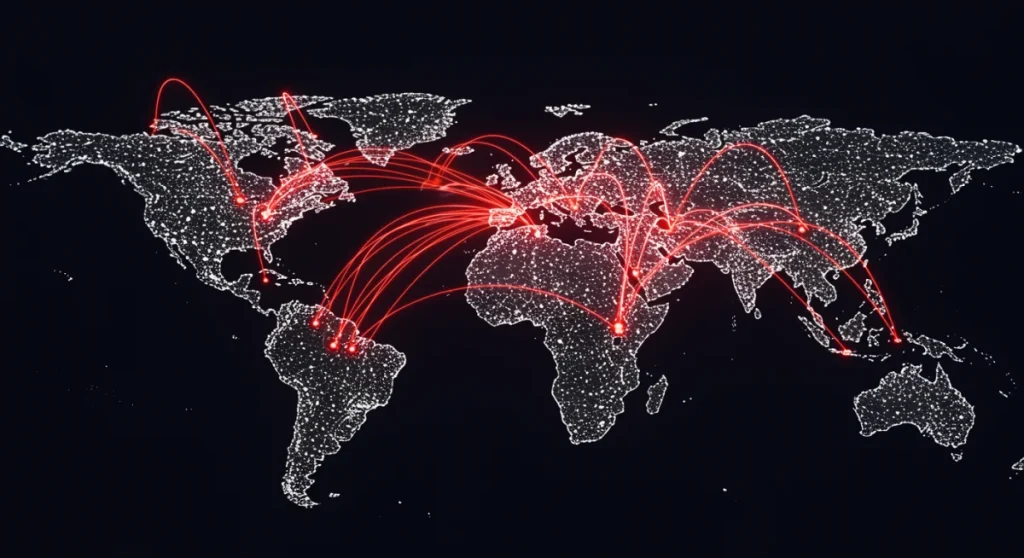
By 2026, cyber warfare in regional conflicts poses escalating threats to U.S. critical infrastructure, necessitating advanced, proactive defense strategies to mitigate widespread disruption and maintain national security.
The landscape of global conflict is rapidly evolving, with digital battlefields becoming as crucial as physical ones. By 2026, the specter of cyber warfare in regional conflicts presents an unprecedented challenge to national security, particularly for the United States and its critical infrastructure. Understanding these threats and implementing proactive measures is no longer optional, but a fundamental imperative for safeguarding our way of life.
The Evolving Threat Landscape: A 2026 Perspective
As we approach 2026, the nature of cyber warfare continues its rapid evolution, moving beyond mere espionage to encompass disruptive and destructive capabilities. Regional conflicts, often fueled by geopolitical tensions, increasingly serve as testing grounds for advanced cyber weapons and tactics, with U.S. infrastructure frequently becoming an indirect, or even direct, target. Adversaries are no longer solely state-sponsored actors; sophisticated criminal organizations and hacktivist groups also possess significant capabilities, often acting as proxies or independent threats.
The interconnectedness of modern societies means that a cyberattack on one nation’s critical infrastructure can have cascading effects globally. Supply chains, financial markets, and even democratic processes become vulnerable. This complex web of dependencies amplifies the potential impact of cyber warfare, making robust defense mechanisms absolutely essential.
Sophisticated Attack Vectors
Cyber adversaries are continuously refining their methods, employing a diverse array of sophisticated attack vectors. These include highly customized malware, zero-day exploits, and advanced persistent threats (APTs) designed to remain undetected for extended periods within networks. The proliferation of artificial intelligence (AI) and machine learning (ML) tools also enables attackers to automate reconnaissance, tailor phishing campaigns, and even develop self-propagating exploits with alarming efficiency.
- Supply Chain Compromises: Infiltrating software updates or hardware components before they reach their intended targets, creating backdoors for future access.
- Ransomware as a Service (RaaS): The professionalization of ransomware operations, making sophisticated tools accessible to a wider range of malicious actors, often with geopolitical motivations.
- IoT Device Exploitation: Leveraging vulnerabilities in the rapidly expanding ecosystem of Internet of Things (IoT) devices to gain entry into broader networks or launch distributed denial-of-service (DDoS) attacks.
- Information Warfare and Disinformation: Using cyber means to manipulate public opinion, sow discord, and undermine trust in institutions, often preceding or accompanying physical attacks.
Understanding these evolving attack vectors is the first step in developing effective countermeasures. Passive defenses are no longer sufficient; a dynamic and adaptive security posture is paramount to stay ahead of increasingly agile adversaries.
Targeting Critical Infrastructure: Why the U.S. is Vulnerable
U.S. critical infrastructure, encompassing sectors like energy, water, finance, transportation, and healthcare, represents an inviting target for adversaries engaged in cyber warfare. The highly digitized and interconnected nature of these systems, while offering efficiency, also introduces numerous points of vulnerability. A successful cyberattack could lead to widespread power outages, disruptions in financial markets, compromised healthcare systems, or even contamination of water supplies, causing significant economic damage, social unrest, and loss of life.
The sheer scale and complexity of U.S. infrastructure make securing it a monumental task. Many legacy systems, while functional, were not designed with modern cybersecurity threats in mind, making them susceptible to exploits. Furthermore, the blend of public and private ownership across these sectors complicates unified defense efforts, requiring unprecedented levels of collaboration and information sharing.
Economic and Social Impacts
The potential impacts of a successful cyberattack on U.S. infrastructure extend far beyond immediate operational disruption. Economically, a major attack could halt trade, cripple industries, and trigger financial instability. Socially, it could erode public trust in government and essential services, leading to widespread panic and civil disorder. The ripple effects could be felt for years, hindering recovery and undermining national resilience.
- Power Grid Disruptions: Blackouts affecting millions, impacting homes, businesses, and emergency services.
- Financial System Freeze: Inability to conduct transactions, access funds, or process payments, leading to economic paralysis.
- Healthcare System Compromise: Patient data breaches, disruption of medical services, and potential harm to public health.
The consequences are dire, underscoring the urgent need for a comprehensive and proactive approach to infrastructure protection. The U.S. cannot afford to wait for a catastrophic event to fully commit to fortifying its digital defenses.
Proactive Measure 1: Enhanced Threat Intelligence Sharing and Collaboration
One of the most critical proactive measures for U.S. infrastructure protection against cyber warfare is the establishment of robust, real-time threat intelligence sharing mechanisms. This goes beyond simple reporting; it requires deep collaboration between government agencies, private sector entities, and international allies. Adversaries often share tactics and tools, and our defense must be equally collaborative and agile.
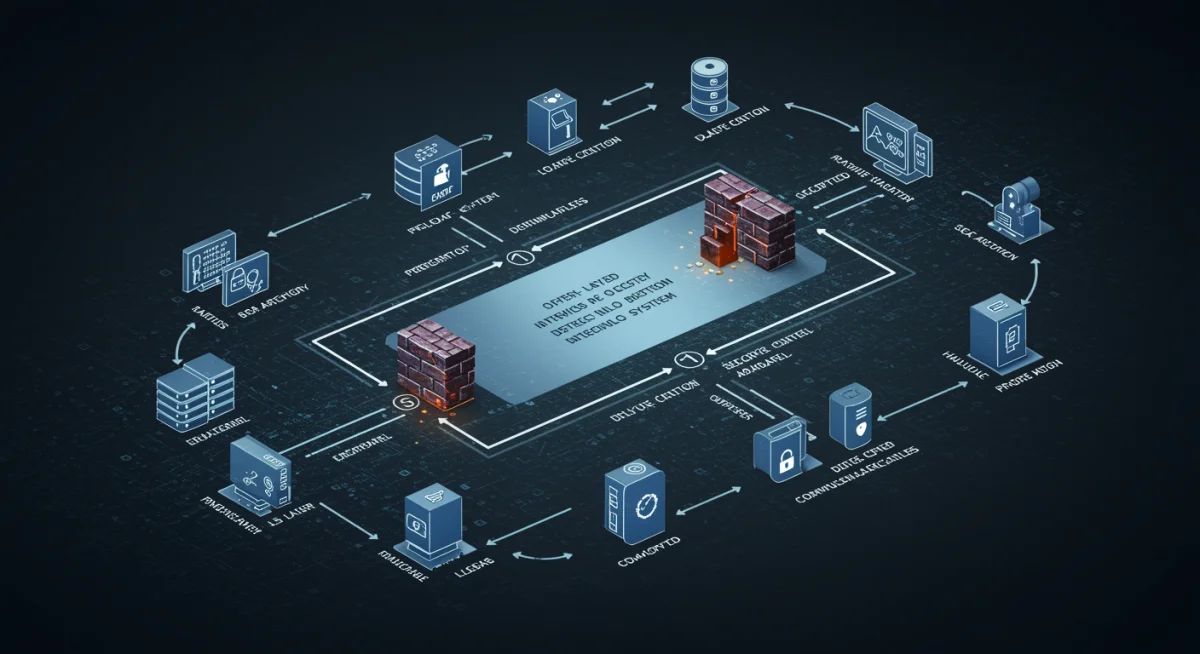
The current landscape often sees information silos, where one organization’s insights are not immediately accessible to others facing similar threats. Breaking down these barriers is essential. By pooling resources and expertise, the collective defense posture becomes significantly stronger. This requires not only technical solutions for secure information exchange but also cultural shifts towards greater transparency and mutual trust among stakeholders.
Establishing Secure Channels
Creating secure, encrypted channels for rapid threat intelligence dissemination is paramount. This includes automated feeds of indicators of compromise (IOCs), detailed analyses of attack methodologies, and early warnings of emerging threats. These platforms must be designed to handle sensitive information while ensuring timely delivery to relevant parties.
- Information Sharing and Analysis Centers (ISACs): Strengthening existing ISACs and establishing new ones for underserved sectors, fostering a community-driven defense.
- Public-Private Partnerships: Formalizing agreements and frameworks that facilitate routine and emergency information exchange between government and critical infrastructure operators.
- International Alliances: Deepening cooperation with allied nations to share intelligence on state-sponsored threats and coordinate defensive actions.
Effective threat intelligence sharing is the bedrock of a proactive defense, enabling organizations to anticipate attacks, patch vulnerabilities, and deploy countermeasures before significant damage can occur. It transforms isolated defenses into a networked shield.
Proactive Measure 2: Fortifying Industrial Control Systems (ICS) and Operational Technology (OT)
Industrial Control Systems (ICS) and Operational Technology (OT) are the digital brains behind much of our critical infrastructure, managing everything from power grids to water treatment plants. Historically, these systems were often isolated from external networks, but increasing digitalization has blurred these lines, exposing them to cyber threats. Fortifying ICS/OT environments is a non-negotiable step in U.S. infrastructure protection.
Many ICS/OT systems operate on older, proprietary protocols and hardware, making them particularly challenging to secure with conventional IT cybersecurity solutions. Specialized expertise is required to identify vulnerabilities, implement appropriate security controls, and monitor for anomalies without disrupting essential services. A single successful breach in these systems could have devastating physical consequences.
Implementing Zero Trust Architectures
Adopting a Zero Trust security model for ICS/OT environments means never trusting, always verifying. This involves strict access controls, continuous authentication, and micro-segmentation of networks to limit the lateral movement of attackers. Every device, user, and application must be authenticated and authorized before gaining access to critical resources.
- Network Segmentation: Isolating critical ICS/OT networks from enterprise IT networks and segmenting them further internally to contain potential breaches.
- Regular Audits and Penetrations Testing: Conducting specialized assessments for ICS/OT systems to identify and address unique vulnerabilities.
- Secure Remote Access: Implementing multi-factor authentication and secure gateways for all remote access to operational systems.
Protecting ICS/OT requires a dedicated and specialized approach that recognizes the unique operational requirements and potential physical impacts of these systems. It’s about ensuring the lights stay on, the water flows, and essential services remain uninterrupted.
Proactive Measure 3: Developing a National Cyber Resilience Framework
While proactive defense is crucial, no system is entirely impenetrable. Therefore, developing a comprehensive national cyber resilience framework is equally vital. This framework focuses not just on preventing attacks, but also on the ability to withstand, respond to, and rapidly recover from successful cyber incidents with minimal disruption. Resilience is about bouncing back stronger.
A national framework involves coordinated planning across all levels of government and critical infrastructure sectors. It includes establishing clear incident response protocols, developing robust backup and recovery systems, and conducting regular exercises to test preparedness. The goal is to minimize the duration and impact of any cyberattack, ensuring continuity of essential services.
Key Components of Resilience
A robust cyber resilience framework includes several key components that work in concert to prepare for, respond to, and recover from cyber incidents. These components ensure that organizations can maintain critical functions even under duress.
- Incident Response Plans: Detailed, tested plans for detecting, containing, eradicating, and recovering from cyberattacks.
- Redundancy and Backup Systems: Implementing redundant systems and offsite, immutable backups for critical data and configurations to ensure rapid restoration.
- Workforce Training and Preparedness: Regularly training personnel in cybersecurity best practices, incident response procedures, and crisis communication.
- Supply Chain Resilience: Assessing and mitigating cyber risks throughout the supply chain to prevent cascading failures.
Building resilience means accepting that attacks will occur and preparing to minimize their impact. It’s an ongoing process of adaptation and improvement, ensuring that the nation can absorb digital shocks and continue to function effectively.
Proactive Measure 4: Investing in Next-Generation Cybersecurity Technologies and Talent
To effectively counter the sophisticated and evolving threats of cyber warfare, significant investment in next-generation cybersecurity technologies and the development of a skilled cybersecurity workforce is indispensable. Relying on outdated tools or an understaffed team is a recipe for disaster in the face of increasingly advanced adversaries. Innovation is key to staying ahead.
This measure involves strategic funding for research and development in areas like quantum-resistant cryptography, AI-powered threat detection, and automated defense systems. Simultaneously, there must be a concerted effort to attract, train, and retain top cybersecurity talent, addressing the significant skills gap that currently exists across both public and private sectors.
Fostering a Cybersecurity Ecosystem
Building a robust cybersecurity ecosystem requires a multi-faceted approach, combining technological advancement with human capital development. This includes academic programs, industry partnerships, and government initiatives aimed at cultivating expertise.
- AI/ML-Driven Security: Deploying artificial intelligence and machine learning for predictive threat analysis, anomaly detection, and automated response.
- Quantum Computing Preparedness: Researching and developing cryptographic solutions resilient to future quantum computing attacks.
- Workforce Development Programs: Investing in educational pipelines, scholarships, and training programs to cultivate a highly skilled cybersecurity workforce.
- Bug Bounty Programs: Incentivizing ethical hackers to discover and report vulnerabilities, enhancing overall system security.
These investments are not merely expenses; they are strategic necessities that will pay dividends in national security and economic stability. By embracing innovation and nurturing talent, the U.S. can build a formidable defense against the cyber threats of 2026 and beyond.
| Key Measure | Brief Description |
|---|---|
| Threat Intelligence Sharing | Real-time collaboration between government, private sector, and allies to share cyber threat data. |
| ICS/OT Fortification | Securing industrial control and operational technology systems with specialized defenses. |
| National Cyber Resilience | Framework for rapid recovery from cyberattacks, minimizing disruption to critical services. |
| Tech & Talent Investment | Strategic investment in next-gen cybersecurity technologies and a skilled workforce. |
Frequently Asked Questions About Cyber Warfare and U.S. Infrastructure
Cyber warfare in regional conflicts refers to the use of digital attacks by state-sponsored actors or proxies to achieve political or military objectives. These attacks can target critical infrastructure, disrupt communications, or spread disinformation, often in conjunction with conventional military operations or as a standalone coercive tactic.
U.S. critical infrastructure is highly digitized and interconnected, making it vulnerable to disruption. A successful attack on sectors like energy, finance, or transportation could cause severe economic damage, social unrest, and undermine national security, providing adversaries with significant leverage.
Threat intelligence sharing enables government and private entities to exchange real-time information on emerging cyber threats, attack methodologies, and indicators of compromise. This collective knowledge allows organizations to proactively strengthen defenses, patch vulnerabilities, and deploy countermeasures before attacks can cause widespread damage.
Industrial Control Systems (ICS) and Operational Technology (OT) are hardware and software used to monitor and control industrial processes, such as those in energy grids, manufacturing, and water treatment. They are critical because their compromise can lead to physical damage, operational shutdowns, and severe consequences for public safety and essential services.
Cyber resilience is the ability of an organization or nation to anticipate, withstand, recover from, and adapt to disruptive cyber incidents. It’s crucial because no system is completely immune to attacks. Resilience ensures that essential functions can continue or be rapidly restored after a breach, minimizing the overall impact.
Conclusion
The imperative to secure U.S. critical infrastructure against the escalating threats of cyber warfare in regional conflicts by 2026 is undeniable. The digital battlefield is complex and dynamic, demanding a sophisticated, multi-faceted response. By prioritizing enhanced threat intelligence sharing, fortifying industrial control systems, developing a robust national cyber resilience framework, and making strategic investments in next-generation technologies and skilled talent, the United States can build a formidable defense. These proactive measures are not merely about preventing attacks; they are about safeguarding national security, economic stability, and the very fabric of society in an increasingly interconnected and volatile world. The time for decisive action is now, ensuring that our digital foundations are as strong as our physical borders.