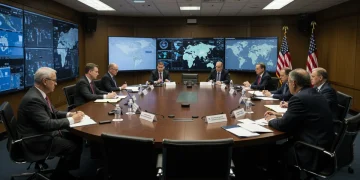
Future of NATO: 8 Geopolitical Challenges & US Leadership 2025
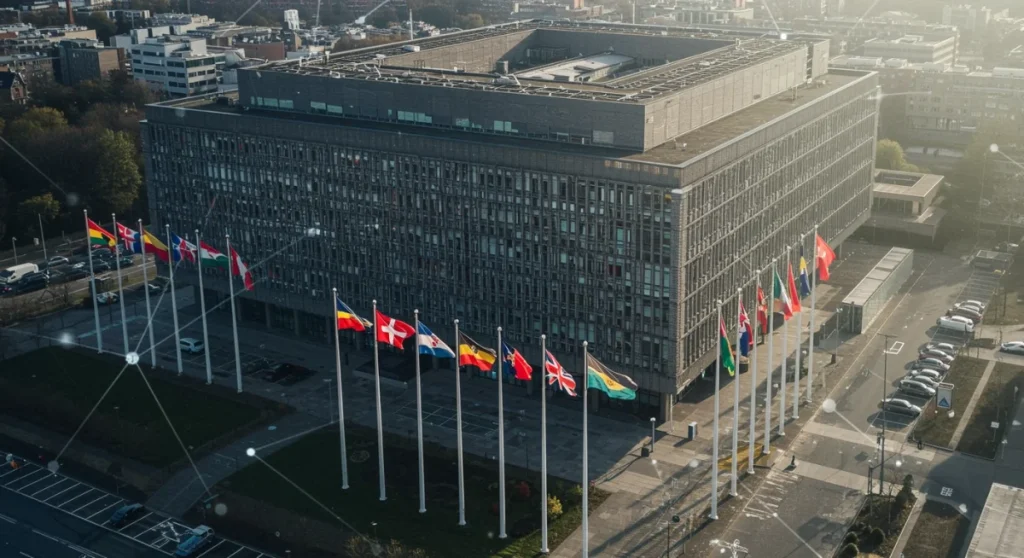
The future of NATO in 2025 will be defined by its ability to address a complex array of geopolitical challenges, with strong US leadership being crucial for maintaining alliance cohesion and effective deterrence against emerging threats.
As we advance towards 2025, the landscape of global security continues to shift dramatically, placing new demands on established alliances. Understanding The Future of NATO: 8 Geopolitical Challenges and US Leadership in 2025 is not merely an academic exercise; it is a critical assessment of the mechanisms safeguarding international stability and peace. This article delves into the intricate web of threats and strategic considerations that will shape NATO’s trajectory and America’s indispensable role within it.
The Evolving Threat Landscape: Russia and Beyond
The post-Cold War era of relative calm has definitively ended, with Russia’s aggressive posture in Eastern Europe continuing to dominate the security agenda. This section explores how NATO is adapting to this persistent threat and the new dimensions of its strategic calculus.
Russia’s war in Ukraine has fundamentally altered European security, forcing NATO to recalibrate its defense and deterrence strategies. The alliance has significantly reinforced its eastern flank, deploying additional troops and equipment, and conducting more frequent exercises. This enhanced forward presence aims to deter further Russian aggression and reassure frontline states of NATO’s unwavering commitment to collective defense.
Reassessing Russian Intentions and Capabilities
Understanding Russia’s long-term objectives and military modernization efforts is paramount for NATO’s strategic planning. Moscow’s willingness to use force to achieve its geopolitical aims necessitates a continuous reassessment of its capabilities and potential targets.
- Military Modernization: Russia continues to invest heavily in advanced weaponry, including hypersonic missiles and cyber warfare capabilities.
- Hybrid Warfare: The Kremlin employs a sophisticated mix of disinformation, cyberattacks, and political interference to destabilize adversaries.
- Arctic Ambitions: Russia’s growing military presence in the Arctic region presents new strategic challenges and potential flashpoints.
Beyond Russia, other state and non-state actors present diverse threats. The proliferation of weapons of mass destruction, the rise of state-sponsored terrorism, and instability in the Middle East and North Africa all demand NATO’s attention. The interconnectedness of these threats means that regional conflicts can quickly escalate and impact global security.
In conclusion, the evolving threat landscape, primarily driven by Russia’s actions, requires NATO to maintain a high state of readiness and continually adapt its defense posture. The alliance must remain agile and responsive to both conventional and unconventional threats, ensuring its ability to protect member states.
China’s Global Assertiveness and Its NATO Implications
China’s rapid economic and military expansion presents a complex challenge for NATO, moving beyond its traditional Euro-Atlantic focus. This section examines how Beijing’s growing global influence impacts the alliance’s strategic considerations and necessitates a broader perspective on security.
While geographically distant, China’s actions have profound implications for NATO. Its increasing assertiveness in the South China Sea, its Belt and Road Initiative, and its technological advancements all contribute to a changing global power balance. NATO recognizes that instability or conflict in the Indo-Pacific could have cascading effects on European and transatlantic security.
Navigating Economic and Technological Competition
China’s economic power and technological prowess pose both opportunities and risks. While economic engagement is inevitable, NATO members must address concerns regarding intellectual property theft, forced technology transfer, and the potential weaponization of supply chains.
- Supply Chain Vulnerabilities: Over-reliance on critical goods from China can create strategic dependencies.
- 5G Technology: Concerns over the security of Chinese-made 5G infrastructure have led many NATO nations to restrict its use.
- Dual-Use Technologies: Technologies developed for civilian purposes can be repurposed for military applications, blurring lines between commercial and security interests.
NATO’s strategic concept now explicitly acknowledges the systemic challenges posed by China. This doesn’t imply a direct military confrontation, but rather a need for vigilance, resilience, and a coordinated approach to safeguard shared values and interests. The alliance aims to engage with China where possible, while simultaneously mitigating risks and protecting critical infrastructure.
Ultimately, addressing China’s global assertiveness requires NATO to develop a comprehensive strategy that balances cooperation, competition, and deterrence. This involves strengthening partnerships with like-minded nations in the Indo-Pacific and fostering greater resilience within the alliance itself.
Cyber Warfare and Hybrid Threats: The Invisible Battlefield
The digital domain has become a critical battlefield, where adversaries employ sophisticated cyberattacks and hybrid tactics to undermine national security without direct military engagement. This section explores how NATO is confronting these pervasive and often anonymous threats.
Cyber warfare is no longer a futuristic concept; it is a daily reality. Critical infrastructure, government networks, and even democratic processes are vulnerable to attacks ranging from espionage to sabotage. NATO recognizes that a significant cyberattack against one member could trigger Article 5, the alliance’s collective defense clause, highlighting the gravity of this threat.
Developing Resilience Against Digital Incursions
Protecting against cyber threats requires a multi-layered approach, combining robust defensive measures with proactive threat intelligence and rapid response capabilities. NATO members are working to enhance their national cyber defenses and improve information sharing.
- Information Sharing: Real-time exchange of threat intelligence is crucial for collective defense against cyberattacks.
- Cyber Exercises: Regular exercises simulate complex cyber scenarios to test and improve response capabilities.
- Technological Innovation: Investing in cutting-edge cybersecurity technologies is essential to stay ahead of adversaries.
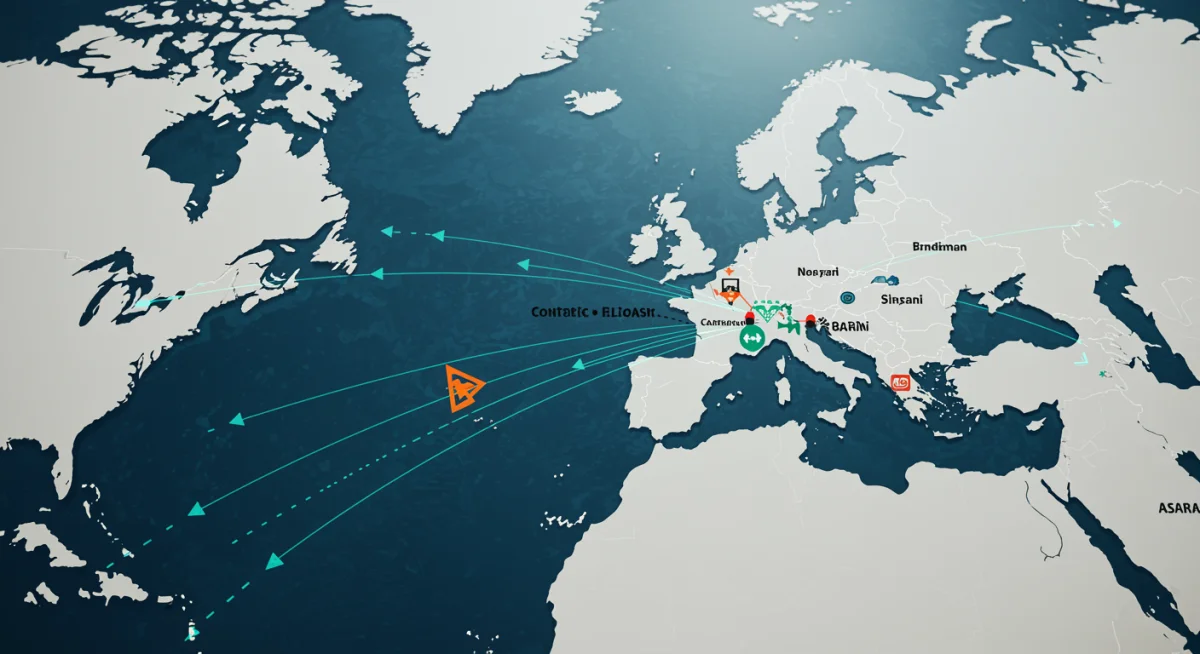
Hybrid threats encompass a broader range of tactics, including disinformation campaigns, economic coercion, and political interference, often orchestrated to sow discord and undermine trust. These tactics exploit vulnerabilities within societies, making them particularly insidious. NATO’s response involves not only technical measures but also strengthening democratic institutions and promoting media literacy.
In summary, the invisible battlefield of cyber warfare and hybrid threats demands continuous adaptation and collaboration within NATO. The alliance must develop robust defenses, foster resilience, and enhance its ability to attribute and respond effectively to these evolving challenges.
Internal Cohesion and Burden-Sharing Debates
Maintaining unity among 32 diverse member states is a perpetual challenge for NATO, particularly concerning equitable burden-sharing and differing strategic priorities. This section examines the internal dynamics that influence the alliance’s effectiveness and the ongoing debates surrounding contributions.
The principle of collective defense under Article 5 is the bedrock of NATO, but its effectiveness relies on the commitment of all members to contribute their fair share. The long-standing debate over defense spending, particularly the target of 2% of GDP, continues to be a point of contention. While many members have increased their spending, some still fall short, impacting overall readiness and capability.
Strengthening Alliance Solidarity
Beyond financial contributions, internal cohesion is also tested by diverging national interests and political agendas. Ensuring that all members remain aligned on core strategic objectives and share a common understanding of threats is vital for NATO’s future.
- Diplomatic Engagement: Continuous dialogue and negotiation are essential to bridge differences and build consensus.
- Shared Values: Reinforcing the democratic values that underpin the alliance helps to foster a sense of common purpose.
- Joint Training: Collaborative military exercises strengthen interoperability and build trust among member forces.
The expansion of NATO to include new members, while strengthening the alliance’s eastern flank, also introduces new complexities in terms of integration and resource allocation. Ensuring that these new members are fully integrated and that their security concerns are adequately addressed is crucial for maintaining a united front.
In conclusion, internal cohesion and equitable burden-sharing are fundamental to NATO’s strength. The alliance must continuously work to foster unity, address disparities in defense spending, and ensure that all members are committed to the collective defense mission.
The Role of US Leadership in 2025
The United States has historically been the primary architect and guarantor of NATO’s strength, providing significant military capabilities, financial contributions, and diplomatic leadership. In 2025, America’s role remains indispensable, though its nature may evolve in response to domestic and international pressures.
US leadership within NATO is not just about military might; it’s about setting strategic direction, fostering consensus, and acting as a critical convener among diverse allies. American commitment reassures European partners and acts as a powerful deterrent against potential aggressors. Any perceived wavering in this commitment can have destabilizing effects across the transatlantic security architecture.
Balancing Global Priorities and Transatlantic Commitments
The US faces a complex array of global challenges, from competition with China to domestic economic concerns, which sometimes compete with its transatlantic commitments. Navigating these priorities while maintaining a strong NATO presence requires astute diplomacy and consistent engagement.
- Resource Allocation: Deciding how to allocate defense resources between the Indo-Pacific and Europe remains a key strategic challenge for Washington.
- Diplomatic Engagement: Proactive US diplomatic efforts are vital to bridge differences and build consensus among NATO allies.
- Technological Edge: Continued US investment in advanced military technologies benefits the entire alliance through shared capabilities and interoperability.
The expectation for European allies to take on greater responsibility for their own defense is a recurring theme in US foreign policy. While the US encourages this, it understands that a complete withdrawal of American leadership would create a dangerous power vacuum and undermine the very foundation of NATO. Therefore, a balanced approach, where the US leads by example and empowers its allies, is likely to be the most effective path forward.
Ultimately, US leadership in 2025 will be characterized by a need for strategic consistency, diplomatic skill, and a continued commitment to the shared values that bind the transatlantic alliance. Its ability to adapt to new global realities while upholding its foundational role will be crucial for NATO’s long-term success.
Adapting to New Technologies and Warfare Domains
The rapid pace of technological innovation is transforming the nature of warfare, introducing new domains and capabilities that NATO must integrate into its defense planning. This section explores how the alliance is striving to adapt to these advancements to maintain its technological edge and operational effectiveness.
From artificial intelligence and autonomous systems to quantum computing and biotechnologies, emerging technologies are reshaping military operations. NATO recognizes that failing to embrace these innovations would leave it vulnerable to adversaries who are actively investing in these areas. The alliance is therefore focused on developing a coherent strategy for technological adaptation, including research, development, and procurement.
Integrating AI and Autonomous Systems
Artificial intelligence (AI) and autonomous systems offer significant advantages in areas such as intelligence gathering, logistics, and precision targeting. However, their integration also raises ethical and strategic questions that require careful consideration and robust policy frameworks.
- Enhanced Situational Awareness: AI can process vast amounts of data to provide commanders with a clearer picture of the battlefield.
- Autonomous Logistics: Drones and robotic systems can assist with resupply and reconnaissance in dangerous environments.
- Ethical Guidelines: Developing clear ethical principles for the use of AI in warfare is a top priority for NATO.
Beyond AI, the development of capabilities in space and underwater domains is becoming increasingly critical. Satellite networks are essential for communication, navigation, and surveillance, while undersea cables and infrastructure are vital for global connectivity. Protecting these assets and developing offensive capabilities in these domains are new frontiers for NATO’s strategic planning.
In conclusion, adapting to new technologies and warfare domains is not just an option but a necessity for NATO. The alliance must invest in innovation, develop robust doctrines for new capabilities, and ensure that its members can effectively integrate these advancements into their collective defense.
| Key Challenge | Brief Description |
|---|---|
| Russia’s Aggression | Ongoing threat to European security, requiring robust deterrence and defense. |
| China’s Assertiveness | Systemic challenge impacting global balance of power and technological security. |
| Cyber & Hybrid Threats | Invisible warfare undermining infrastructure and democratic processes. |
| US Leadership Role | Crucial for alliance cohesion, strategic direction, and global deterrence. |
Frequently Asked Questions About NATO’s Future
NATO’s primary challenge in 2025 is balancing the persistent threat from Russia with the rising global assertiveness of China, while simultaneously adapting to advanced cyber and hybrid warfare tactics. Maintaining internal cohesion among its diverse members is also critical for effective collective defense.
US leadership is pivotal to NATO’s effectiveness, providing substantial military capabilities, strategic direction, and diplomatic influence. It ensures alliance cohesion, strengthens deterrence, and facilitates consensus-building among member states, acting as a crucial anchor for transatlantic security.
Cyber threats are a central component of NATO’s future security concerns, capable of disrupting critical infrastructure and undermining democratic processes. The alliance views major cyberattacks as potentially triggering Article 5, necessitating robust collective cyber defenses and rapid response capabilities.
NATO’s expansion is generally considered a strength, enhancing collective security and extending the zone of stability. However, it also presents challenges related to integrating new members, ensuring equitable burden-sharing, and managing increased operational complexities across a broader geographic scope.
NATO is actively addressing technological advancements by investing in AI, autonomous systems, and space capabilities. It focuses on integrating these new technologies into its defense doctrines, conducting joint exercises to test new capabilities, and developing ethical frameworks for their use to maintain a strategic edge.
Conclusion
As we look towards 2025, the future of NATO is undeniably complex, shaped by a confluence of traditional and emerging geopolitical challenges. From Russia’s persistent aggression to China’s growing global assertiveness, and the pervasive threat of cyber warfare, the alliance faces a demanding security environment. The unwavering leadership of the United States, coupled with the collective commitment of all member states to adapt, innovate, and uphold shared values, will be paramount. NATO’s ability to navigate these turbulent waters will not only determine its own longevity but also significantly impact the stability and security of the broader international order.