
U.S. tech companies must proactively adopt new NIST guidelines for supply chain security in 2025, necessitating a structured 6-month implementation strategy to ensure compliance and fortify defenses against emerging cyber threats.
As the digital landscape evolves, the imperative for robust cybersecurity has never been more pronounced, especially concerning intricate global networks. Securing the Supply Chain: New NIST Guidelines and a 6-Month Implementation Strategy for U.S. Tech Companies in 2025 is not just a regulatory hurdle but a fundamental shift towards enhancing national security and economic stability. Are U.S. tech firms truly ready for this transformative challenge?
Understanding the New NIST Supply Chain Guidelines
The National Institute of Standards and Technology (NIST) plays a pivotal role in setting cybersecurity standards for the U.S. government and critical infrastructure. Their updated guidelines for supply chain security are a direct response to the escalating sophistication of cyberattacks targeting the software and hardware ecosystems that underpin modern technology. These new directives are designed to provide a comprehensive framework, moving beyond basic security hygiene to address the systemic risks inherent in complex, multi-party supply chains.
These guidelines emphasize a holistic approach, recognizing that a compromise at any point in the supply chain can have cascading effects. They call for greater transparency, rigorous vetting of third-party vendors, and continuous monitoring of supply chain integrity. For U.S. tech companies, this means a significant re-evaluation of existing processes and a commitment of resources to align with these enhanced security postures. The focus is on creating a resilient supply chain that can withstand, detect, and recover from cyber incidents effectively.
Key Pillars of the NIST Framework
The updated NIST guidelines typically revolve around several core principles, each designed to strengthen the overall security posture of the supply chain. Understanding these pillars is the first step toward effective implementation.
- Risk Management: Identifying, assessing, and mitigating risks across the entire supply chain lifecycle, from design to disposal.
- Transparency and Visibility: Gaining clear insight into all components, processes, and third-party relationships within the supply chain.
- Third-Party Management: Establishing stringent security requirements and continuous monitoring for all external vendors and partners.
- Incident Response and Recovery: Developing robust plans to detect, respond to, and recover from supply chain-related security incidents.
In essence, the new NIST guidelines are not merely a checklist but a strategic blueprint for embedding security deeply into the operational fabric of every tech organization. They demand a cultural shift, where supply chain security is seen as a shared responsibility rather than an isolated function.
Assessing Current Supply Chain Security Posture (Month 1-2)
The initial phase of any successful implementation strategy involves a thorough and honest assessment of an organization’s current state. For U.S. tech companies, this means taking a deep dive into existing supply chain processes, identifying vulnerabilities, and benchmarking current security practices against the new NIST guidelines. This isn’t just about finding flaws; it’s about establishing a baseline from which progress can be measured.
This assessment should cover everything from vendor contracts and third-party access protocols to software development lifecycles and hardware procurement. Engage internal cybersecurity teams, legal departments, and procurement specialists to ensure a multi-faceted review. The goal is to create a detailed map of your supply chain, highlighting all potential points of entry for malicious actors and areas where current controls fall short of NIST expectations.
Conducting a Comprehensive Gap Analysis
A gap analysis is critical during this phase. It involves comparing your existing security controls and processes with the specific requirements outlined in the new NIST guidelines. This comparison will reveal the precise areas where improvements are needed and help prioritize corrective actions.
- Vendor Risk Assessment: Evaluate all third-party vendors, suppliers, and service providers for their cybersecurity posture and compliance with industry standards.
- Software Bill of Materials (SBOM): Determine the feasibility and current state of generating and maintaining SBOMs for all software components, a key NIST recommendation.
- Hardware Integrity Checks: Analyze current procedures for verifying the authenticity and integrity of hardware components received from suppliers.
- Internal Process Review: Examine internal policies, procedures, and training programs related to supply chain security to identify any deficiencies.
By the end of the second month, companies should possess a clear, documented understanding of their current supply chain security landscape, complete with identified gaps and a preliminary prioritization of areas requiring immediate attention. This foundational work is indispensable for the subsequent planning and implementation phases.
Developing a Tailored Implementation Plan (Month 3)
With a comprehensive assessment in hand, the third month is dedicated to crafting a detailed, actionable implementation plan. This plan should serve as a roadmap, guiding the organization through the necessary changes to achieve compliance with the new NIST guidelines. It’s crucial that this plan is tailored specifically to the company’s unique operational structure, risk profile, and resource availability.
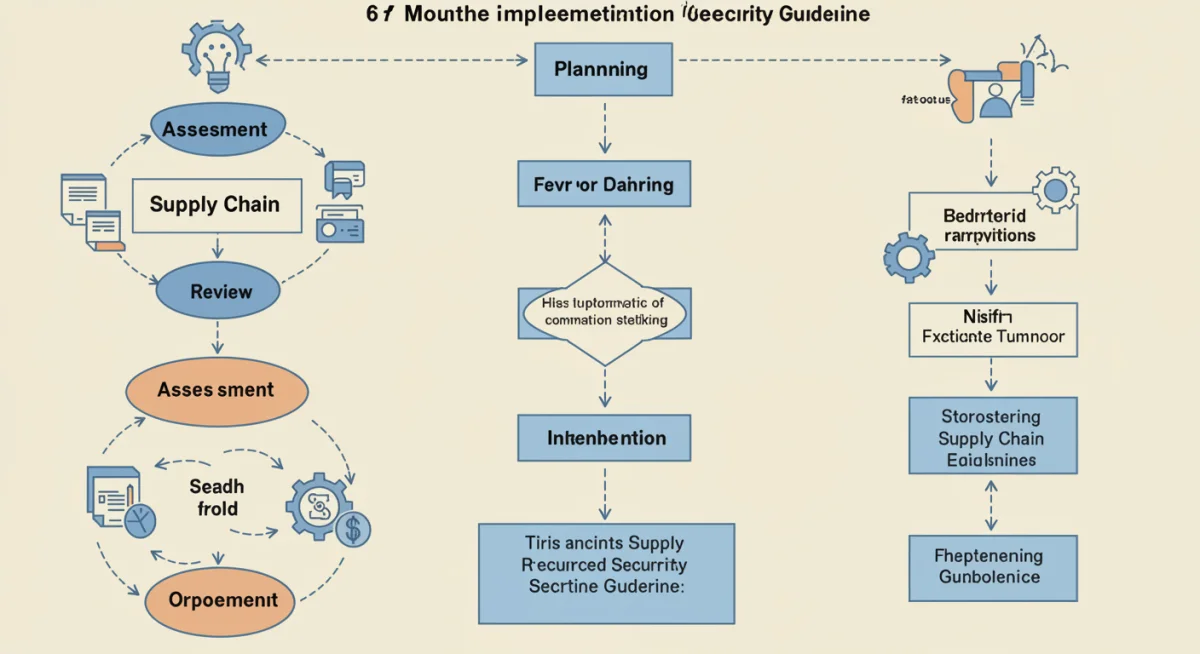
The plan should clearly define objectives, assign responsibilities, allocate resources, and establish realistic timelines for each task. Break down the larger goal of NIST compliance into smaller, manageable milestones. Consider the interdependencies between different security controls and prioritize actions that address the most significant risks first.
Strategic Planning Components
An effective implementation plan must encompass several strategic components to ensure all aspects of the NIST guidelines are addressed systematically.
- Resource Allocation: Identify the human, financial, and technological resources required for each phase of implementation.
- Policy and Procedure Updates: Outline necessary revisions to existing security policies, procurement procedures, and vendor management frameworks.
- Technology Solutions: Research and select appropriate tools and technologies to enhance supply chain visibility, threat detection, and incident response.
- Training and Awareness: Develop a training program for employees, emphasizing their role in maintaining supply chain security.
This planning phase is not a one-time event but an iterative process. Regular reviews and adjustments will be necessary as the implementation progresses and new insights emerge. A well-constructed plan now will prevent costly delays and rework later, setting the stage for efficient compliance.
Executing the Implementation Strategy (Month 4-5)
With a robust plan in place, months four and five are dedicated to the rigorous execution of the defined strategy. This is where the theoretical framework translates into tangible security enhancements. This phase demands meticulous project management, continuous communication, and proactive problem-solving to overcome inevitable challenges.
Prioritize tasks identified in the planning phase, focusing initially on quick wins that address critical vulnerabilities and establish foundational controls. Simultaneously, initiate longer-term projects, such as integrating new security technologies or overhauling vendor management systems. Regular progress meetings and clear reporting mechanisms are essential to keep the implementation on track and ensure accountability across all involved departments.
Key Implementation Actions
Successful execution involves a range of activities, from updating policies to deploying new technologies and training personnel.
- Vendor Contract Renegotiation: Update contracts with third-party vendors to include NIST-compliant security clauses and audit rights.
- Security Tool Deployment: Implement tools for continuous monitoring, vulnerability scanning, and threat intelligence specific to supply chain risks.
- Employee Training Rollout: Conduct comprehensive training sessions for all relevant personnel on updated policies, procedures, and best practices for supply chain security.
- Supply Chain Mapping Enhancement: Utilize technology to gain deeper visibility into multi-tier supply chains, identifying all components and their origins.
Throughout this period, it is vital to document all changes, decisions, and challenges encountered. This documentation will be invaluable for future audits, continuous improvement, and demonstrating due diligence in meeting NIST requirements. This execution phase is about building the necessary infrastructure and processes.
Testing, Validation, and Continuous Improvement (Month 6)
The final month of the initial 6-month strategy focuses on validating the effectiveness of the implemented controls and establishing a framework for continuous improvement. Achieving NIST compliance is not a destination but an ongoing journey. This phase ensures that the new security measures are functioning as intended and that the organization is prepared for future challenges.
Conduct internal audits, penetration tests, and simulated supply chain attacks to rigorously test the newly implemented security controls. Engage independent third-party auditors to provide an objective assessment of your compliance status. This external validation can offer critical insights and enhance the credibility of your security posture. Use the findings from these tests to identify any remaining weaknesses and refine your security program.
Establishing a Continuous Security Lifecycle
Sustaining a strong supply chain security posture requires more than just initial compliance; it demands a commitment to ongoing vigilance and adaptation.
- Regular Audits: Schedule periodic internal and external audits to ensure continued compliance with NIST guidelines and internal policies.
- Threat Intelligence Integration: Continuously monitor threat intelligence feeds to anticipate and respond to emerging supply chain attack vectors.
- Performance Metrics: Define key performance indicators (KPIs) and metrics to track the effectiveness of supply chain security controls over time.
- Feedback Loops: Establish mechanisms for collecting feedback from all stakeholders to drive continuous improvement in security practices.
By the end of the sixth month, U.S. tech companies should not only be compliant with the new NIST guidelines but also have a robust, adaptive security program in place, capable of protecting their supply chains against the ever-evolving threat landscape. This commitment to continuous improvement is the hallmark of true resilience.
The Strategic Advantage of NIST Compliance
Beyond regulatory adherence, embracing the new NIST guidelines offers significant strategic advantages for U.S. tech companies. In an increasingly interconnected world, a strong cybersecurity posture, particularly within the supply chain, can be a distinct competitive differentiator. Companies that can demonstrate robust security frameworks will build greater trust with customers, partners, and investors, ultimately enhancing their market position.
Proactive compliance also mitigates the financial and reputational risks associated with supply chain breaches. The costs of a cyberattack, including data recovery, legal fees, regulatory fines, and brand damage, can be astronomical. By investing in NIST-guided security measures, tech companies are essentially investing in their long-term stability and growth. This isn’t just about avoiding penalties; it’s about fostering innovation within a secure ecosystem.
Building Trust and Resilience
The benefits extend beyond mere risk reduction, touching upon core business values and operational excellence.
- Enhanced Customer Confidence: Demonstrating a commitment to securing customer data and products through NIST standards can significantly boost customer loyalty.
- Improved Partner Relationships: Secure supply chains foster stronger, more reliable partnerships, as all parties benefit from reduced risk exposure.
- Operational Efficiency: Streamlined and secure supply chain processes can lead to greater operational efficiency and reduced friction.
- Competitive Edge: Companies with certified NIST compliance may gain an advantage in securing government contracts and attracting security-conscious clients.
Ultimately, the new NIST guidelines serve as a catalyst for U.S. tech companies to elevate their security game, transforming potential vulnerabilities into sources of strength. This strategic shift is imperative for thriving in the complex digital economy of 2025 and beyond.
| Key Implementation Phase | Brief Description |
|---|---|
| Months 1-2: Assessment | Conduct a thorough gap analysis of current security postures against new NIST guidelines, identifying vulnerabilities. |
| Month 3: Planning | Develop a tailored, actionable implementation plan, defining resources, responsibilities, and timelines. |
| Months 4-5: Execution | Implement new security controls, update policies, deploy technologies, and conduct comprehensive employee training. |
| Month 6: Validation | Test and validate implemented controls through audits and penetration tests, establishing continuous improvement processes. |
Frequently Asked Questions About NIST Supply Chain Security
The primary goals are to enhance the cybersecurity resilience of supply chains, minimize risks from third-party vendors, improve transparency into software and hardware components, and establish robust incident response capabilities for U.S. tech companies.
A 6-month strategy provides a structured, manageable timeline to assess current posture, plan necessary changes, execute implementations, and validate controls, ensuring comprehensive compliance without overwhelming resources. It balances urgency with thoroughness.
SBOMs are crucial for increasing transparency by providing a comprehensive list of all software components, including open-source elements. They help identify vulnerabilities and track provenance, significantly strengthening the supply chain’s security posture.