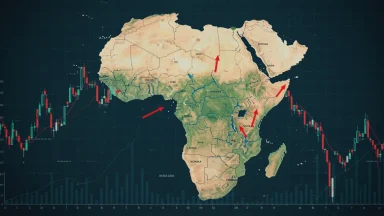
The global landscape is quietly shifting through several underreported regional conflicts, each holding significant potential to redefine U.S. foreign policy and international alliances by early 2026.
While mainstream media often focuses on prominent global flashpoints, a complex web of less-publicized regional conflicts continues to brew, subtly shaping geopolitical dynamics. Understanding these often-overlooked situations is crucial, as their evolution could significantly impact U.S. foreign policy by early 2026. This article aims to shed light on these unreported regional conflicts, preparing readers for potential shifts in America’s international strategy.
The Sahel’s Persistent Instability: A Brewing Storm
The Sahel region of Africa, stretching across multiple nations, is a critical area often overlooked in global security narratives. Despite its vastness and strategic importance, the region grapples with a persistent cycle of instability, marked by extremist violence, political coups, and humanitarian crises. This simmering unrest has profound implications for regional stability and, by extension, for U.S. interests in counter-terrorism and humanitarian aid.
The rise of various jihadist groups, such as Jama’at Nusrat al-Islam wal Muslimin (JNIM) and the Islamic State in the Greater Sahara (ISGS), has exacerbated existing ethnic tensions and weakened state authority. These groups exploit porous borders and socio-economic grievances, creating ungoverned spaces that serve as havens for illicit activities. The recent wave of military takeovers in countries like Mali, Burkina Faso, and Niger has further complicated the security landscape, leading to a realignment of international partnerships and a potential vacuum that extremist groups could readily fill.
The Domino Effect of Coups and Withdrawals
The political instability in the Sahel has created a challenging environment for international partners, including the U.S. and its European allies. The withdrawal of French and, more recently, American forces from certain areas, often at the insistence of new military regimes, has left a void. This has prompted concerns about counter-terrorism efforts and the potential for increased Russian influence, particularly through the Wagner Group.
- Weakened Counter-Terrorism Efforts: The reduction in foreign military presence has hampered intelligence gathering and operational capabilities against extremist groups.
- Humanitarian Crisis Escalation: Conflict and displacement exacerbate food insecurity and limit access to essential services for millions.
- Geopolitical Realignments: New military governments are exploring alternative partnerships, shifting regional power dynamics.
- Increased Russian Presence: The Wagner Group’s involvement introduces new security and geopolitical complexities.
The U.S. faces a delicate balancing act: maintaining counter-terrorism objectives while navigating complex political realities and avoiding entanglement in prolonged conflicts. The outcome of these dynamics in the Sahel will undoubtedly shape future U.S. foreign policy approaches to security cooperation, development aid, and diplomatic engagement in Africa.
Horn of Africa: Ethiopia’s Internal Strife and Regional Ripple Effects
The Horn of Africa remains a volatile region, and Ethiopia, a traditionally key U.S. ally, is at its epicenter. While the conflict in Tigray may have officially ended, its aftermath continues to reverberate, alongside other internal tensions and cross-border disputes. The stability of Ethiopia is intrinsically linked to the broader security of the Horn, a region vital for international shipping lanes and counter-terrorism efforts.
The Tigray conflict displaced millions and caused immense humanitarian suffering. Even with a peace agreement, ethnic tensions persist in various regions, including Oromia and Amhara. These internal fault lines threaten to reignite broader conflicts or fragment the nation, creating a power vacuum that could be exploited by regional and international actors. The U.S. has a significant stake in Ethiopia’s stability, given its historical influence and the country’s role in regional peacekeeping.
Sudan’s Descent into Chaos and Humanitarian Catastrophe
Adding to the regional fragility, Sudan has plunged into a devastating civil war between the Sudanese Armed Forces (SAF) and the Rapid Support Forces (RSF). This conflict has triggered one of the world’s worst humanitarian crises, with millions displaced and facing severe food shortages. The U.S. has actively sought to mediate, but a lasting peace remains elusive.
- Mass Displacement and Famine: Millions are internally displaced or have fled to neighboring countries, straining resources.
- Regional Destabilization: The conflict risks spilling over into adjacent nations, particularly South Sudan and Chad.
- External Interference: Various regional powers are backing different factions, complicating a peaceful resolution.
- U.S. Diplomatic Challenges: Washington faces increasing pressure to provide more robust humanitarian aid and facilitate a ceasefire.
The ongoing crises in Ethiopia and Sudan present significant challenges to U.S. foreign policy, requiring nuanced diplomatic engagement, humanitarian assistance, and strategic partnerships to prevent further regional destabilization and mitigate the impact on global security.
The South China Sea: Escalating Tensions Beyond Headlines
While often mentioned, the daily, incremental escalation in the South China Sea rarely receives the sustained, in-depth coverage it warrants. This disputed maritime region is a critical flashpoint, with China asserting expansive claims that overlap with those of Vietnam, the Philippines, Malaysia, Brunei, and Taiwan. The U.S., while not a claimant, has a vested interest in freedom of navigation and maintaining regional stability, making it a key player in this complex geopolitical chess game.
Recent years have seen an uptick in confrontational incidents, particularly between Chinese coast guard vessels and Filipino supply missions to the Second Thomas Shoal. These encounters, involving water cannons and dangerous maneuvers, highlight Beijing’s assertive tactics and the increasing risk of miscalculation. The U.S. has reiterated its commitment to its defense treaty with the Philippines, signaling potential intervention if an armed attack occurs.
The Economic and Strategic Stakes
The South China Sea is not only rich in natural resources, including oil and gas, but also serves as a vital artery for global trade, with an estimated one-third of the world’s shipping passing through its waters. Any significant disruption in this region would have profound economic consequences globally.
- Resource Control: China seeks to control vast energy reserves and fishing grounds, impacting claimant states’ economies.
- Freedom of Navigation: U.S. and allied naval operations challenge China’s claims, asserting international law.
- Military Buildup: China’s construction of artificial islands and military installations strengthens its presence, raising concerns about regional militarization.
- Alliance Commitments: The U.S. defense treaty with the Philippines could draw Washington into a direct confrontation.
The evolving situation in the South China Sea demands continuous vigilance from U.S. policymakers. The potential for a minor incident to escalate into a major international crisis is ever-present, making it a crucial factor in U.S. Indo-Pacific strategy and global foreign policy.
Caucasus Crossroads: Armenia-Azerbaijan and Beyond
The South Caucasus, a region at the geopolitical crossroads of Europe, Asia, and the Middle East, is another area where underreported tensions could erupt into broader conflict. The long-standing dispute between Armenia and Azerbaijan over Nagorno-Karabakh, though seemingly resolved in Azerbaijan’s favor, has left a legacy of resentment and instability that continues to simmer beneath the surface.
Azerbaijan’s swift military operations to reclaim Nagorno-Karabakh in 2023 led to the exodus of nearly the entire ethnic Armenian population. While a ceasefire is in place, the underlying issues of border demarcation, transit corridors, and the treatment of minorities remain contentious. Russia, traditionally the primary security guarantor in the region, has seen its influence wane, creating a vacuum that other powers, including Turkey and Iran, are keen to fill. The U.S. has attempted to mediate, but its influence is limited.
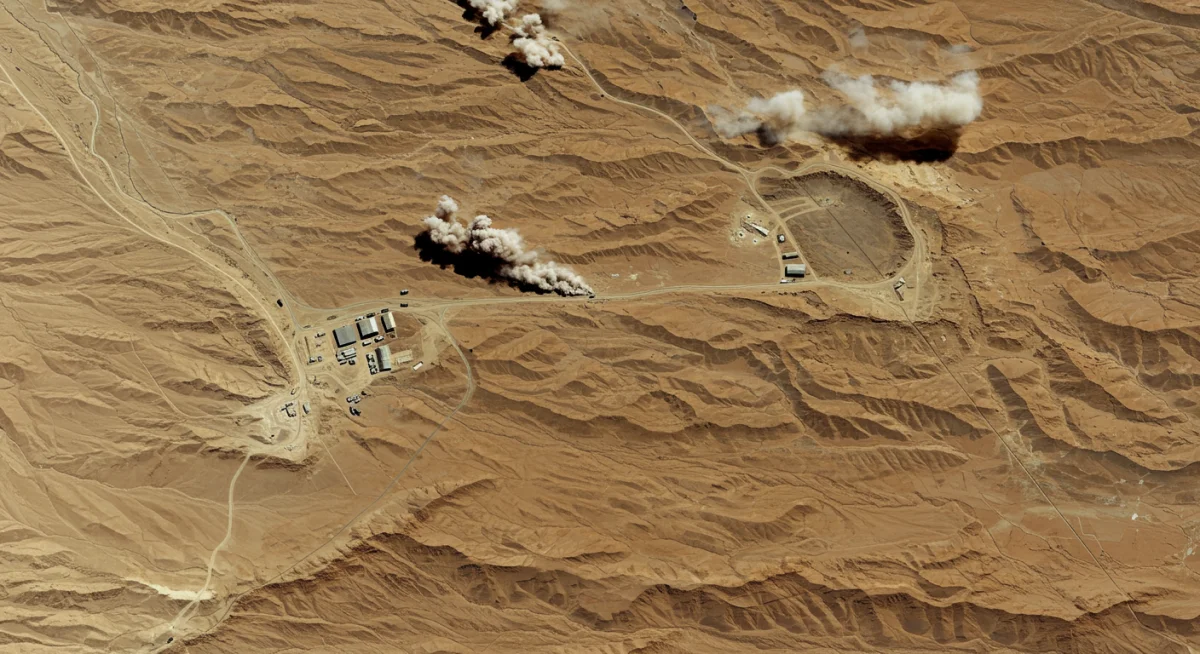
Beyond the immediate Armenia-Azerbaijan dynamic, the broader Caucasus region is susceptible to external interference. Iran views the region as part of its strategic periphery, while Turkey seeks to expand its influence through Turkic solidarity. These competing interests, coupled with internal political fragilities, create a highly combustible environment.
Energy Corridors and Geopolitical Chess
The Caucasus is also crucial for energy transit, with pipelines carrying oil and gas from the Caspian Sea to Europe. Any significant disruption here could impact global energy markets and supply chains, drawing in major powers.
- Border Demarcation: Unresolved border issues between Armenia and Azerbaijan remain a source of potential conflict.
- Zangezur Corridor: Azerbaijan’s demand for a transit corridor through Armenia creates a new flashpoint.
- Russian Influence Decline: Moscow’s reduced role opens doors for other regional actors, potentially increasing volatility.
- U.S. Diplomatic Efforts: Washington seeks to promote stability and prevent escalation, but faces stiff competition from regional powers.
The U.S. must carefully monitor developments in the Caucasus, as any renewed conflict or significant shift in regional alliances could have far-reaching implications for European energy security and broader geopolitical stability.
West Africa’s Coastal States: The Spread of Instability
The instability plaguing the Sahel is now threatening to spill over into the relatively stable coastal states of West Africa, such as Ghana, Togo, Benin, and Côte d’Ivoire. This southward creep of jihadist groups, coupled with domestic political fragilities and socio-economic challenges, represents a significant and underreported threat that could profoundly impact U.S. security interests in the region.
Extremist groups, driven from their traditional strongholds in the Sahel, are increasingly seeking new operational bases and recruitment grounds in these coastal nations. They exploit local grievances, including poverty, unemployment, and perceived government neglect, to establish footholds. While these countries have relatively stronger institutions than their Sahelian neighbors, they are not immune to the corrosive effects of radicalization and violence.
Economic Vulnerabilities and Security Responses
The coastal states are generally more economically developed, but their burgeoning populations and high youth unemployment rates create fertile ground for extremist recruitment. Their security forces, while often better equipped than those in the Sahel, face the challenge of adapting to asymmetric threats.
- Jihadist Infiltration: Extremist groups are establishing networks and conducting cross-border attacks.
- Youth Unemployment: Economic hardship provides a recruitment pool for radical organizations.
- Border Security Challenges: Long, porous borders facilitate the movement of militants and illicit goods.
- U.S. Security Assistance: Washington provides training and equipment to bolster local counter-terrorism capabilities.
U.S. foreign policy must prioritize preventative measures, including security assistance, development aid, and governance support, to help these coastal states build resilience against the encroaching threats. Preventing the full-scale destabilization of West Africa’s coastal region is critical to averting a larger security crisis with global implications.
Arctic Geopolitics: The Melting Ice and New Fronts
The Arctic, traditionally viewed as a remote and pristine wilderness, is rapidly transforming into a new geopolitical frontier. As climate change melts its ice caps, new shipping routes become viable, and access to vast untapped natural resources opens up. This transformation is fueling competition among Arctic and near-Arctic nations, particularly between Russia, China, and Western powers, creating a complex and underreported arena for future conflict that could significantly reshape U.S. foreign policy.
Russia has significantly militarized its Arctic coastline, reopening Soviet-era bases and deploying advanced weaponry. China, though not an Arctic nation, has declared itself a ‘near-Arctic state’ and is investing heavily in Arctic research and infrastructure, signaling its long-term strategic ambitions. These actions are viewed with concern by the U.S. and its allies, who fear a challenge to freedom of navigation and a potential militarization of the region.
Strategic Waterways and Resource Scramble
The opening of the Northern Sea Route and the Northwest Passage offers shorter transit times between Asia and Europe, promising significant economic benefits. However, this also raises questions about sovereignty, environmental protection, and international governance.
- New Shipping Lanes: Shorter routes reduce transit times and operational costs, increasing commercial interest.
- Resource Extraction: The Arctic holds vast reserves of oil, gas, and rare earth minerals, sparking a scramble for control.
- Military Presence: Russia’s enhanced military footprint in the Arctic challenges NATO’s northern flank.
- Environmental Concerns: Increased activity poses risks to the fragile Arctic ecosystem, demanding international cooperation.
The U.S. needs a coherent and robust Arctic strategy that balances national security interests with environmental stewardship and international cooperation. The shifting dynamics in the Arctic will undoubtedly influence U.S. defense planning, diplomatic engagements, and resource policies in the coming years.
The Eastern Mediterranean: Unresolved Maritime Disputes
The Eastern Mediterranean is a region fraught with unresolved maritime disputes, primarily driven by the discovery of significant natural gas reserves. This scramble for energy resources has exacerbated existing geopolitical rivalries between Turkey, Greece, Cyprus, Israel, and Egypt, creating an underreported flashpoint that could draw in external powers, including the U.S.
Turkey’s assertive claims over maritime zones, which often conflict with those of Greece and Cyprus, have led to naval standoffs and heightened tensions. Ankara’s energy exploration activities in disputed waters are seen as provocative by its neighbors and the European Union. The U.S. has a complex role, balancing its alliances with Greece and Turkey while promoting regional stability and energy security.
Energy Hub Potential and Regional Alliances
The Eastern Mediterranean has the potential to become a major energy hub, providing an alternative source of natural gas for Europe, reducing reliance on Russian supplies. This potential, however, is overshadowed by the lack of clear maritime boundaries and the absence of a universally accepted legal framework for resource exploitation.
- Gas Discoveries: Significant natural gas fields have been found, sparking competition for control.
- Maritime Delimitation: Disputed Exclusive Economic Zones (EEZs) are at the heart of the conflict.
- Regional Alliances: Greece, Cyprus, and Israel have formed energy and security partnerships, often excluding Turkey.
- U.S. Mediation Role: Washington aims to de-escalate tensions and facilitate dialogue while protecting its interests.
The U.S. foreign policy in the Eastern Mediterranean will need to navigate this intricate web of historical grievances, economic imperatives, and security concerns. Preventing an escalation of these maritime disputes is critical to safeguarding regional stability and ensuring diversified energy supplies for Europe.
| Key Conflict Zone | Potential U.S. Impact |
|---|---|
| Sahel Region | Counter-terrorism efforts, humanitarian aid, geopolitical realignments. |
| Horn of Africa | Regional stability, counter-terrorism, humanitarian crisis response. |
| South China Sea | Freedom of navigation, alliance commitments, global trade routes. |
| Arctic Geopolitics | Defense planning, resource access, international governance. |
Frequently Asked Questions About Unreported Regional Conflicts
These conflicts are often underreported due to their remote locations, complex historical contexts, lack of immediate direct impact on Western populations, and the prevalence of more sensational global headlines. Media attention tends to focus on crises with higher geopolitical stakes or clearer narratives.
They can impact U.S. foreign policy by creating new humanitarian crises, disrupting global trade routes, fostering environments for extremist groups, shifting international alliances, and requiring U.S. diplomatic and security resources to maintain stability and protect American interests.
Climate change acts as a significant threat multiplier. Resource scarcity, particularly water and arable land, exacerbated by changing weather patterns, intensifies competition among communities, fuels migration, and can provide recruitment opportunities for armed groups, especially in vulnerable regions like the Sahel.
Absolutely. Non-state actors, including various rebel groups, extremist organizations, and even private military contractors, often play pivotal roles. They can challenge state authority, control territory, exploit resources, and complicate peace efforts, requiring complex responses from international bodies and nations like the U.S.
Effective U.S. engagement requires a multi-faceted approach: proactive diplomacy, targeted security assistance, robust humanitarian aid, and long-term development strategies. Fostering resilient local governance and addressing root causes like poverty and injustice are crucial for sustainable peace and stability.
Conclusion
The global geopolitical landscape is a mosaic of interconnected challenges, many of which unfold far from the daily headlines. The seven underreported regional conflicts discussed—from the Sahel’s enduring instability to the Arctic’s new strategic significance—underscore the dynamic and unpredictable nature of international relations. For U.S. foreign policy by early 2026, understanding and proactively addressing these brewing storms will be paramount. Their evolution will not only test diplomatic resolve and strategic foresight but also redefine America’s role in a multipolar world. Ignoring these quieter conflicts risks unforeseen repercussions, making informed vigilance an indispensable component of national security and global stability.