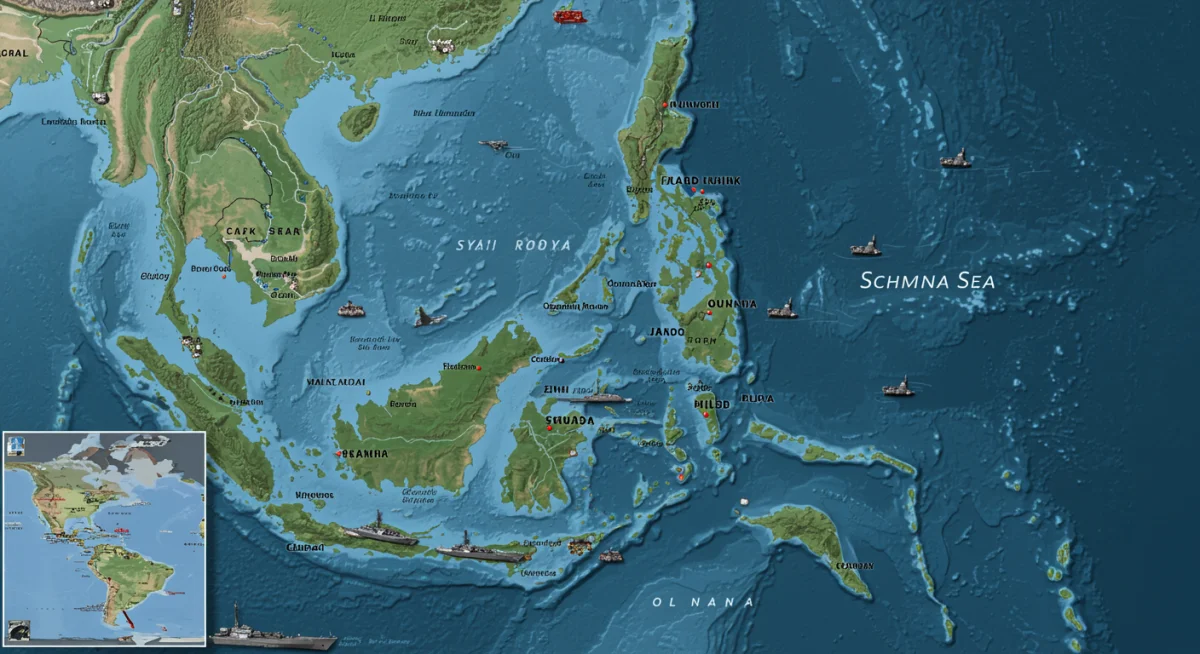
The effectiveness of U.S. alliance strategies in 2026 is critical for national security, with key partnerships shaping global stability and regional geopolitical dynamics against emerging threats.
In an increasingly complex and volatile global landscape, understanding the intricate web of alliances that define international relations is paramount. By 2026, the effectiveness of U.S. alliance strategies has become a cornerstone of American national security, influencing everything from economic stability to military readiness. This analysis delves into four major partnerships, examining their evolution, current impact, and future prospects in safeguarding U.S. interests and promoting global stability.
the transatlantic bond: NATO’s evolving role
The North Atlantic Treaty Organization (NATO) remains the bedrock of U.S. and European security, adapting to new challenges that extend far beyond its original Cold War mandate. In 2026, its role is more multifaceted than ever, encompassing cyber defense, counter-terrorism, and a renewed focus on collective defense following geopolitical shifts in Eastern Europe. The alliance’s ability to integrate new members and capabilities while maintaining internal cohesion is continuously tested.
The commitment to mutual defense under Article 5 has been reaffirmed, serving as a powerful deterrent. However, the equitable distribution of defense burdens among member states remains a persistent point of discussion, influencing the alliance’s overall readiness and perceived unity.
strengthening collective defense
NATO’s adaptations include enhanced forward presence in Eastern Europe and increased investment in high-end military capabilities. These measures aim to reinforce deterrence against potential aggression and ensure a rapid response capacity across the alliance’s operational areas.
- Enhanced Forward Presence (EFP) deployments.
- Increased defense spending targets for member nations.
- Modernization of military equipment and interoperability.
- Development of new strategic concepts to address hybrid warfare.
addressing emerging threats
Beyond conventional military threats, NATO has expanded its focus to include cyber warfare, disinformation campaigns, and the security implications of climate change. The alliance’s Cooperative Cyber Defence Centre of Excellence (CCDCOE) plays a crucial role in developing expertise and conducting exercises to counter these evolving risks. The shared understanding and response to these non-traditional threats are vital for alliance resilience.
In conclusion, NATO in 2026 is a dynamic alliance grappling with an evolving security environment. Its effectiveness hinges on continuous adaptation, robust collective defense, and a unified approach to both traditional and emerging threats, ensuring its relevance as a pillar of U.S. national security.
indo-pacific alliances: balancing power in a dynamic region
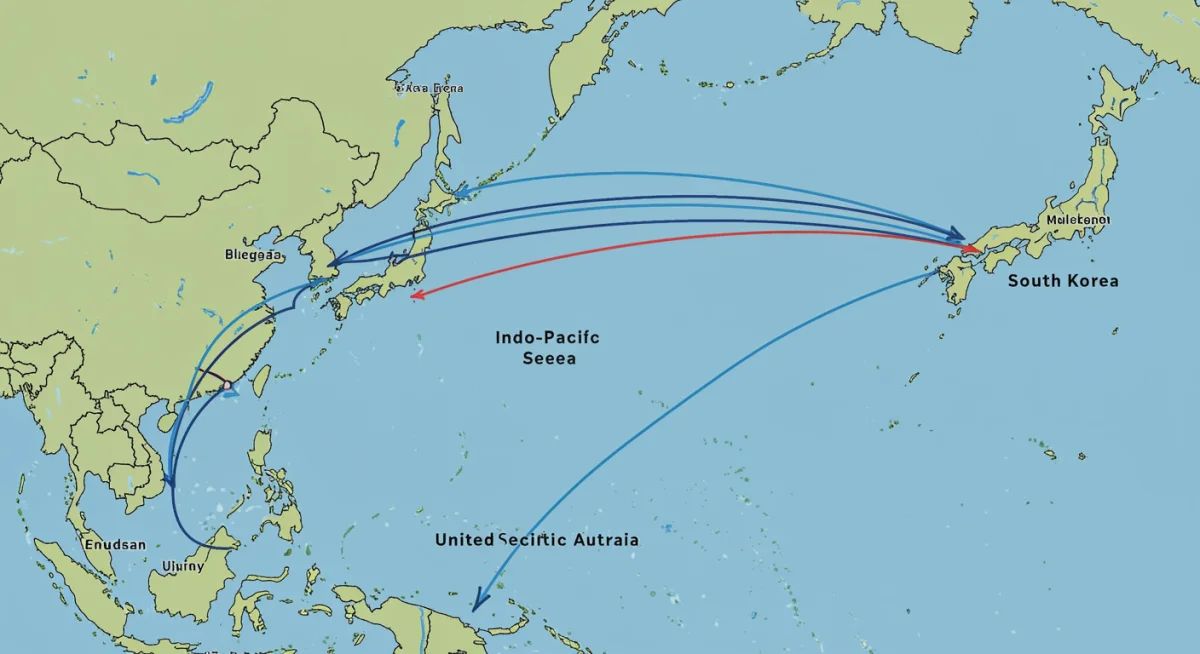
The Indo-Pacific region stands as a critical theater for U.S. foreign policy, characterized by rapid economic growth, complex territorial disputes, and increasing geopolitical competition. In 2026, U.S. alliances with Japan, South Korea, and Australia are pivotal in maintaining a free and open Indo-Pacific, countering revisionist powers, and ensuring regional stability. These partnerships are not static; they continually evolve to address new strategic imperatives and technological advancements.
The trilateral relationship between the U.S., Japan, and South Korea, while historically complex, has seen renewed efforts towards greater coordination, particularly in response to ballistic missile threats and regional security challenges. Australia’s role, through agreements like AUKUS, further solidifies a networked security architecture.
strengthening bilateral and multilateral cooperation
U.S. alliances in the Indo-Pacific are characterized by a blend of robust bilateral agreements and emerging multilateral frameworks. Regular joint military exercises, intelligence sharing, and diplomatic consultations enhance interoperability and strategic alignment. The Quadrilateral Security Dialogue (Quad) involving the U.S., Japan, Australia, and India, exemplifies a multilateral approach to regional challenges, focusing on maritime security, infrastructure development, and vaccine diplomacy.
- Joint military exercises (e.g., Talisman Sabre, Ulchi Freedom Shield).
- Enhanced intelligence sharing mechanisms.
- Technological cooperation, particularly in defense and emerging technologies.
- Diplomatic coordination on regional security issues.
economic and technological dimensions
Beyond military aspects, these alliances increasingly encompass economic and technological cooperation. Efforts to secure critical supply chains, foster technological innovation, and promote resilient economic ties are crucial. The U.S. seeks to leverage these partnerships to ensure global economic stability and mitigate risks associated with over-reliance on single sources for essential goods and technologies. This holistic approach recognizes that national security in the 21st century is inextricably linked to economic resilience and technological leadership.
In summary, the Indo-Pacific alliances are foundational to U.S. strategy in a region of immense strategic importance. Their effectiveness in 2026 relies on continued adaptation, robust military cooperation, and an expansive view of security that includes economic and technological dimensions.
middle eastern partnerships: navigating regional complexities
The Middle East remains a region of enduring strategic interest for the United States, albeit with evolving alliance dynamics. In 2026, U.S. partnerships with countries like Saudi Arabia, the United Arab Emirates, and Israel are crucial for counter-terrorism efforts, energy security, and regional stability. These alliances operate within a highly complex geopolitical environment marked by sectarian conflicts, proxy wars, and the persistent threat of extremist ideologies. The U.S. seeks to balance its security interests with promoting human rights and democratic values, often a delicate diplomatic act.
The Abraham Accords have reshaped regional diplomacy, fostering new avenues for cooperation between Israel and several Arab nations. This development has presented both opportunities and challenges for U.S. alliance strategies, requiring careful navigation to maximize positive outcomes.
counter-terrorism and regional security
A primary focus of U.S. engagement in the Middle East is combating terrorism and preventing the proliferation of weapons of mass destruction. Partnerships facilitate intelligence sharing, joint military training, and coordinated actions against extremist groups. The stability of key energy-producing nations also remains a significant concern, influencing U.S. military presence and diplomatic efforts.
- Intelligence cooperation on extremist networks.
- Military assistance and training programs.
- Diplomatic efforts to de-escalate regional conflicts.
- Support for maritime security in critical waterways.
balancing interests and values
The U.S. faces the ongoing challenge of balancing its strategic interests in the Middle East with its commitment to human rights and democratic governance. This often leads to complex policy decisions and necessitates a nuanced approach to alliance management. The effectiveness of these partnerships is increasingly judged not just by security outcomes but also by their alignment with broader U.S. values and long-term regional stability.
Overall, U.S. alliances in the Middle East in 2026 are characterized by a pragmatic approach to complex security challenges. Their continued effectiveness depends on adapting to regional shifts, fostering new diplomatic pathways, and carefully balancing strategic imperatives with foundational U.S. principles.
latin american security cooperation: addressing shared challenges
While often overshadowed by other regions, Latin America holds significant importance for U.S. national security, particularly concerning issues like migration, drug trafficking, and transnational crime. In 2026, U.S. security cooperation with partners across Latin America, including Mexico, Colombia, and Brazil, focuses on strengthening institutional capacities, promoting rule of law, and addressing shared threats that directly impact U.S. borders and communities. These alliances are built on principles of shared responsibility and mutual respect.
The emphasis has shifted towards comprehensive approaches that integrate security, economic development, and governance initiatives. This holistic strategy recognizes the interconnectedness of these challenges and the need for multifaceted solutions.
combating transnational crime
A major pillar of U.S. engagement in Latin America is the fight against transnational criminal organizations (TCOs) involved in drug smuggling, human trafficking, and illicit financial flows. Partnerships involve law enforcement cooperation, intelligence sharing, and capacity-building programs to enhance partner nations’ abilities to counter these threats. The effectiveness of these efforts directly contributes to U.S. domestic security by disrupting criminal networks before they reach U.S. territory.
- Joint law enforcement operations.
- Information sharing to track criminal networks.
- Training and equipment for security forces.
- Programs to strengthen judicial systems.
promoting regional stability and prosperity
Beyond direct security threats, U.S. cooperation aims to foster regional stability and economic prosperity, recognizing that these factors are crucial for long-term security. Initiatives include support for democratic institutions, sustainable development projects, and humanitarian assistance. A stable and prosperous Latin America is inherently more secure for the United States, reducing pressures like irregular migration and enhancing regional cooperation on a broader range of issues.
Ultimately, U.S. security cooperation in Latin America in 2026 is vital for addressing immediate threats and fostering long-term stability in the Western Hemisphere. Its effectiveness is measured by the ability to build resilient partnerships that tackle shared challenges through integrated security and development strategies.
adapting to a multipolar world: future directions for U.S. alliances
The global geopolitical landscape in 2026 is undeniably multipolar, with rising powers and shifting influence necessitating a flexible and adaptive approach to U.S. alliance strategies. The traditional hub-and-spoke model, while still relevant, is being augmented by more agile, issue-based coalitions and multilateral engagements. The U.S. must continue to innovate in how it cultivates and leverages these partnerships to address a diverse array of global challenges, from climate change and pandemics to technological competition and space security.
Maintaining a technological edge and fostering economic resilience among allies are increasingly important aspects of alliance management. The ability to collectively harness innovation and secure critical supply chains will be a determinant of long-term strategic advantage.
flexible and networked security structures
The future of U.S. alliances lies in their ability to form flexible, networked security structures that can respond rapidly to emergent threats. This involves strengthening existing bilateral and multilateral ties while also being open to ad-hoc coalitions focused on specific issues. The emphasis is on interoperability, shared situational awareness, and complementary capabilities among partners. This agility allows for a more tailored response to diverse and unpredictable global events, moving beyond rigid, geographically defined blocs.
- Development of rapid response frameworks with allies.
- Integration of civilian and military capabilities across partnerships.
- Exploration of new security dialogues beyond traditional formats.
- Investment in joint research and development for defense technologies.
the role of economic and soft power
Beyond military might, the effectiveness of U.S. alliances in a multipolar world also depends heavily on economic influence and soft power. Promoting shared values, fostering economic interdependence, and engaging in robust public diplomacy are crucial for strengthening the bonds of alliance. Economic statecraft, including trade agreements and development aid, can serve as powerful tools for reinforcing partnerships and extending U.S. influence, complementing traditional security measures. This comprehensive approach ensures that alliances are deep-rooted and resilient against external pressures.
In conclusion, U.S. alliance strategies in 2026 are evolving to meet the demands of a complex multipolar world. Future effectiveness will depend on embracing flexibility, fostering networked security, and integrating economic and soft power tools alongside traditional military cooperation.
challenges and opportunities for alliance resilience
The resilience of U.S. alliance strategies in 2026 is constantly tested by internal and external pressures. Internal challenges include political polarization within allied nations, varying commitment to defense spending, and differing perceptions of threat priorities. Externally, the rise of revisionist powers, the proliferation of advanced weaponry, and the increasing interconnectedness of global challenges demand continuous adaptation and strategic foresight. Navigating these complexities requires sustained diplomatic effort and a clear articulation of shared interests.
Despite these challenges, opportunities for strengthening alliances abound. These include leveraging technological advancements for enhanced interoperability, fostering greater economic integration, and expanding cooperation into new domains like space and cyber security. The shared experience of global crises often serves as a catalyst for deeper collaboration and mutual support among allies.
internal cohesion and burden-sharing
Maintaining internal cohesion within alliances is paramount. Disparities in defense spending, divergent national interests, and the rise of nationalist sentiments in some allied countries can strain partnerships. The U.S. consistently advocates for greater burden-sharing, emphasizing that collective security is a shared responsibility. Successful alliance management involves continuous dialogue, compromise, and a clear understanding of each member’s contributions and concerns. This ongoing negotiation is a hallmark of robust and democratic alliances.
- Regular high-level consultations among allied leaders.
- Mechanisms for dispute resolution and policy coordination.
- Transparency in defense budgets and military contributions.
- Public diplomacy efforts to reinforce shared values and goals.
innovating for future security environments
The future security environment will be shaped by rapid technological change, climate change impacts, and evolving forms of conflict. U.S. alliances must innovate to remain effective. This means investing in joint research and development, developing common standards for emerging technologies, and preparing for multi-domain operations that integrate capabilities across land, sea, air, space, and cyber. Proactive adaptation, rather than reactive responses, will be key to maintaining a strategic advantage and ensuring long-term security. The ability to collectively anticipate and prepare for future threats will define the resilience of these partnerships.
In conclusion, the resilience of U.S. alliance strategies in 2026 is a function of their ability to manage internal dynamics while innovating to meet future security challenges. Opportunities for strengthening these vital partnerships lie in continuous adaptation, technological collaboration, and unwavering commitment to shared strategic goals.
| Key Alliance | Primary Focus in 2026 |
|---|---|
| NATO | Collective defense, cyber security, counter-terrorism, and adaptation to Eastern European geopolitical shifts. |
| Indo-Pacific (Japan, S. Korea, Australia) | Maintaining a free and open Indo-Pacific, countering revisionist powers, securing critical supply chains. |
| Middle East (Saudi Arabia, UAE, Israel) | Counter-terrorism, energy security, regional stability, and navigating new diplomatic pathways. |
| Latin America (Mexico, Colombia, Brazil) | Combating transnational crime, ensuring border security, promoting regional stability and development. |
frequently asked questions about U.S. alliance strategies
U.S. alliance strategies adapt through continuous dialogue, joint military exercises, and intelligence sharing. They also focus on developing new capabilities in areas like cyber defense and space security, ensuring partners can collectively respond to both traditional and emerging challenges effectively.
Economic cooperation is increasingly vital, focusing on securing critical supply chains, fostering technological innovation, and promoting resilient economic ties. This approach recognizes that economic stability and technological leadership are integral to national security and alliance strength.
While both are crucial for security, Indo-Pacific alliances often involve a mix of robust bilateral agreements and emerging multilateral frameworks like the Quad. NATO is a formal collective defense treaty, whereas Indo-Pacific partnerships are more flexibly structured to address diverse regional challenges.
U.S. alliances in the Middle East navigate complex sectarian conflicts, proxy wars, and the threat of extremism. A key challenge is balancing strategic interests like counter-terrorism and energy security with the promotion of human rights and democratic values.
Latin American security cooperation is crucial for addressing direct threats like drug trafficking and transnational crime that impact U.S. borders. It also promotes regional stability, economic development, and democratic governance, reducing pressures like irregular migration.
conclusion
The evaluation of U.S. alliance strategies in 2026 underscores their indispensable role in safeguarding national security and promoting global stability. From the enduring strength of NATO to the dynamic evolution of Indo-Pacific partnerships, the nuanced engagements in the Middle East, and vital security cooperation in Latin America, these alliances are continually adapting to a rapidly changing world. Their effectiveness hinges on sustained diplomatic effort, shared commitment, and the ability to innovate in response to both traditional and emerging threats, ensuring a resilient and secure future for the United States and its partners.