Increased volatility in three major regional conflict zones over the last 90 days directly impacts US foreign policy priorities for 2025, demanding adaptive diplomatic and security strategies.
In a rapidly shifting global landscape, understanding the dynamics of international instability is paramount. This article delves into recent updates: three major regional conflict zones showing increased volatility in the last 90 days and their direct implications for US foreign policy in 2025. We will explore the nuances of these critical areas, examining how their escalation demands a strategic recalibration of American diplomatic and security approaches.
The Sahel Region: A Crucible of Instability
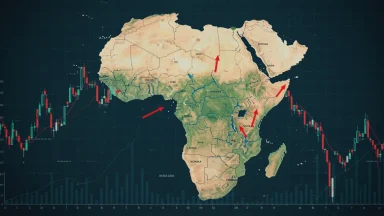
The Sahel, a vast semi-arid belt stretching across Africa, has witnessed a dramatic surge in instability over the past quarter. This region, already grappling with deep-seated issues of poverty, climate change, and weak governance, has become a hotbed for extremist groups and political unrest. The implications for US foreign policy extend beyond immediate security concerns, touching upon humanitarian aid, counter-terrorism efforts, and regional stability.
Recent coups and attempted coups in countries like Niger and Gabon, while distinct in their immediate causes, underscore a broader trend of democratic backsliding and increased military influence. These events create power vacuums that extremist organizations, such as affiliates of Al-Qaeda and ISIS, are quick to exploit. The withdrawal of French and, in some cases, US forces from certain areas has further complicated the security landscape, raising questions about the efficacy of current international interventions.
Escalating Security Challenges
The rise in armed group activity, including kidnappings, attacks on civilian populations, and clashes with national armies, poses a direct threat to regional stability. The porous borders and vast, ungoverned spaces facilitate the movement of these groups, making containment exceptionally difficult. This escalating violence has profound humanitarian consequences, displacing millions and exacerbating food insecurity.
- Increased terrorist attacks against civilian and military targets.
- Expansion of extremist group control into new territories.
- Heightened risk of regional spillover, affecting neighboring states.
- Challenges to humanitarian access and aid delivery.
For the US, this volatility means a heightened risk of terrorist threats originating from the region, potentially impacting American interests abroad and at home. It also strains resources, demanding a careful balance between direct military intervention and support for local security forces, alongside robust diplomatic engagement.
The situation in the Sahel demands a multifaceted approach from the US, combining security assistance with development initiatives to address the root causes of instability. Without a comprehensive strategy, the region risks further descent into chaos, with significant global repercussions.
The South China Sea: Geopolitical Tensions Mounting
The South China Sea remains a critical flashpoint, with increased assertiveness from China and growing concerns among claimant states and international powers, including the United States. Over the last 90 days, incidents involving maritime militias, coast guard vessels, and fishing fleets have intensified, signaling a dangerous escalation in a strategically vital waterway. This volatility directly challenges current international law and freedom of navigation, making it a central concern for US foreign policy in 2025.
China’s ongoing construction and militarization of artificial islands, coupled with its expansive territorial claims, continue to be a primary driver of tension. These actions are perceived by many as a direct challenge to the established international order and a threat to regional stability. The Philippines, Vietnam, Malaysia, Brunei, and Taiwan all have competing claims, often leading to confrontations at sea.
Freedom of Navigation Operations (FONOPs)
The US has consistently conducted Freedom of Navigation Operations (FONOPs) in the South China Sea to assert its right to operate in international waters and challenge what it views as excessive maritime claims. These operations, while intended to uphold international law, are frequently met with strong condemnation from Beijing, increasing the risk of miscalculation or accidental escalation.
- Increased frequency of encounters between US and Chinese naval assets.
- Beijing’s continued expansion of its maritime infrastructure.
- Growing concerns among ASEAN nations regarding Chinese assertiveness.
- The potential for economic disruption to global trade routes.
The economic implications are also substantial, as a significant portion of global trade passes through these waters. Any major disruption could have ripple effects on the global economy, directly impacting US economic interests. The US approach in 2025 must therefore carefully balance deterrence with diplomacy, seeking to de-escalate tensions while upholding international norms.
The heightened activity in the South China Sea underscores the need for a robust and consistent US presence in the Indo-Pacific. This involves strengthening alliances, providing security assistance to regional partners, and advocating for peaceful, rules-based resolutions to maritime disputes.
Eastern Europe and the Black Sea Region: Persistent Frontline Challenges
The conflict in Eastern Europe continues to be a defining feature of the international security landscape, with the Black Sea region emerging as a critical theater of operations and geopolitical competition. Over the past three months, the intensity of engagements, particularly naval and aerial activities, has significantly increased, posing complex challenges for US foreign policy. The implications for 2025 include sustained military aid, diplomatic pressure, and the reinforcement of NATO’s eastern flank.
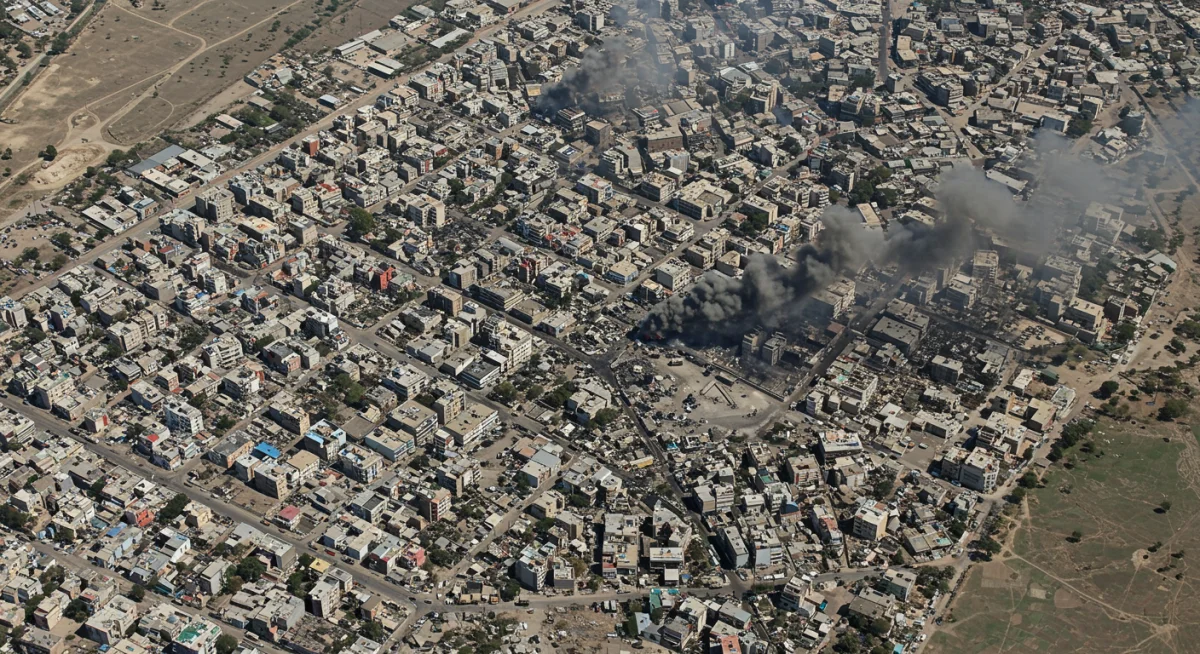
The ongoing conflict has transformed the Black Sea into a zone of heightened military presence and strategic maneuvering. Both sides are vying for control and influence, impacting crucial shipping lanes and energy routes. The targeting of civilian infrastructure and port facilities has not only caused immense human suffering but also created significant disruptions to global food supplies, particularly grain exports.
NATO’s Enhanced Deterrence
The US, as a leading member of NATO, has a vested interest in preventing further escalation and ensuring the security of its allies in the region. This has translated into increased military deployments, joint exercises, and robust intelligence sharing. The goal is to deter aggression while simultaneously supporting the sovereignty and territorial integrity of affected nations.
- Sustained military and financial aid to Ukraine.
- Reinforcement of NATO’s presence in Eastern European member states.
- Increased naval patrols and surveillance in the Black Sea.
- Ongoing diplomatic efforts to isolate adversaries and build international consensus.
The humanitarian crisis stemming from the conflict continues to be a major concern, with millions displaced and in need of assistance. US foreign policy in 2025 must therefore integrate humanitarian aid with security objectives, addressing the immediate needs of affected populations while working towards a lasting resolution.
The persistent volatility in Eastern Europe and the Black Sea region demands a comprehensive and resolute US foreign policy. This includes maintaining strong alliances, adapting to evolving military tactics, and pursuing diplomatic avenues to de-escalate tensions and protect international norms.
Interconnectedness of Global Conflicts and US Strategy
The three regional conflict zones—the Sahel, the South China Sea, and Eastern Europe/Black Sea—though geographically distinct, are increasingly interconnected. The volatility in one region can have ripple effects, influencing security dynamics, economic stability, and diplomatic alignments across the globe. This interconnectedness necessitates a holistic and adaptive US foreign policy strategy for 2025, moving beyond isolated responses to comprehensive global engagement.
For instance, increased instability in the Sahel could divert counter-terrorism resources from other regions, while disruptions in the South China Sea could impact global supply chains, affecting economies worldwide. Similarly, the ongoing conflict in Eastern Europe has global implications for energy markets and food security. The US cannot afford to view these challenges in isolation; a failure to address one effectively can exacerbate others.
Strategic Implications for 2025
The US needs a foreign policy framework that acknowledges and responds to these complex interdependencies. This involves strengthening multilateral institutions, fostering international cooperation, and leveraging diplomatic tools to preemptively address emerging threats. The emphasis must be on building resilience in partner nations and promoting shared security interests.
- Developing integrated intelligence sharing networks across regions.
- Coordinating humanitarian and development aid to address root causes.
- Enhancing cyber security cooperation to counter state-sponsored threats.
- Promoting dialogue and de-escalation mechanisms in contested areas.
The rise of non-state actors and hybrid warfare tactics further complicates the landscape, requiring flexible and innovative responses. The US must invest in intelligence capabilities, diplomatic capacities, and agile military forces capable of operating across diverse environments.
Ultimately, the interconnectedness of these global conflicts means that US foreign policy in 2025 must be characterized by adaptability, foresight, and a commitment to international collaboration. A siloed approach will prove insufficient in the face of such complex and evolving threats.
Economic Dimensions and Global Supply Chains
Beyond direct security implications, the volatility in these regional conflict zones carries significant economic consequences, particularly for global supply chains and energy markets. These disruptions invariably affect the United States, underscoring the need for economic resilience to be a core component of US foreign policy in 2025. The stability of these regions is directly linked to the health of the global economy, and by extension, American prosperity.
The Black Sea region, for example, is a major conduit for grain exports, and its disruption has led to increased food prices and exacerbated food insecurity in vulnerable nations. Similarly, the South China Sea is a critical shipping lane for vast amounts of global trade, including electronics, manufactured goods, and energy resources. Any significant escalation there could lead to severe supply chain bottlenecks, driving up consumer costs and impacting industries worldwide.
Impact on Energy Markets
Conflict zones often overlap with key energy production and transit routes. Volatility in these areas can lead to price spikes and uncertainty in global energy markets. The US, while increasingly energy independent, is still deeply integrated into the global energy system, and such disruptions can have indirect but significant impacts on its economy.
- Disruption of critical shipping lanes and trade routes.
- Increased volatility in global commodity prices, especially food and energy.
- Diversion of investment from unstable regions, hindering economic development.
- Pressure on international aid budgets due to humanitarian crises.
The Sahel, while not a primary global trade route, faces internal economic instability that contributes to migration pressures and creates fertile ground for illicit economies, which can undermine legitimate trade and financial systems. Addressing these economic vulnerabilities is crucial for long-term stability and aligns with US economic interests.
Therefore, US foreign policy in 2025 must prioritize strategies that enhance the resilience of global supply chains, promote energy security, and foster economic development in vulnerable regions. This includes diplomatic efforts to ensure open trade routes and support for international economic cooperation initiatives.
Humanitarian Crises and Diplomatic Responses
The increased volatility in the Sahel, Eastern Europe, and the South China Sea tragically correlates with escalating humanitarian crises. Millions are displaced, food insecurity is rampant, and access to basic services is severely curtailed. For US foreign policy in 2025, a robust and compassionate diplomatic response to these humanitarian emergencies is not just an ethical imperative but a strategic necessity, influencing international partnerships and global perceptions.
In the Sahel, the combination of conflict, climate change, and poverty has created one of the world’s most complex humanitarian situations. Displaced populations are vulnerable to exploitation, and the breakdown of social structures fuels further instability. In Eastern Europe, the scale of displacement and the destruction of infrastructure present immense challenges for aid organizations and host nations.
International Cooperation and Aid
The US has historically been a leading provider of humanitarian aid, and this role remains critical. However, the scale of current crises demands enhanced international cooperation. Coordinating aid efforts with allies and international organizations ensures more effective and efficient delivery of assistance to those most in need. Diplomatic efforts are essential to secure safe passage for aid workers and to advocate for the protection of civilians.
- Increased funding for humanitarian assistance programs.
- Advocacy for adherence to international humanitarian law.
- Support for refugee and internally displaced person (IDP) populations.
- Diplomatic pressure to facilitate humanitarian access in conflict zones.
Even in the South China Sea, while not a traditional humanitarian crisis zone, potential future escalations could lead to maritime incidents with humanitarian consequences, such as mass displacement or environmental disasters. Proactive diplomatic engagement can mitigate these risks and establish frameworks for emergency response.
Addressing humanitarian crises effectively enhances US moral leadership and builds goodwill among affected populations and international partners. It is a vital component of a comprehensive foreign policy that seeks to alleviate suffering while simultaneously promoting long-term stability and reducing the drivers of conflict.
| Conflict Zone | Key US Policy Implication |
|---|---|
| The Sahel Region | Counter-terrorism, humanitarian aid, democratic stabilization. |
| South China Sea | Freedom of navigation, alliance reinforcement, de-escalation efforts. |
| Eastern Europe/Black Sea | Military aid, NATO deterrence, global food security. |
| Global Interconnectedness | Holistic strategy, multilateral engagement, economic resilience. |
Frequently Asked Questions About US Foreign Policy and Regional Conflicts
Increased instability in the Sahel heightens the risk of terrorist groups expanding their reach, potentially threatening US interests and personnel globally. It also creates avenues for illicit trafficking, which can fund extremist activities. The US must adapt its counter-terrorism strategies and bolster regional partners to mitigate these evolving threats effectively.
US interests in the South China Sea center on upholding freedom of navigation and overflight, ensuring unimpeded lawful commerce, and promoting peaceful resolution of disputes. It also involves supporting allies and partners in the region, maintaining a stable Indo-Pacific, and preventing any single power from dominating this critical waterway.
The conflict in the Black Sea region has severely disrupted grain exports from Ukraine, a major global supplier. This disruption contributes to higher food prices and exacerbates food insecurity worldwide, particularly in developing nations. US foreign policy aims to facilitate safe passage for agricultural shipments and support alternative supply routes.
Climate change intensifies resource scarcity, particularly water and arable land, exacerbating existing ethnic and social tensions in the Sahel. This environmental degradation displaces communities, fuels competition for diminishing resources, and creates vulnerabilities that extremist groups exploit. Addressing climate impacts is crucial for long-term regional stability.
Balancing deterrence and diplomacy requires a clear articulation of red lines, credible military capabilities, and a willingness to engage in dialogue. The US must project strength to deter aggression while simultaneously pursuing diplomatic channels to de-escalate tensions, build trust, and find peaceful resolutions. This dual approach is vital in managing complex regional conflicts.
Conclusion
The past 90 days have underscored the dynamic and challenging nature of global security, with increased volatility across the Sahel, the South China Sea, and Eastern Europe/Black Sea regions. These developments present multifaceted challenges that demand a sophisticated and adaptive US foreign policy in 2025. From counter-terrorism and maritime security to economic resilience and humanitarian aid, the interconnectedness of these crises necessitates a comprehensive, collaborative, and forward-looking approach. By strengthening alliances, promoting international law, and investing in both security and development, the US can navigate these turbulent waters, safeguarding its national interests while contributing to global stability.