Wearable Tech Future: Health Monitoring Trends US 2026
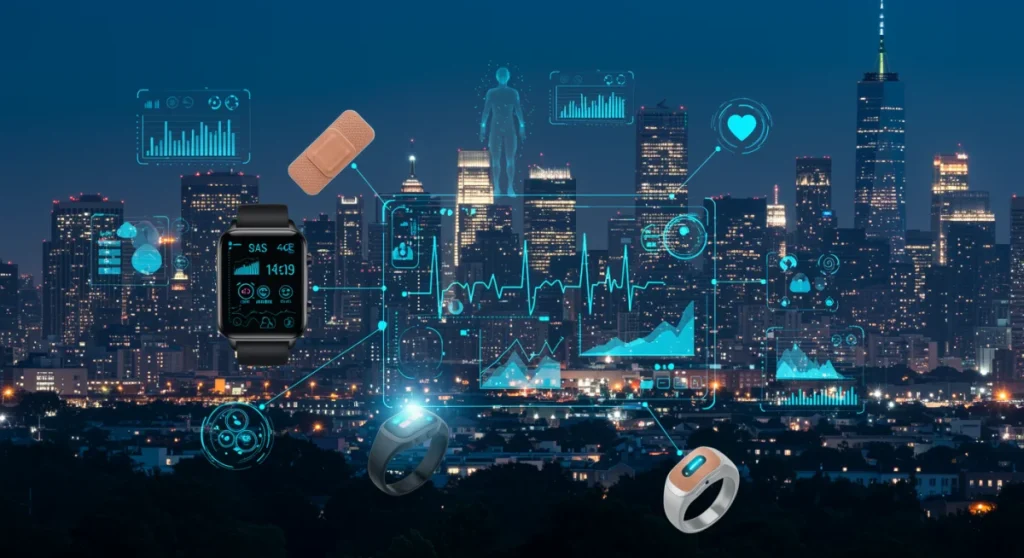
The future of wearable tech in US health monitoring by 2026 will be defined by pervasive advanced sensors, AI-driven personalized insights, seamless integration with healthcare systems, and the widespread adoption of remote patient monitoring.
The landscape of personal health is undergoing a profound transformation, largely thanks to the rapid evolution of wearable technology. By 2026, the United States market is expected to witness unprecedented advancements, fundamentally reshaping how individuals manage their well-being. This article delves into the future of wearable tech: 4 key trends for health monitoring in the US market by 2026, offering a glimpse into a healthier, more connected tomorrow.
The Rise of Advanced Biometric Sensors and Continuous Monitoring
The bedrock of wearable technology’s growing influence in health monitoring is the continuous innovation in biometric sensors. These tiny, sophisticated components are becoming increasingly accurate, diverse, and non-invasive, moving beyond basic step counting to capture a wealth of physiological data with medical-grade precision. This evolution is setting the stage for a new era of proactive health management.
Miniaturization and Enhanced Accuracy
One of the most significant developments is the miniaturization of sensors, allowing them to be integrated into an ever-wider array of devices, from smart rings and patches to smart clothing. Concurrently, their accuracy is improving dramatically, often rivaling traditional medical equipment. This means that data collected from a wrist-worn device can now be reliably used for clinical assessments, paving the way for more sophisticated health interventions.
- Precision Heart Rate Variability (HRV): Advanced optical sensors are providing more accurate HRV data, crucial for stress management and cardiovascular health assessment.
- Non-Invasive Glucose Monitoring: Breakthroughs in non-prick glucose monitoring technologies are on the horizon, promising a revolution for diabetes management.
- Continuous Blood Pressure: Wearable devices are moving towards continuous, cuff-less blood pressure monitoring, offering real-time insights into cardiovascular health.
The ability to continuously monitor a broader spectrum of biometrics means that subtle changes in health can be detected earlier, enabling timely interventions. This shift from reactive to proactive healthcare is a game-changer, especially for managing chronic conditions.
Beyond the Basics: New Biometric Frontiers
Beyond traditional metrics, new types of sensors are emerging, capable of measuring parameters previously thought impossible for consumer wearables. These include sensors for hydration levels, body temperature fluctuations indicative of illness, and even rudimentary neurological activity. Such capabilities will empower individuals with an unprecedented understanding of their own bodies.
- Hydration Tracking: Wearable patches or smart garments assessing sweat composition to provide real-time hydration status.
- Sleep Stage Analysis: More granular and accurate sleep stage detection, including REM, light, and deep sleep, offering deeper insights into sleep quality and its impact on overall health.
- Environmental Exposure: Sensors that monitor air quality, UV exposure, and other environmental factors impacting health.
The integration of these advanced biometric sensors into everyday wearables will transform how we perceive and manage our health, making continuous, personalized health monitoring an accessible reality for millions in the US by 2026. This trend underscores a shift towards empowering individuals with actionable data about their own physiological state.
AI and Machine Learning for Personalized Health Insights
While advanced sensors collect vast amounts of data, it is the application of Artificial Intelligence (AI) and Machine Learning (ML) that truly unlocks the potential of wearable technology for health monitoring. By 2026, AI will move beyond simple data aggregation to provide highly personalized, predictive, and actionable health insights.
Predictive Analytics and Early Detection
AI algorithms are becoming incredibly adept at identifying patterns and anomalies in biometric data that might indicate an impending health issue. This predictive capability is invaluable for early detection of conditions ranging from cardiovascular diseases to infectious illnesses. Wearables will no longer just record data; they will interpret it, learning individual baselines and flagging deviations that warrant attention.
For instance, an AI-powered wearable could analyze subtle changes in heart rate variability, sleep patterns, and activity levels to predict the onset of a respiratory infection days before symptoms appear. This proactive alerting system could significantly reduce the severity and spread of illnesses, particularly in public health contexts. The ability of AI to sift through complex datasets and identify hidden correlations is a core driver of this trend.
Personalized Coaching and Behavioral Nudges
Beyond prediction, AI will play a crucial role in delivering personalized health coaching and behavioral nudges directly through wearables. Instead of generic advice, users will receive tailored recommendations based on their unique physiological data, lifestyle, and health goals. This could involve suggestions for optimizing sleep, adjusting exercise routines, or managing stress more effectively.
Consider an AI assistant on a smartwatch that learns your daily routines and energy levels. It might suggest a short mindfulness exercise when it detects rising stress indicators or recommend an earlier bedtime if it anticipates sleep debt. These personalized interventions are designed to empower users to make healthier choices and sustainably improve their well-being, moving beyond one-size-fits-all health advice.
Integration with Digital Therapeutics
The synergy between AI-driven wearables and digital therapeutics (DTx) is another critical trend. DTx programs, which deliver evidence-based therapeutic interventions, will increasingly leverage wearable data to personalize and optimize treatment plans. This integration will provide a more holistic and dynamic approach to managing chronic conditions and mental health issues.
For example, a DTx program for managing anxiety might use real-time heart rate data from a wearable to trigger a guided breathing exercise when stress levels escalate. The AI would then analyze the effectiveness of the intervention and adjust future recommendations. This seamless feedback loop between data, AI, and therapeutic interventions represents a powerful new frontier in personalized healthcare delivery, making health management more responsive and effective.
Seamless Integration with Healthcare Systems and EHRs
The true potential of wearable technology for health monitoring in the US market will be fully realized through its seamless integration with existing healthcare systems and Electronic Health Records (EHRs). By 2026, the fragmented data landscape will give way to a more unified ecosystem, allowing for better collaboration between patients, providers, and payers.
Standardized Data Protocols
A key enabler of this integration is the development and adoption of standardized data protocols. Currently, various wearable devices often collect data in proprietary formats, making it challenging for healthcare providers to incorporate it into EHRs. Efforts are underway to create universal standards that will allow for effortless data exchange, ensuring compatibility and interoperability across different platforms.
- FHIR (Fast Healthcare Interoperability Resources): This standard is increasingly being adopted to facilitate the exchange of healthcare information, including data from wearables.
- Open APIs: Wearable manufacturers are opening up their Application Programming Interfaces (APIs) to allow third-party developers and healthcare systems to access data securely.
This standardization will be crucial for moving wearable data from a personal curiosity to a clinically actionable resource. When a physician can easily access a patient’s continuous glucose readings or sleep patterns directly within their EHR, it provides a much richer context for diagnosis and treatment decisions.
Enhanced Remote Patient Monitoring (RPM)
The integration of wearables with healthcare systems will significantly bolster Remote Patient Monitoring (RPM) programs. RPM allows healthcare providers to monitor patients’ health data from a distance, reducing the need for frequent in-person visits and improving outcomes for individuals with chronic conditions. Wearables are central to making RPM more comprehensive and less intrusive.
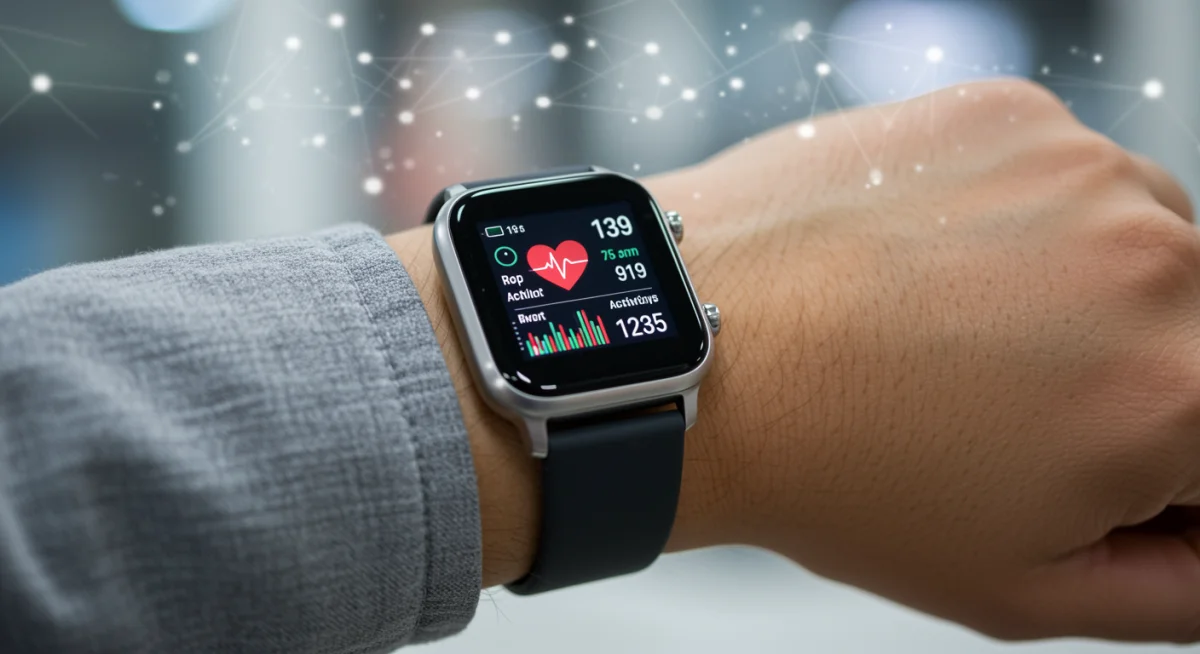
For example, a patient recovering from cardiac surgery could wear a device that continuously transmits heart rate, activity, and even ECG data directly to their care team. Algorithms can then flag any concerning trends, allowing for early intervention. This not only improves patient safety but also enhances convenience and reduces healthcare costs associated with hospital readmissions.
Secure Data Sharing and Privacy
As wearable data becomes more integrated into healthcare, ensuring robust data security and patient privacy will be paramount. Regulations like HIPAA in the US already govern health data, and wearable manufacturers and healthcare providers are implementing advanced encryption and cybersecurity measures to protect sensitive information. Trust in data privacy will be critical for widespread adoption.
- End-to-End Encryption: All data transmitted from wearables to cloud platforms and EHRs will be encrypted to prevent unauthorized access.
- Patient Consent Management: Granular control for patients to control who accesses their health data and for what purpose.
- Auditing and Compliance: Regular audits and adherence to evolving regulatory frameworks to ensure data integrity and privacy.
Without a strong commitment to data privacy, consumer trust will erode, hindering the potential of wearable technology to revolutionize health monitoring. Educating users about these measures is also critical for fostering confidence in the technology.
Preventive Care and Proactive Health Management
Perhaps the most transformative impact of wearable tech in health monitoring by 2026 will be its role in shifting the healthcare paradigm from reactive treatment to proactive prevention. Wearables will empower individuals to take a more active role in managing their own health, focusing on wellness and disease prevention rather than just illness management.
Behavioral Change and Habit Formation
Wearables excel at fostering behavioral change by providing immediate feedback and setting achievable goals. By tracking activity, sleep, and nutrition, these devices can highlight areas for improvement and offer personalized recommendations. This continuous feedback loop helps individuals build healthier habits and sustain them over time.
For example, a wearable might not only track your daily steps but also analyze your gait and posture, suggesting exercises to prevent future musculoskeletal issues. Or it could monitor your sleep quality and offer guided meditations or soundscapes to improve rest. This granular, actionable feedback is far more effective than general health advice, driving sustainable lifestyle changes.
Early Warning Systems for Chronic Conditions
For individuals at risk of chronic conditions such as type 2 diabetes, hypertension, or cardiovascular disease, wearables will serve as invaluable early warning systems. By continuously monitoring key biomarkers and identifying subtle deviations from healthy baselines, these devices can alert users and their healthcare providers to potential issues long before they become critical.
Imagine a wearable that detects pre-diabetic indicators through continuous glucose monitoring and activity patterns, prompting dietary and lifestyle adjustments to prevent the full onset of the disease. This proactive approach can significantly reduce the burden of chronic diseases on both individuals and the healthcare system, leading to better long-term health outcomes and reduced costs.
Mental Health and Stress Management
The scope of preventive care extends beyond physical health to encompass mental well-being. Wearables are increasingly incorporating features to monitor physiological indicators of stress, such as heart rate variability and skin conductance. These devices can then offer timely interventions, such as guided breathing exercises, mindfulness prompts, or suggestions for breaks.
By providing objective data on stress levels and offering tools for management, wearables empower individuals to take control of their mental health proactively. This is particularly crucial in a society where stress and anxiety are prevalent, offering an accessible and discreet way to support mental well-being and prevent more severe conditions from developing. The integration of mental and physical health monitoring is a holistic approach to wellness.
Ethical Considerations and Data Governance
As wearable tech becomes more intertwined with personal health, significant ethical considerations surrounding data privacy, security, and algorithmic bias come to the forefront. Addressing these concerns is paramount for widespread trust and adoption in the US market by 2026. Striking the right balance between innovation and protection is a complex, ongoing challenge.
Ensuring Data Privacy and Security
The sheer volume of sensitive health data collected by wearables necessitates robust privacy and security frameworks. Users must have clear control over their data, including who can access it, how it is used, and for what purpose. Companies developing wearable tech and healthcare providers integrating this data must adhere to the highest standards of cybersecurity and comply with evolving data protection regulations like HIPAA.
- Transparent Data Policies: Clear and easy-to-understand explanations of how data is collected, stored, and shared.
- Consent Mechanisms: Granular control for users to grant or revoke access to specific data types.
- Regular Security Audits: Continuous assessment and improvement of security protocols to guard against breaches.
Without a strong commitment to data privacy, consumer trust will erode, hindering the potential of wearable technology to revolutionize health monitoring. Educating users about these measures is also critical for fostering confidence in the technology.
Addressing Algorithmic Bias
AI and machine learning algorithms, while powerful, are only as unbiased as the data they are trained on. If training datasets lack diversity or contain inherent biases, the resulting health insights and recommendations could be inaccurate or even harmful for certain demographic groups. Ensuring algorithmic fairness is a critical ethical imperative.
Developers must actively work to create diverse and representative datasets for training AI models, and regularly audit algorithms for bias. This includes considering factors such as age, gender, ethnicity, and socioeconomic status to ensure that wearable tech provides equitable health monitoring for all users. The goal is to create inclusive technologies that benefit everyone, regardless of their background.
Regulatory Frameworks and Oversight
The rapid pace of innovation in wearable tech often outstrips the development of regulatory frameworks. Governments and regulatory bodies, such as the FDA in the US, are grappling with how to classify and oversee these devices, especially when they move from wellness tools to medical devices. Clear guidelines are needed to ensure product safety, efficacy, and responsible data handling.
Establishing clear regulatory pathways for different classes of wearables will provide clarity for manufacturers and ensure consumer protection. This includes defining when a device requires medical device approval versus a general wellness classification. Effective oversight will build public trust and ensure that wearable tech contributes positively to public health without compromising individual rights or safety.
The Economic Impact and Accessibility of Wearables
The proliferation of wearable tech for health monitoring in the US market by 2026 will have a substantial economic impact, influencing healthcare costs, insurance models, and job creation. Simultaneously, ensuring equitable access to these technologies across diverse socioeconomic groups will be a critical challenge and opportunity.
Cost Reduction and Efficiency in Healthcare
By shifting towards preventive care and enabling more efficient remote patient monitoring, wearable technology has the potential to significantly reduce healthcare costs. Early detection of diseases, better management of chronic conditions, and fewer hospital readmissions can lead to substantial savings for individuals, insurance companies, and the overall healthcare system. This efficiency gain is a major driver for adoption.
For instance, continuous monitoring of vital signs for post-operative patients at home can prevent complications that would otherwise require expensive hospital stays. Similarly, proactive interventions based on wearable data can reduce the need for costly emergency room visits for individuals with chronic illnesses. The long-term economic benefits of a healthier population are immense.
Insurance Incentives and Wellness Programs
Health insurance providers are increasingly recognizing the value of wearable tech in promoting wellness and reducing claims. By 2026, we can expect to see a greater integration of wearables into insurance models, with incentives for users who consistently engage with health monitoring devices and achieve wellness goals. This could include reduced premiums, rewards, or access to specialized programs.
- Premium Discounts: Insurers offering lower premiums for policyholders who share anonymized health data from wearables and meet certain activity targets.
- Wellness Challenges: Gamified programs integrated with wearables to encourage healthy habits, with rewards for participation.
- Personalized Health Plans: Insurance providers offering tailored health and wellness plans based on individual wearable data.
These incentives aim to encourage healthier lifestyles, ultimately benefiting both the insured and the insurer by fostering a healthier population. The financial motivation can be a powerful catalyst for widespread adoption of wearable health monitoring.
Addressing the Digital Divide and Accessibility
While the benefits of wearable tech are clear, ensuring equitable access remains a challenge. The digital divide, which reflects disparities in access to technology and internet connectivity, could exacerbate existing health inequalities. Efforts to make wearable devices affordable and accessible to all socioeconomic groups will be crucial.
Initiatives such as government subsidies for health-monitoring wearables, partnerships between tech companies and community health organizations, and the development of simpler, more affordable devices will be vital. The goal is to ensure that the transformative potential of wearable tech benefits everyone, not just those with disposable income. Inclusive design and distribution strategies are essential for broad public health impact.
Future Outlook and Emerging Innovations
Looking beyond 2026, the trajectory of wearable tech in health monitoring promises even more groundbreaking innovations. The convergence of various technologies will lead to devices that are more integrated, intelligent, and invisible, further blurring the lines between technology and the human body. This forward-looking perspective highlights the dynamic nature of this field.
Implantable and Ingestible Sensors
While not strictly ‘wearable’ in the traditional sense, the next wave of health monitoring could involve ingestible or even implantable sensors. These devices could provide even more intimate and accurate physiological data, continuously monitoring internal bodily functions with unprecedented precision. Such advancements would offer a new level of insight into health and disease.
For example, ingestible sensors could monitor gut health, nutrient absorption, or drug adherence, transmitting data wirelessly. Implantable sensors, potentially integrated with smart tattoos or microchips, could offer long-term monitoring of chronic conditions without the need for external devices. These innovations, while raising new ethical questions, represent the ultimate frontier in personalized health tracking.
Hyper-Personalized Medicine and Digital Twins
The ultimate vision for wearable tech, combined with AI and other advanced technologies, is the creation of ‘digital twins’ for each individual. A digital twin would be a dynamic, virtual replica of a person’s physiological state, continuously updated with data from wearables, medical records, and genetic information. This twin could then be used to simulate different treatment scenarios, predict disease progression, and optimize health strategies.
This hyper-personalized approach would allow for truly predictive and preventive medicine, where health interventions are tailored precisely to an individual’s unique biological makeup and lifestyle. The digital twin concept represents the pinnacle of personalized health, offering an unparalleled tool for managing well-being throughout life.
Therapeutic Wearables and Closed-Loop Systems
Beyond monitoring, wearables are evolving to become therapeutic devices themselves. Closed-loop systems, where a wearable monitors a physiological parameter and then automatically delivers a therapeutic intervention, are already emerging. This trend will accelerate, offering autonomous health management for various conditions.
An example is an insulin pump that automatically adjusts insulin delivery based on continuous glucose monitor readings. Future therapeutic wearables could include devices that deliver electroceutical treatments for pain, stimulate nerve pathways for neurological conditions, or administer precise drug dosages based on real-time biometric feedback. These intelligent, self-regulating systems represent a significant leap forward in chronic disease management and personalized therapy.
| Key Trend | Brief Description |
|---|---|
| Advanced Biometric Sensors | Miniaturized, highly accurate sensors for continuous, diverse physiological data beyond basic metrics. |
| AI-Driven Personalized Insights | AI and ML interpreting data for predictive analytics, personalized coaching, and integration with digital therapeutics. |
| Seamless Healthcare Integration | Standardized data protocols enabling robust remote patient monitoring and EHR integration. |
| Preventive & Proactive Health | Shifting focus from reactive treatment to proactive wellness, habit formation, and early disease prevention. |
Frequently Asked Questions About Wearable Health Tech
Wearable tech offers continuous, real-time health data, enabling early detection of issues, personalized health insights, and proactive management of chronic conditions. It empowers individuals to take a more active role in their well-being and facilitates remote patient monitoring for healthcare providers.
By 2026, AI will transform raw data into predictive analytics, identifying potential health risks before symptoms appear. It will offer highly personalized health coaching, tailored recommendations, and seamless integration with digital therapeutics to optimize individual health outcomes.
Data privacy is crucial for building trust and ensuring widespread adoption. Robust security measures, transparent data policies, and strong patient consent mechanisms are essential to protect sensitive health information and comply with regulations like HIPAA in the US market.
Ensuring equitable access is a significant challenge. Efforts are underway to address the digital divide through initiatives like government subsidies, partnerships, and the development of more affordable devices, aiming to make these transformative technologies available across all socioeconomic groups.
Wearables will shift healthcare from reactive treatment to proactive prevention by fostering behavioral change, providing early warning systems for chronic conditions, and offering tools for stress and mental health management. They empower users to adopt healthier lifestyles and detect issues early.
Conclusion
The trajectory of wearable technology in health monitoring within the US market by 2026 is one of profound growth and transformative potential. From advanced biometric sensors and AI-driven personalized insights to seamless integration with healthcare systems and a strong emphasis on preventive care, these innovations are collectively reshaping how we understand and manage our health. While challenges in data governance and accessibility remain, the overarching trend points towards a future where health monitoring is more personal, predictive, and pervasive, empowering individuals and revolutionizing healthcare delivery.